
Take care of 4b hair with gentle cleansing, steady moisture, low tension, careful detangling, and smart protective styling.
Learning how to take care of 4b hair starts with understanding its tight, springy curl pattern and its need for balance. With the right routine, products, and habits, 4b hair can stay soft, strong, healthy, and easy to manage without fighting its natural texture.
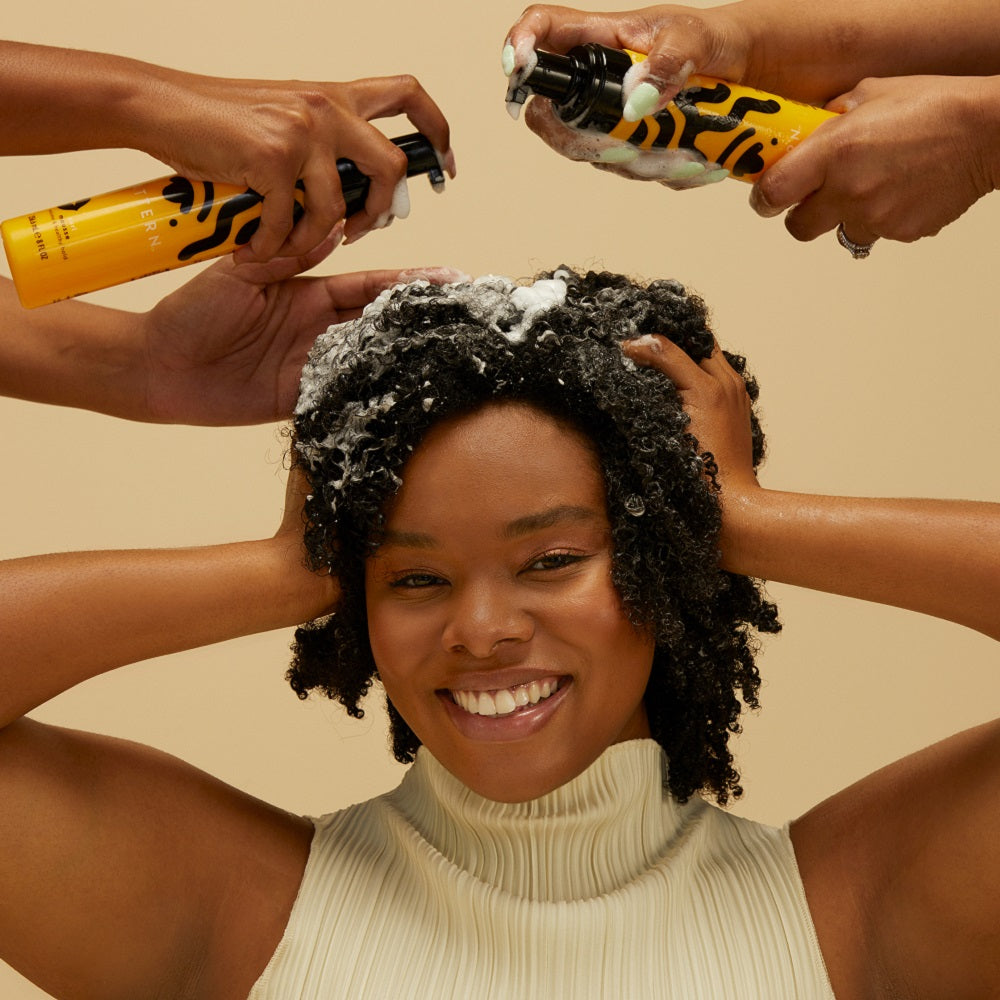
What makes 4b hair different?
Type 4b hair has tight curls, coils, or sharp bends. The curl pattern may look like small zigzags instead of clear ringlets. It can range from fine to thick and may include more than one texture on the same head.
The bends in 4b hair make it harder for natural scalp oils to travel down the hair shaft. As a result, the ends may feel dry even when the scalp is healthy. The bends can also create weak points where hair is more likely to tangle or break.
This does not mean 4b hair is naturally weak. It means 4b hair needs a gentle approach. Think of each strand like a winding path. Rough brushing, dry styling, and tight tension can damage that path over time.
Important traits of 4b hair include:
• High shrinkage, which can make hair look much shorter than its stretched length
• A strong need for moisture and regular conditioning
• Greater risk of single-strand knots and tangles
• Sensitivity to rough handling and frequent heat
• Different porosity levels across the same head
The best answer to how to take care of 4b hair is not one perfect product. It is a repeatable routine that protects moisture, reduces friction, and limits unnecessary stress.

How often should you wash 4b hair?
Many people with 4b hair wash every one to two weeks. The right schedule depends on your scalp, activity level, product use, and lifestyle. If you sweat often, use heavy products, or have scalp buildup, you may need to wash more often.
Washing too rarely can allow sweat, oil, dead skin, and styling products to collect on the scalp. Washing too often with a harsh shampoo can remove too much surface oil and leave the hair rough.
A simple wash day can follow these steps:
Divide the hair into four to eight sections.
Gently loosen large tangles with your fingers.
Wet the hair with warm water, not very hot water.
Apply shampoo mainly to the scalp.
Let the suds move down the hair as you rinse.
Follow with a rich conditioner.
Detangle while the conditioner is still in the hair.
Rinse with cool or lukewarm water.
Choose a gentle shampoo that cleans the scalp without leaving the hair squeaky or stiff. A clarifying shampoo can help remove heavy buildup, but use it only when needed. For many people, once every four to six weeks is enough.
If you have itching, painful bumps, thick flakes, or sudden shedding, see a dermatologist. Hair care cannot treat every scalp condition, and delaying medical care may make the problem worse.

Build a moisture routine for 4b hair
Moisture is central to learning how to take care of 4b hair. However, moisture does not mean adding oil alone. Water is the main source of hydration, while conditioners and creams help the hair hold and manage that moisture.
A useful routine is the LCO or LOC method:
• Liquid: Apply water or a water-based leave-in conditioner.
• Cream: Add a cream or butter to soften and define the hair.
• Oil: Use a small amount of oil to reduce moisture loss and add shine.
Some people prefer LCO because cream goes on before oil. Others prefer LOC because oil is applied between the liquid and cream. Neither method is always better. Test one method on a small section and watch how your hair feels over the next few days.
Signs your hair may need more moisture include:
• A dry or rough feel
• Excessive tangling
• Dull-looking strands
• More breakage during styling
• Ends that feel brittle
Use small amounts of product. Too much butter, oil, or gel can create buildup and make the hair harder to cleanse. Heavy products may also hide dryness instead of solving it.
A helpful personal lesson many people learn is that oil can make hair feel smooth without actually adding water. If your hair feels dry beneath a layer of oil, start with water or a water-based product before applying oil.

Detangle 4b hair without causing breakage
Detangling is one of the most important parts of how to take care of 4b hair. Dry, rushed detangling can turn a normal wash day into a battle and may remove healthy strands along with shed hair.
Start with damp or wet hair and apply conditioner with good slip. Slip helps the fingers or comb move through the hair with less pulling. Work in small sections from the ends toward the roots.
Use your fingers first. This lets you feel knots before they tighten. After finger detangling, use a wide-tooth comb or a flexible detangling brush if you prefer.
Follow these habits:
• Detangle one section at a time.
• Hold the hair near the roots to reduce pulling on the scalp.
• Work from the ends upward.
• Never force a comb through a tight knot.
• Add more conditioner when the hair feels dry.
• Twist or braid each finished section to prevent retangling.
Some shedding during wash day is normal. Hair naturally sheds each day, but the strands may remain trapped in tightly coiled hair until you wash or detangle it. Large clumps, bald patches, or a sudden change in shedding need professional evaluation.
Do not use a small brush to repeatedly smooth the edges. Edge control may create a sleek look, but frequent brushing and tight styling can weaken the hairline.

Choose products that support healthy 4b hair
Good products should make your routine easier, not create more work. The best products for 4b hair usually provide cleansing, slip, moisture, and light hold without causing heavy buildup.
Look for these product types:
Gentle shampoo
A mild shampoo can clean the scalp while preserving comfort. If your scalp is oily or your hair holds a lot of gel, you may need a stronger cleanser at times.
Rinse-out conditioner
A rich conditioner helps soften the hair and reduce friction during detangling. Let it sit for a few minutes before you begin to comb through the sections.
Leave-in conditioner
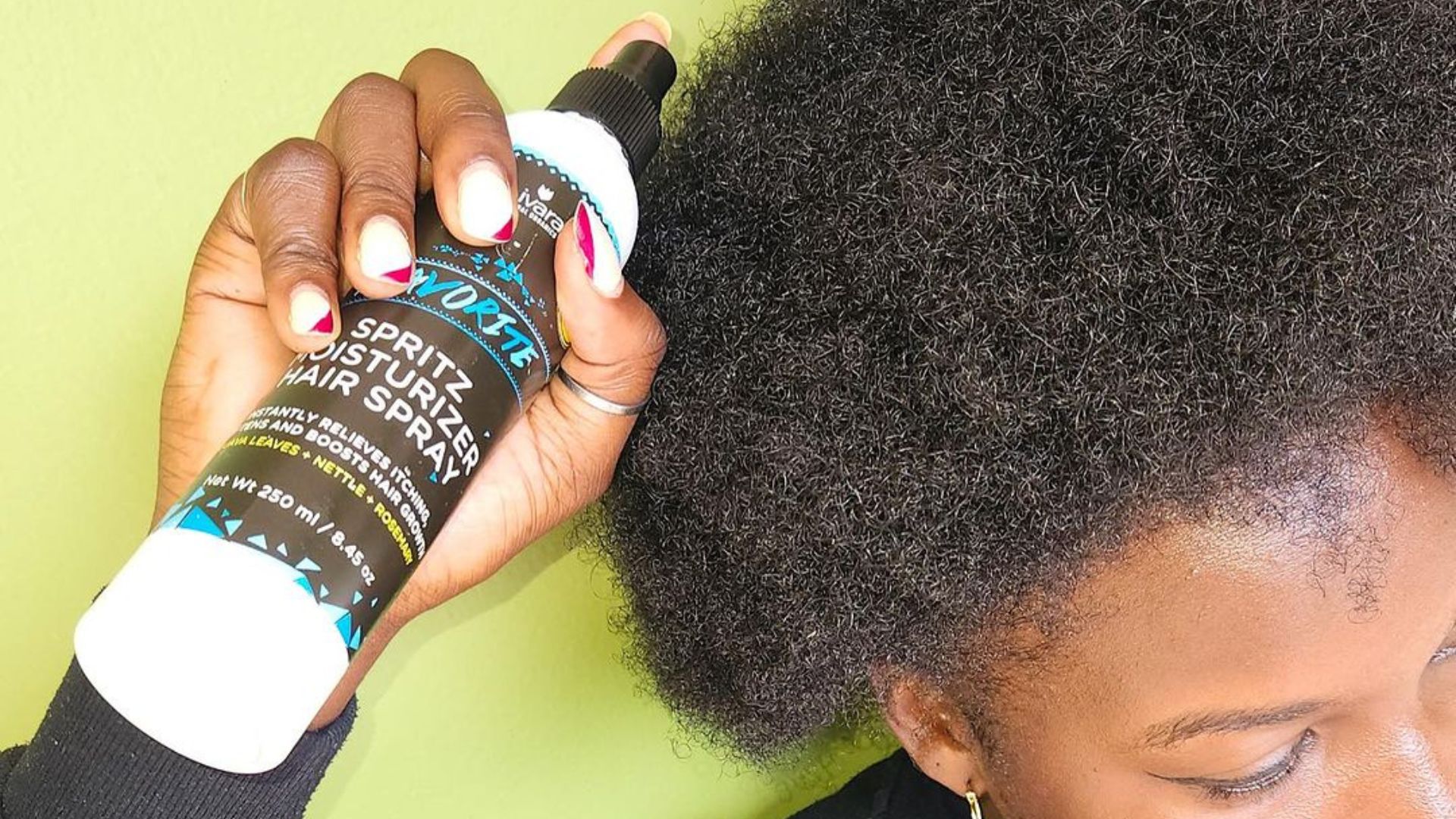
A leave-in can help reduce dryness between wash days. Choose a water-based formula if your hair feels dry or coated by heavy creams.
Styling cream or gel
A cream can support twists, braids, and wash-and-go styles. Gel can add hold, but too much may cause flakes or stiffness.
Light oil
Oil can help reduce friction and seal in moisture. Use a small amount on the ends rather than soaking the entire scalp and hair.
Ingredients matter, but the full formula matters more than one ingredient. Coconut oil works well for some people and makes others feel stiff. Protein treatments may strengthen damaged hair, but too much protein can make hair feel hard. Pay attention to how your hair responds.
Avoid products that cause burning, swelling, rash, or intense itching. “Natural” does not always mean risk-free. Fragrance and essential oils can irritate sensitive skin.

Use deep conditioning and protein treatments wisely
Deep conditioning can improve softness, manageability, and detangling. It does not permanently repair split ends, but it can make the hair feel smoother and easier to handle.
Deep condition after shampooing when your hair feels dry, rough, or difficult to detangle. Apply the product in sections, cover the hair if desired, and follow the product directions. Heat may help some conditioners spread and work more easily, but high heat is not required.
Protein treatments are different. They can temporarily support hair that feels weak, overly stretchy, or damaged by chemical processing. Use them only as needed, since frequent protein use may leave some hair stiff or brittle.
A balanced routine may include:
• Deep conditioning every one to four weeks
• Protein treatments only when your hair shows signs of weakness
• Regular trimming when ends split or catch on clothing
• Less manipulation between wash days
Split ends cannot fuse back together. Trimming removes the damaged part and may help prevent splits from traveling farther up the strand.

Protect 4b hair while you sleep
Night care has a major effect on how to take care of 4b hair. Cotton pillowcases can absorb moisture and create friction. That friction may cause frizz, tangles, and breakage.
Use one of these options:
• A satin or silk bonnet
• A satin or silk pillowcase
• A satin-lined sleep cap
Before bed, place the hair in loose twists, braids, or a gentle pineapple if the style allows it. Do not tie the hair so tightly that your scalp feels sore.
Clean your bonnet and pillowcase often. A dirty covering can collect product, sweat, and skin oils. If your bonnet slips off, a satin pillowcase provides a useful backup.
A small bedtime habit can save a great deal of time on wash day. It is much easier to refresh stretched, protected hair than to untangle hair that rubbed against cotton all night.

Choose protective styles carefully
Protective styles can reduce daily manipulation, but they are not automatically protective. Braids, twists, cornrows, wigs, and extensions can cause damage when they are too tight, too heavy, or left in for too long.
A safe protective style should feel comfortable from the start. Pain, headaches, bumps, or tight skin are warning signs, not signs that the style will “loosen up.”
Use these guidelines:
• Keep the style loose around the hairline.
• Avoid adding excessive extension hair.
• Give your scalp regular breaks.
• Keep the scalp clean and moisturized without creating buildup.
• Do not leave a style in longer than your hair and scalp can tolerate.
• Remove the style gently and allow the hair to rest before installing another one.
Wigs can protect the hair, but friction from wig caps and adhesives may affect the edges. Use a smooth, breathable cap and avoid placing glue on fragile hair or irritated skin.
Protective styling should reduce handling, not hide damage. If your edges are thinning or your scalp hurts, stop the style and reassess the tension.
Limit heat and chemical damage
Heat styling and chemical services can be part of a healthy hair routine when used carefully. The problem is repeated, high-intensity exposure without enough conditioning or recovery time.
For blow-drying, use low or medium heat and keep the dryer moving. A heat protectant can reduce some damage, but it cannot make unlimited heat safe. Flat irons should be used on fully dry hair and at the lowest temperature that gives the desired result.
Relaxers and color treatments change the structure of the hair. Follow the instructions carefully, avoid overlapping relaxer onto previously treated hair, and use a trained professional when possible.
Common signs of heat or chemical damage include:
• Hair that no longer returns to its usual curl pattern
• Rough or frayed ends
• Increased breakage
• Excessive dryness
• Hair that feels weak when wet
If damage occurs, focus on gentle handling, conditioning, trims, and reduced chemical or heat use. No product can restore a broken strand to its original condition.
Create a simple weekly 4b hair routine
A routine works best when it fits your real life. You do not need ten products or a full styling day every week. Consistency matters more than complexity.
Here is a basic example:
Wash day
Cleanse the scalp, condition the hair, detangle in sections, and apply a leave-in product. Finish with twists, braids, or another low-manipulation style.
Midweek care
Check the hair before adding more product. If it feels dry, lightly mist it with water and apply a small amount of leave-in conditioner or cream.
Night care
Cover the hair with satin or sleep on a satin pillowcase. Keep twists or braids loose and comfortable.
Monthly care
Clarify if you notice buildup, inspect the ends, and review whether your products or styling habits are causing dryness.
Keep a simple hair journal if you are unsure what works. Note the products used, wash date, styling method, and how the hair felt after several days. This can reveal patterns that are easy to miss.
The best way to take care of 4b hair is to observe it rather than force it. Your hair may need more water in winter, less heavy product in humid weather, or more frequent washing after exercise.
Common mistakes to avoid with 4b hair
Even a good routine can fail when small habits create repeated stress. Avoiding these mistakes can improve length retention and comfort.
• Detangling dry hair with force
• Washing with very hot water
• Using oil as a replacement for water
• Applying too much product between wash days
• Wearing tight ponytails or braids
• Ignoring scalp pain or irritation
• Keeping extensions in for too long
• Using high heat without protection
• Skipping trims when ends are splitting
• Changing products before giving a routine time to work
Hair growth begins at the follicle, but length retention depends on how you treat the hair after it grows. The average scalp hair growth rate is often estimated near half an inch per month, though it varies by person. Gentle care helps you keep more of the length you naturally produce.
There is no need to compare your hair to someone else’s. Genetics, density, porosity, climate, health, and styling history all affect results.
When to seek professional hair or scalp care
Some concerns need more than a new conditioner. See a dermatologist or qualified medical professional if you notice sudden hair loss, circular bald spots, painful scalp bumps, severe itching, thick scaling, or persistent redness.
Traction alopecia can develop when tight styles repeatedly pull on the hairline. Early attention matters because continued tension may cause lasting loss. A stylist can help reduce tension, but medical advice is important when thinning continues.
You should also seek care if your hair changes after starting a medication, experiencing major illness, losing weight quickly, or going through intense stress. Hair concerns can sometimes reflect an issue beyond hair products.
A professional cannot promise instant growth, and no single oil or supplement works for everyone. Be cautious with products that guarantee dramatic results or ask you to avoid proven medical care.
Frequently Asked Questions About How to Take Care of 4b Hair
How often should you wash 4b hair?
Most people can start with washing every one to two weeks, then adjust based on scalp oil, sweat, buildup, and dryness. Wash more often when the scalp feels dirty or irritated.
What is the best moisturizer for 4b hair?
A water-based leave-in conditioner is a useful starting point because water provides hydration. Add a cream or a small amount of oil if your hair needs more softness or reduced friction.
Should you detangle 4b hair wet or dry?
Detangle 4b hair when it is damp or wet and coated with conditioner. The added slip helps reduce pulling, knots, and breakage.
Is protective styling good for 4b hair?
Protective styling can reduce daily handling when it is loose, light, and comfortable. Tight braids, heavy extensions, and long-term tension can damage the edges and scalp.
How can you prevent 4b hair from breaking?
Use regular conditioning, detangle in sections, protect the hair at night, reduce high heat, and avoid tight styles. Handle the ends gently because they are the oldest and most fragile part of the hair.
Can 4b hair grow long?
Yes, 4b hair can grow long. Shrinkage may hide its length, while breakage can make growth less visible, so gentle care and length retention are key.
How often should you deep condition 4b hair?
Many people deep condition every one to four weeks, depending on dryness and styling habits. Adjust the schedule if the hair feels coated, stiff, or weighed down.
Conclusion
Healthy 4b hair care is built on simple habits: cleanse the scalp, add water-based moisture, condition often enough, detangle gently, protect the ends, and avoid painful tension. The right routine may take a little testing, but your hair will usually show you what it needs.
Start with one small change this week, such as sleeping with satin, washing in sections, or using more conditioner during detangling. Stay patient, track what works, and explore more trusted hair-care resources as you build a routine that fits your life.
