
The best eyebrow pencil matches your brow color, suits your skin type, and gives you the level of control you need. Start with a shade close to your natural brow hair, then choose a tip and formula based on whether you want to fill gaps, draw hair-like strokes, or add soft shape.
For most people in the United States, a slim, buildable pencil with a spoolie brush is the easiest place to start. It lets you add a little color at a time and soften the result before it looks too bold.

Choose the Right Eyebrow Pencil Type
Eyebrow pencils come in several shapes and formulas. The right one depends on the look you want and how much control you need.
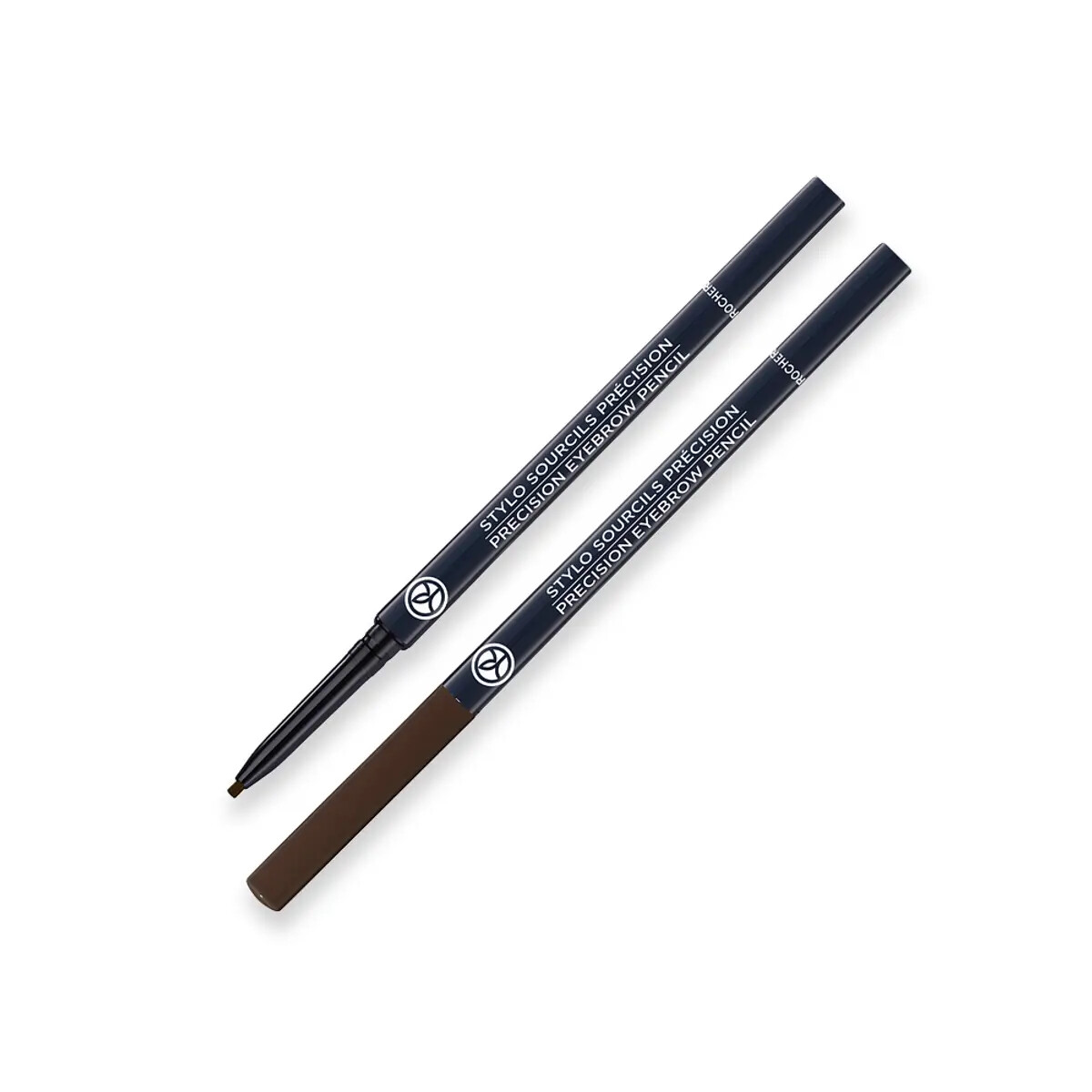
Slim or micro-tip pencil
A slim pencil has a fine point. It works well for:
- Filling small gaps
- Drawing short, hair-like lines
- Defining the brow tail
- Creating a neat lower edge
- Making small changes to the brow shape
Choose this type if your brows are sparse or if you prefer a natural look. It takes more time than a thick pencil, but it gives you better control.
Thick or angled pencil
A thicker pencil covers more area with each stroke. It can help if your brows are full but need more color or shape.
An angled tip may work well for:
- Filling wide gaps
- Adding quick color
- Shaping the bottom of the brow
- Creating a soft, fuller brow
Use light pressure. A thick tip can make the front of the brow look heavy if you press too hard.
Retractable pencil
A retractable pencil twists up and does not need a sharpener. It is useful for travel and quick touch-ups.
The trade-off is that some retractable tips are soft. They may break if you twist up too much or press hard. Keep only a small amount of product exposed.
Wood pencil
A traditional wood pencil needs sharpening. Its tip can become very fine, which helps with detail work.
A sharpener made for cosmetic pencils is best. A school pencil sharpener may damage the product or leave a rough tip.
Powder or wax pencil
Some pencils have a dry, powder-like feel. Others contain wax that helps color stick to the brow hair.
A powder-like pencil often gives a soft finish. A waxy pencil may last longer on oily skin, but it can look strong if you layer too much.
Best starting choice: Choose a slim or medium pencil with a spoolie brush and a buildable formula. This gives you more room to correct mistakes.
How to Pick the Best Eyebrow Pencil Color
Color is often the hardest part of choosing an eyebrow pencil. The shade should support your natural coloring, not create a hard block above your eyes.
Start by comparing the pencil with your brow hair, not only with the hair on your head. Brow hair may be warmer, cooler, darker, or lighter than the hair on your scalp.
Use these basic shade rules
| Natural brow color | Good starting shade |
|---|---|
| Blonde or light brown | Taupe, soft blonde, or light brown |
| Medium brown | Neutral brown or medium brown |
| Dark brown | Deep brown, espresso, or soft black-brown |
| Black | Soft black or very deep cool brown |
| Red or auburn | Warm brown, auburn, or soft terracotta-brown |
| Gray or silver | Taupe, ash brown, or cool gray-brown |
These are starting points, not fixed rules. Brand shades vary, and the same name can look different on different skin tones.
If your hair is very dark
A true black eyebrow pencil can look sharp and flat. A deep brown or black-brown often gives a softer result.
If your natural brows are black and you want a bold look, soft black may work. Apply it with short strokes and brush through the color.
If your hair is blonde
Very dark brown can make light brows look drawn on. Taupe or a muted light brown may blend better.
If your blonde hair has a warm tone, a warm beige-brown may work. If it is ash blonde, try a cooler taupe.
If your hair is red
Look for a brown with a warm base. A plain orange shade may look unnatural, while a very cool gray-brown can make the brows appear dull.
Test the pencil in daylight when possible. Indoor lights can hide orange or red tones.
If you color your hair
Match the pencil to your brows first. You can then move slightly warmer or cooler if you want the brows to blend with your new hair color.
For a bold hair color, such as blue or copper, you do not need an exact match. A neutral brow shade often keeps the face balanced.
A useful shade test
Draw a short line on clean skin near the brow. Wait a few minutes, then check it in:
- Natural daylight
- Indoor light
- A mirror held at a normal distance
The color should look soft after you brush it through. If the line stays stark, the shade may be too dark, too warm, or too cool.

Match the Pencil to Your Skin Undertone
Your skin undertone can affect how an eyebrow pencil looks. Undertone means the subtle tone beneath the surface of your skin. The main groups are warm, cool, and neutral.
A warm undertone may suit golden, honey, or reddish browns. A cool undertone may suit ash, taupe, or gray-brown shades. Neutral undertones can often wear either, but a balanced brown is usually a safe choice.
Do not force a cool shade just because your skin is fair. Do not choose a warm shade only because your skin is deep. Brow hair, skin tone, and personal style all affect the result.
The main goal is balance. A pencil that looks slightly soft and muted is often easier to wear than one with a strong red or gray cast.

Pick a Formula for Your Skin Type and Daily Needs
The best eyebrow pencil formula depends on oil, sweat, weather, and how long you need the makeup to last.
For oily skin
Choose a firm, less creamy pencil. It is less likely to spread or become shiny.
A waterproof or water-resistant formula may help during humid weather or long workdays. However, “waterproof” claims differ by product. Read the label and follow the removal directions.
For dry skin
A softer pencil may glide more easily. Avoid pressing hard, since this can make the color too dark.
Brush the brow before and after applying color. This spreads the product and helps prevent a dry, patchy look.
For sparse brows
Choose a fine tip and a buildable formula. Use short strokes in the same general direction as your brow hair.
Do not fill the whole brow with equal pressure. Natural brows usually look lighter at the front and more defined toward the arch and tail.
For thick brows
You may need only a few strokes. A medium or angled tip can add shape without covering the natural hair.
A tinted brow gel may be a better choice if your brows already have enough fullness but need hold. A pencil is most useful for gaps and uneven areas.
For long wear
Look for a formula described as long-wear, water-resistant, or transfer-resistant. These terms can help you narrow your choices, but they do not guarantee perfect wear for every person.
Sweat, skin oil, rubbing, sunscreen, and face products can all change wear time. Test the pencil during a normal day before relying on it for an event.

Look for the Features That Matter
A good eyebrow pencil does not need many features. Focus on the ones that improve control and hygiene.
A spoolie brush
A spoolie is a small brush that looks like a clean mascara wand. It helps blend pencil through the brow hair.
A spoolie is especially useful when:
- The front of the brow looks too dark
- The pencil leaves a hard line
- You used more product than planned
- You want the hairs to look separated
A clear ingredient and shade label
Cosmetic products sold in the United States must follow U.S. labeling rules. The label should help you identify the product, its ingredients, and the business responsible for it.
The U.S. Food and Drug Administration explains that cosmetic labels should not be false or misleading. FDA also states that most cosmetics do not need premarket approval, apart from certain color additives and some products regulated as drugs.
That means a familiar package or a “clean” claim is not proof that a product will suit your skin. Read the label and pay attention to how your skin reacts.
A secure cap
A tight cap helps keep the tip clean and prevents the product from drying out. This matters more with soft pencils.
A suitable sharpener
If the pencil needs sharpening, use a cosmetic sharpener that fits its size. Clean the sharpener from time to time and replace it if the blade becomes dull.

How to Test an Eyebrow Pencil Before Buying
A short test can prevent the most common buying mistakes.
- Check the shade in daylight. Store lighting can change the way brown, gray, and red tones appear.
- Test the pencil with light pressure. You should be able to make a soft line without digging into the skin.
- Brush through the mark. The color should blend instead of breaking into flakes or harsh blocks.
- Wait several minutes. Some formulas darken slightly as they set.
- Check transfer. Touch the area lightly only if the product label allows it and the product has set.
- Try the tip shape. Make both a thin line and a wider stroke. Choose the pencil that gives you useful control.
- Check the return policy. U.S. retailers have different rules for opened cosmetics, so review the policy before buying.
Do not test a cosmetic on broken, irritated, or infected skin. If a tester looks dirty or has been used directly by many shoppers, choose a sealed product instead.
How to Apply the Pencil After You Choose It
The application method can matter as much as the pencil itself.
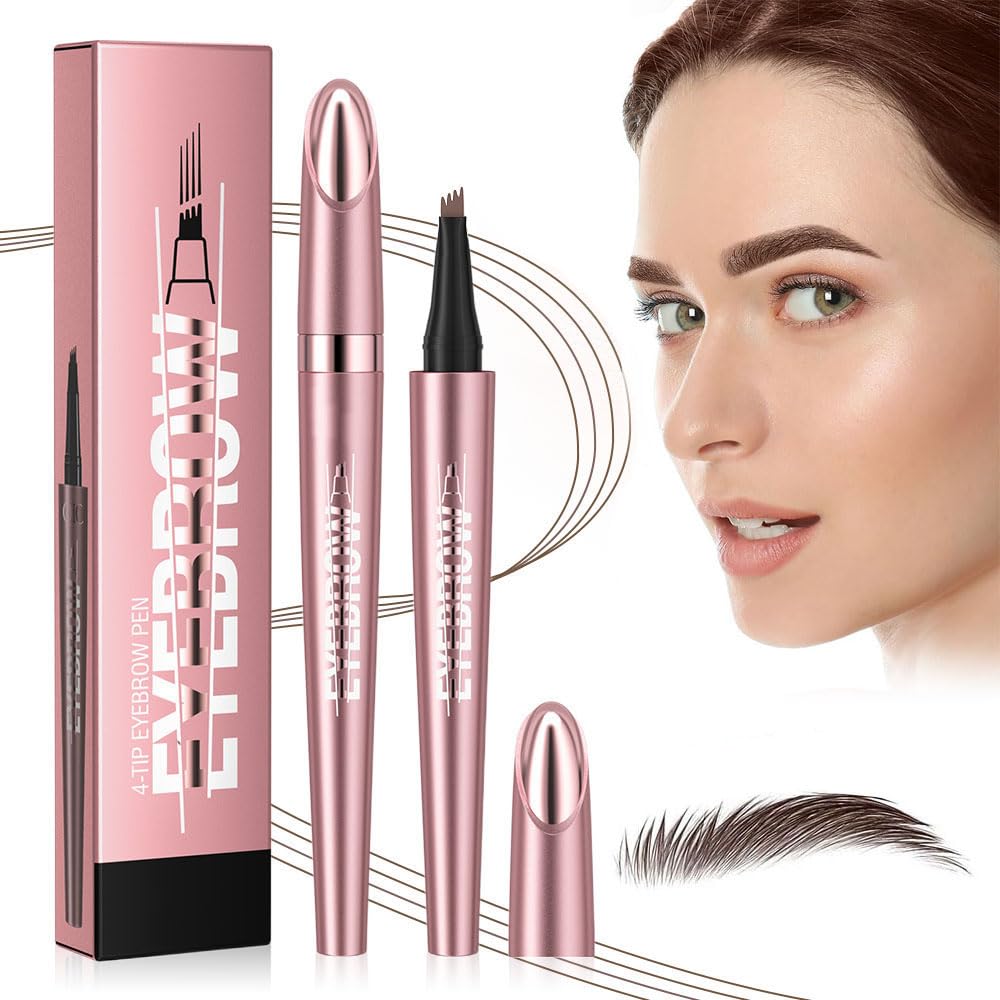
- Brush the brow hairs upward and outward with the spoolie.
- Find the main brow points: the front, arch, and tail.
- Use short strokes in the direction of hair growth.
- Add more color only where gaps remain.
- Keep the inner front lighter than the middle and tail.
- Brush through the brow again.
- Clean the edges with a cotton swab or a small amount of makeup remover if needed.
A common mistake is to draw one long line along the entire brow. Short strokes usually look softer and give you more control.
Signs you picked the right pencil
The pencil is likely a good fit if:
- The shade blends with your brow hair
- You can build color slowly
- The tip does not drag or crumble
- The brow still looks like hair is present
- The product stays in place for your normal day
- Your skin feels comfortable after use
What to do if the result looks wrong
If the brows look too dark, brush through them with a clean spoolie. You can also soften the front with a cotton swab.
If the color looks orange, choose a cooler shade next time. If it looks gray or dull, try a warmer brown.
If the pencil smears, use less product and start with clean, dry skin. Skin care, sunscreen, and foundation under the brow can affect grip.
If the pencil skips, the tip may be too hard, the skin may be damp, or the product may be old. Warm the tip briefly on the back of your hand, but do not heat it with a flame or other device.

Avoid These Common Eyebrow Pencil Mistakes
Choosing a shade that is too dark
Dark color is hard to soften. If you are between two shades, the lighter option is often easier to build.
Matching the pencil to dyed hair only
Your brows may not match your new hair color. Start with the brow hair, then adjust slightly for the overall look.
Filling the front with the same force
This can make the brows look like two solid marks. Use less pressure at the front and more definition near the tail.
Pressing too hard
Pressure affects both color and shape. Light strokes give you time to correct the design.
Ignoring the formula
A soft pencil may move on oily skin. A very firm pencil may drag on dry skin. Choose based on your skin and the conditions where you will wear it.
Using an old or contaminated pencil
The FDA advises consumers to avoid sharing eye cosmetics and to stop using products that cause irritation. Although an eyebrow pencil is not the same as mascara, it is still used close to the eyes. Keep the cap closed, avoid applying it to broken skin, and do not share it.
If you develop redness, swelling, itching, pain, or a rash, stop using the product. Seek medical care for severe symptoms, vision changes, eye pain, or symptoms that do not improve.

How Much Should You Spend on an Eyebrow Pencil?
Price does not tell you whether a pencil will match your brows or suit your skin. A less expensive pencil can work well if it has the right shade, tip, and formula.
Spend more only when a feature matters to you, such as:
- A shade range that includes your undertone
- A fine tip that is hard to find
- A formula that lasts through your workday
- A built-in spoolie
- A refill system or packaging you prefer
The best value is a pencil you can control and use often. A low-cost pencil that smears may cost more in time and replacement products than a simple pencil that works well.

Quick Decision Guide
Choose a slim pencil if you need hair-like strokes or have sparse brows.
Choose a medium or angled pencil if you want fast, soft filling.
Choose a firm formula if your skin is oily or you live in a hot, humid area.
Choose a soft formula if your skin is dry or the pencil tends to drag.
Choose a taupe or ash brown if warm shades look orange on you.
Choose a warm brown if cool shades make your brows look gray.
Choose a soft black-brown instead of true black if you want dark brows with a softer finish.
For a first purchase, select a buildable pencil with a spoolie in a shade close to your natural brow hair.

FAQs About Choosing an Eyebrow Pencil
Should an eyebrow pencil be lighter or darker than your hair?
It depends on your natural coloring and the look you want. A shade close to your brow hair is the safest start. People with very dark hair often prefer deep brown or black-brown instead of solid black, while people with light hair may prefer taupe or light brown.
Is pencil or brow powder better?
Pencil gives more control and can draw hair-like strokes. Powder gives a softer, shaded effect and may work well for fuller brows. Some people use pencil for gaps and powder for gentle fullness.
Can I use an eyeliner pencil on my eyebrows?
You can, but it may not perform the same way. Eyeliner may be softer, darker, or more likely to smudge. A product made for brows is usually easier to control and blend.
How often should I sharpen an eyebrow pencil?
Sharpen a wood pencil when the point becomes blunt or hard to control. Use a clean cosmetic sharpener. Do not sharpen so much that you waste product or create a fragile tip.
Can eyebrow pencils cause skin irritation?
Yes. Any cosmetic can irritate some people. Stop using the pencil if you notice itching, burning, redness, swelling, or a rash. Do not use it on broken skin, and seek medical help for severe or persistent symptoms.
Final Recommendation
To pick an eyebrow pencil, match the shade to your brow hair, choose a tip that fits your desired level of detail, and select a formula that suits your skin and daily conditions. A slim, buildable pencil with a spoolie is the most flexible choice for beginners.
Test the shade in daylight, apply with short strokes, and buy from a retailer with a clear return policy. Start with less product than you think you need; adding color is easier than removing it.
