
A good skincare product suits your skin, uses safe ingredients, and delivers steady results without irritation.
Knowing how to know if a skincare product is good takes more than reading a trendy label or trusting a viral review. The best choice depends on your skin type, the product’s ingredients, its safety record, and how your skin responds over time. This guide brings together dermatology-based advice, practical testing steps, and simple signs that help you shop with confidence.
How to Know if a Skincare Product Is Good at a Glance
The easiest way to judge a skincare product is to ask four questions:
- Is it made for your skin type and concern?
- Does it contain useful, well-studied ingredients?
- Is the packaging clear, safe, and honest?
- Does your skin improve without burning, swelling, or lasting redness?
A good product does not need to be expensive. It also does not need a long ingredient list. A simple moisturizer with glycerin and ceramides may help your skin more than a luxury cream filled with fragrance and vague claims.
When learning how to know if a skincare product is good, remember that results take time. A cleanser may feel comfortable at once, but a product for dark spots, acne, or fine lines may need several weeks of regular use.
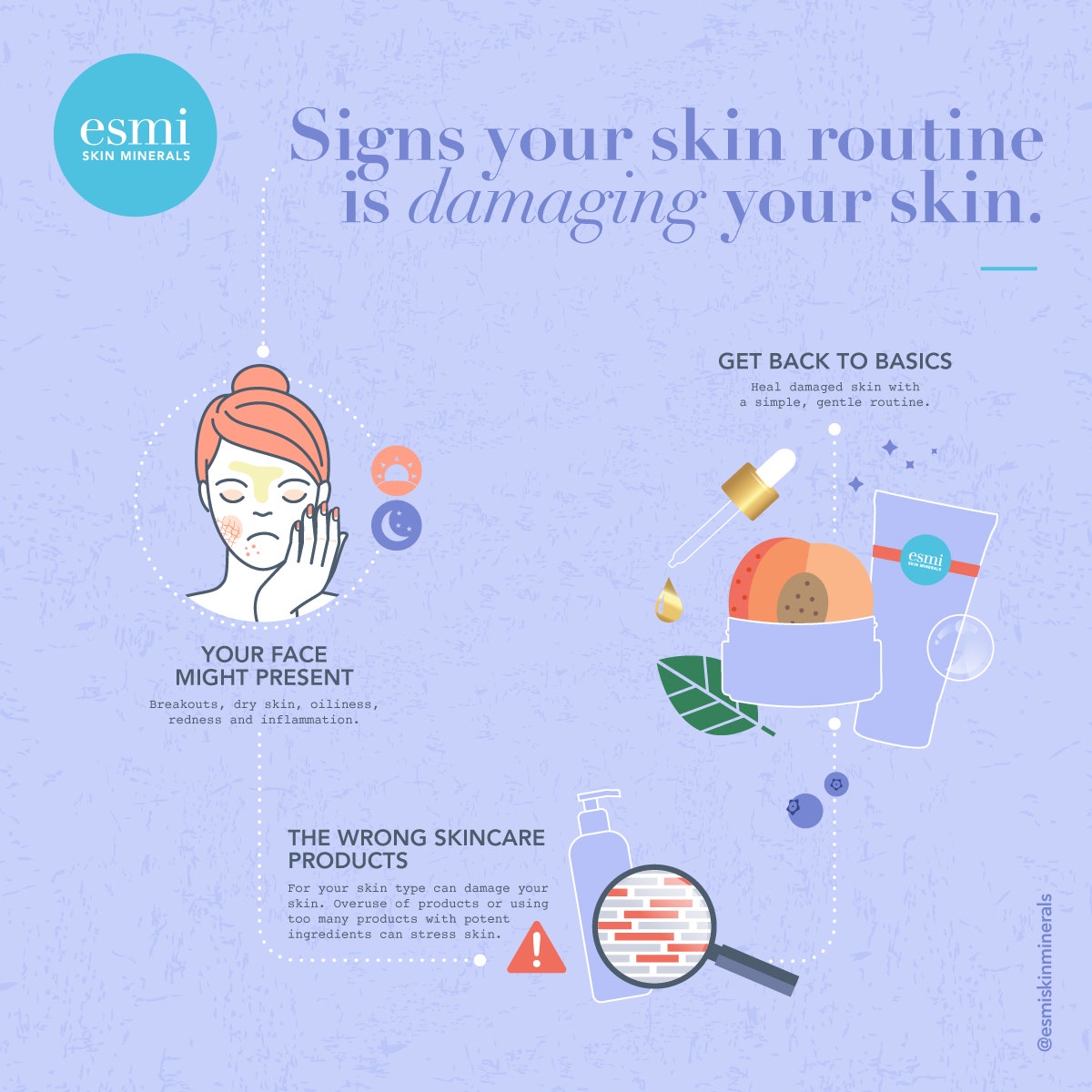
Start With Your Skin Type and Main Concern
Your skin gives you useful clues. It may feel tight after washing, become oily by midday, or react to new products with stinging and bumps. These signs can help you choose products that support your skin instead of fighting it.
Common skin types include:
• Dry skin often feels tight, rough, or flaky. Look for creams, oils, glycerin, hyaluronic acid, petrolatum, and ceramides.
• Oily skin may look shiny and develop clogged pores. Lightweight lotions, gels, niacinamide, and noncomedogenic formulas may work well.
• Combination skin has both oily and dry areas. You may need a light product on the whole face and extra moisture on dry spots.
• Sensitive skin may sting, burn, itch, or turn red easily. Choose simple, fragrance-free products and introduce them slowly.
• Normal skin is usually balanced but can still become dry, oily, or sensitive when the weather or routine changes.
Your main goal matters, too. A product for acne is not judged in the same way as a sunscreen or a moisturizer. The question is not only whether a product is “good.” It is whether it is good for your specific need.

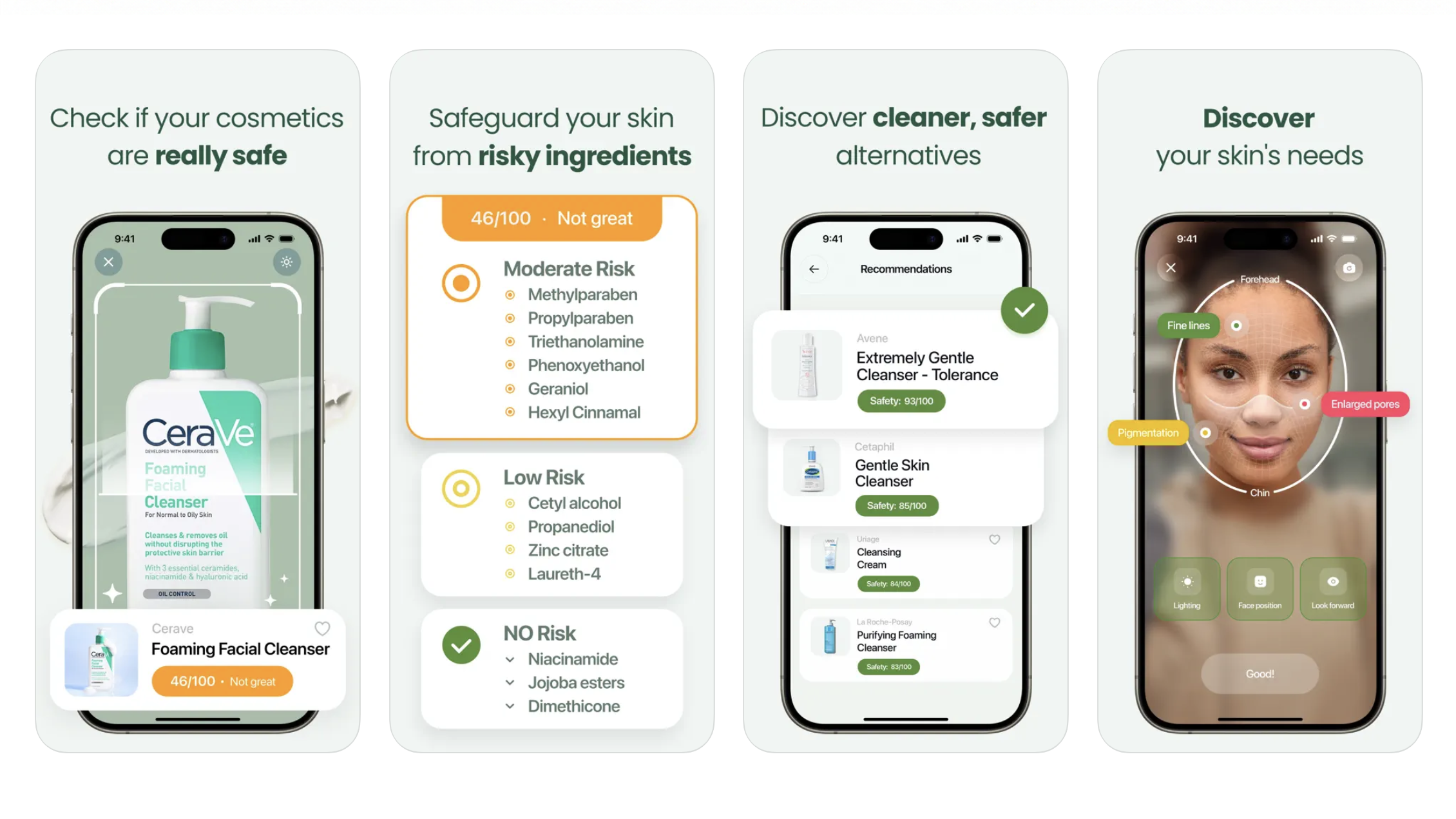
Read the Ingredient List, Not Just the Front Label
The front of a package is marketing. The ingredient list gives you more useful information. Ingredients appear in order of concentration, although some ingredients used in small amounts can appear near the end.
Helpful ingredients include:
• Glycerin and hyaluronic acid help attract water to the skin.
• Ceramides and fatty acids help support the skin barrier.
• Petrolatum reduces water loss and can protect very dry skin.
• Niacinamide may help with oil control, uneven tone, and barrier support.
• Salicylic acid can help clear oil and dead cells from clogged pores.
• Benzoyl peroxide can reduce acne-causing bacteria and inflammation.
• Retinoids may improve acne and signs of skin aging, but they can cause irritation.
• Vitamin C may help brighten uneven tone, though formulas vary in stability.
• Zinc oxide and titanium dioxide provide mineral sun protection.
An ingredient can be useful and still cause problems for some people. For example, exfoliating acids may smooth rough skin, but using them too often can damage the skin barrier. Fragrance, essential oils, and strong alcohols can also bother sensitive skin, though not everyone will react to them.
If you want to know how to know if a skincare product is good, look for clear ingredient names and realistic claims. Be cautious with phrases such as “detox,” “chemical-free,” “instant lift,” or “miracle cure.” Everything is made of chemicals, including water. Good skincare labels explain what a product does without promising the impossible.
Check the Product’s Purpose and Claims
A good product claim should be specific. “Helps reduce the look of dry skin” is more realistic than “rebuilds your skin in one day.” Products that claim to treat a disease or change body structure may be regulated differently from ordinary cosmetics.
Look for claims that match the product type:
• A cleanser should remove dirt, oil, sunscreen, or makeup without leaving severe tightness.
• A moisturizer should reduce dryness and support comfort.
• A sunscreen should offer broad-spectrum protection and show a sun protection factor, or SPF, on the label.
• An acne treatment should list recognized active ingredients and directions for use.
• A serum should explain the concern it targets, such as hydration, uneven tone, or fine lines.
Do not assume that “natural” means safer. Poison ivy is natural, but it can cause a severe rash. Likewise, a synthetic ingredient is not automatically harmful. Safety depends on the ingredient, amount, formula, skin condition, and how you use it.
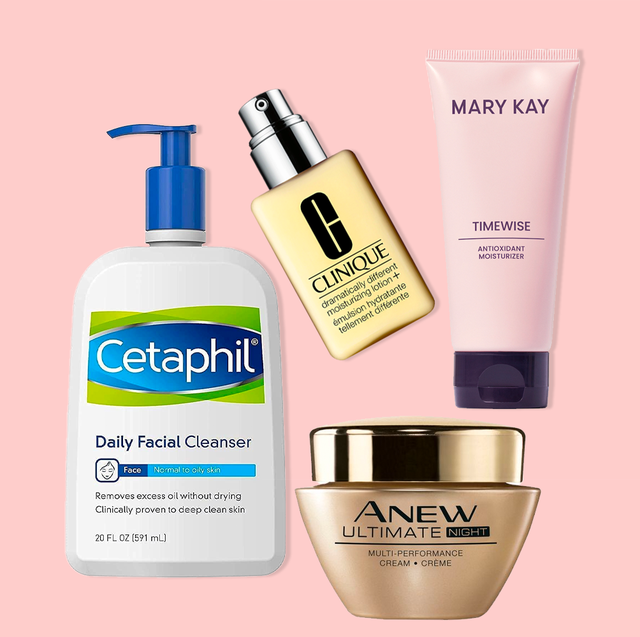
Review Packaging, Expiration, and Storage
Packaging can affect whether a skincare product stays safe and effective. Ingredients that break down with air, light, or heat may need an opaque tube, pump, or airless container.
Before buying, check:
• The expiration date or period-after-opening symbol.
• Whether the seal is intact.
• Whether the product has changed color, smell, texture, or consistency.
• Whether the container protects the formula from light and air.
• Whether the label includes directions, warnings, and manufacturer details.
A jar that you open with your fingers may allow more contact with air and bacteria than a pump bottle. This does not mean every jar is unsafe, but clean hands and proper storage matter.
Keep products away from direct sunlight and high heat. Do not share eye products, lip products, or anything used on broken skin. If a product suddenly smells sour or becomes lumpy, stop using it.
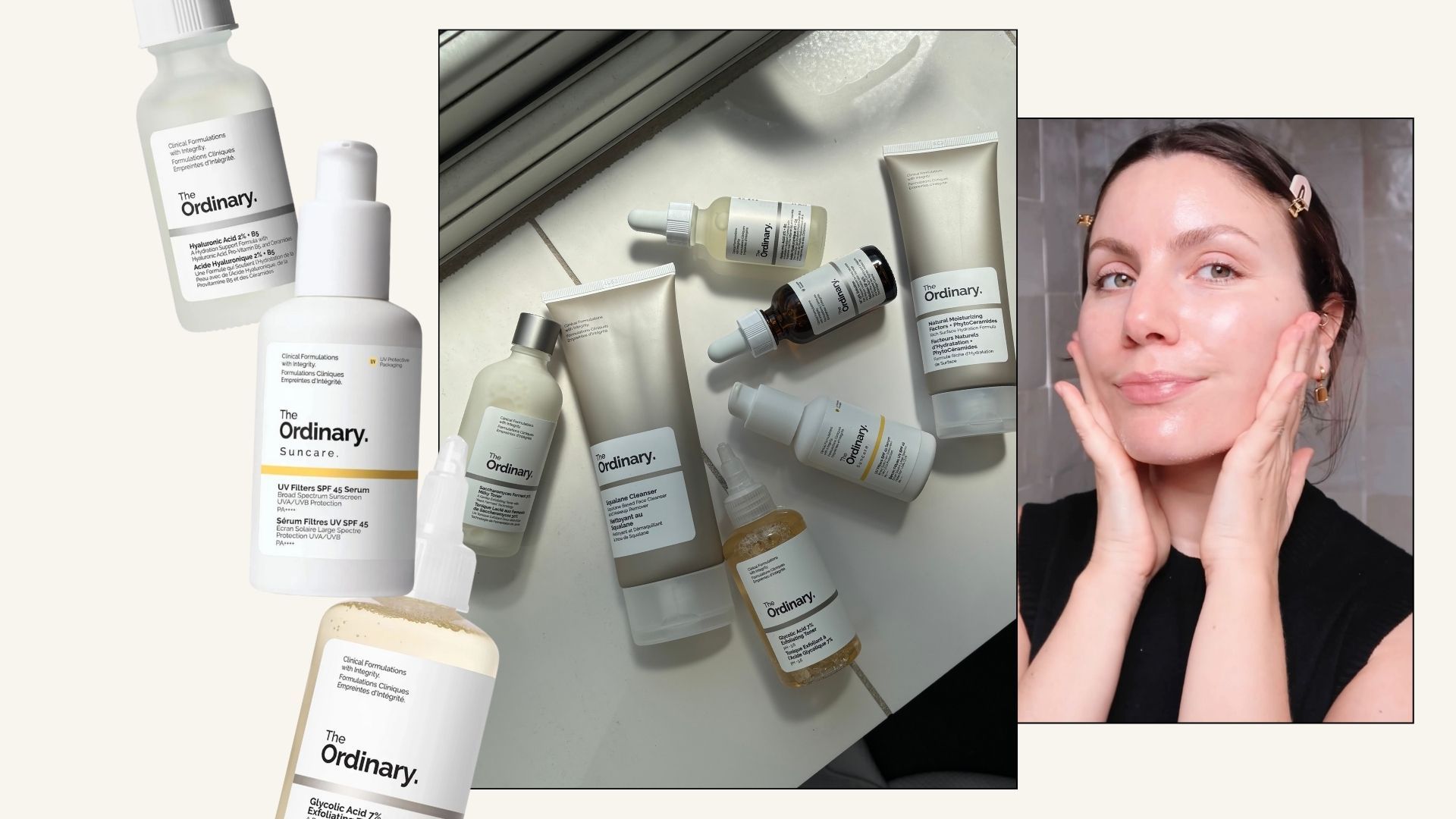
Patch-Test New Products
Patch testing is one of the best ways to learn how to know if a skincare product is good for your skin. It does not guarantee that you will never react, but it can lower the chance of a major reaction across your face.
Try this simple process:
Apply a small amount to an area such as the inner arm or behind the ear.
Use the product as directed for several days.
Watch for burning, itching, swelling, hives, or a spreading rash.
If your skin stays calm, test a small area near the jaw before using it on your full face.
Introduce only one new product at a time.
Patch testing is especially important with retinoids, exfoliating acids, hair removal products, hair dye, and products with fragrance. If you develop facial swelling, trouble breathing, severe pain, or blistering, seek urgent medical care.
A mild tingling sensation is not always proof that a product is working. Strong burning is a warning sign, not a badge of effectiveness.

Measure Results Without Rushing
Skin changes slowly. A moisturizer may improve comfort within days, while acne treatments often need several weeks. Dark spots and fine lines may take even longer to change.
Take a photo in the same light once every few weeks. Notice:
• Is your skin less dry or tight?
• Are new breakouts becoming less frequent?
• Has redness improved or worsened?
• Does makeup sit more smoothly?
• Are dark spots fading gradually?
• Can you use the product without ongoing irritation?
Avoid changing your whole routine at once. If your skin improves, you will not know which product helped. If it becomes irritated, you will not know which product caused the problem.
A useful rule is to give one product enough time to show a fair result, unless it causes a reaction. Stop early if you develop swelling, severe redness, painful burning, or a rash.

Know the Warning Signs of a Bad Product
Some signs suggest that a product may be poorly made, misleading, contaminated, or wrong for your skin. They include:
• A strong, unpleasant smell that was not present before.
• A sudden change in color or texture.
• No ingredient list or missing safety directions.
• Promises of instant, permanent, or guaranteed results.
• Pressure to avoid medical advice.
• A product sold without a clear manufacturer or seller.
• Severe burning, swelling, blistering, or itching after use.
• Skin that becomes unusually thin, fragile, or discolored.
Be cautious with unregulated skin-lightening products. Some have been found to contain undeclared ingredients that may harm the skin, kidneys, nerves, or other organs. If a product claims to erase scars, cure eczema, or treat a serious condition, ask a qualified health professional before using it.
This is another important part of how to know if a skincare product is good: listen to your skin. A product can have excellent reviews and still be a poor choice for you.

Build a Simple Skincare Routine
A basic routine is easier to follow and easier to evaluate. You do not need ten steps to care for your skin.
A simple morning routine may include:
Gentle cleanser, if needed.
Moisturizer suited to your skin type.
Broad-spectrum sunscreen with SPF 30 or higher.
A simple evening routine may include:
Cleanser to remove sunscreen, makeup, sweat, and dirt.
One treatment product, if needed.
Moisturizer to reduce dryness and support the skin barrier.
Use sunscreen every day when possible. It helps reduce sunburn and lowers cumulative ultraviolet exposure, which contributes to premature skin aging and some skin cancers.
Avoid adding several strong products at once. A gentle routine often works like a steady savings plan: small, consistent steps can produce better results than sudden, aggressive changes.

Common Mistakes That Make Good Products Seem Bad
Many skincare problems come from use, not the product itself. Applying too much can increase irritation without improving results. Using a strong exfoliant every day can leave skin dry, red, and sensitive.
Other common mistakes include:
• Washing the face with very hot water.
• Scrubbing acne or flaky skin.
• Applying retinoids or acids to wet skin when the directions advise otherwise.
• Skipping moisturizer because the skin feels oily.
• Using expired products.
• Mixing several active ingredients without guidance.
• Expecting a product to work overnight.
I have seen people blame a moisturizer after using it with three new acids at the same time. The better lesson is to change one variable at a time. Your routine should be a clear experiment, not a crowded kitchen counter.
What Research and Experts Suggest
Dermatology guidance generally supports gentle cleansing, regular moisturizing, sun protection, and cautious use of active ingredients. Evidence is stronger for some ingredients than for others, and product quality can differ even when two products use the same active ingredient.
The U.S. Food and Drug Administration regulates cosmetics under specific rules, but most cosmetics do not receive the same premarket approval as prescription medicines. This means consumers must pay close attention to labels, safety warnings, and credible medical advice.
Clinical studies can show that an ingredient works under controlled conditions. They do not guarantee that every product using that ingredient will produce the same result. Formula strength, pH, packaging, storage, and your own skin all matter.
When you want to know how to know if a skincare product is good, combine evidence with observation. Use trustworthy medical guidance, read the label, test slowly, and judge results over time.
Frequently Asked Questions About How to Know if a Skincare Product Is Good
How long should I use a skincare product before judging it?
A moisturizer may improve dryness within days, but acne or dark-spot products may need four to twelve weeks. Stop sooner if you develop a strong reaction or worsening symptoms.
Is an expensive skincare product better?
Price does not prove quality. Affordable products can contain effective ingredients, while costly products may include fragrance or marketing claims without better results.
How can I tell if a product is irritating my skin?
Burning, itching, swelling, persistent redness, bumps, or peeling may signal irritation. Stop the product and seek medical advice if the reaction is severe or does not improve.
Should I choose fragrance-free skincare?
Fragrance-free products are often a safer starting point for sensitive or eczema-prone skin. “Unscented” may still contain ingredients that mask or reduce a product’s natural smell, so read the ingredient list.
Can natural skincare products be harmful?
Yes, natural ingredients can cause allergies, burns, or irritation. Safety depends on the full formula and your skin, not whether an ingredient comes from a plant.
Is a tingling feeling a sign that a product works?
Not always. Mild tingling can occur with some active ingredients, but burning or pain suggests irritation and should not be ignored.
Conclusion
Learning how to know if a skincare product is good starts with your skin type, your main concern, and the product’s ingredient list. Choose realistic claims, check the packaging, patch-test new formulas, and introduce one product at a time. Give safe products enough time to work, but never ignore pain, swelling, or lasting irritation.
Your best routine does not need to be complicated. Start with a gentle cleanser, a suitable moisturizer, and daily sunscreen, then add one targeted product when needed. Use these steps the next time you shop, and share your experience or explore more evidence-based skincare guides for smarter choices.
