Wash gently, deep-condition, detangle carefully, store dry, and limit heat styling.
I’ve cared for many human hair wigs over years as a stylist and wig-user. This guide explains how to care for human hair wig with clear steps, product tips, and real-world tricks that save time and extend life. Read on for a complete routine you can use today to keep your wig soft, shiny, and long-lasting.

Why proper care matters for human hair wigs
A well-cared-for wig looks natural and lasts years. Human hair wigs behave like real hair. They absorb oils, get dry, and react to heat. Knowing how to care for human hair wig keeps texture intact, prevents tangles, and saves money over time.
Common benefits of good care:
- Extends lifespan of the wig
- Preserves style and shine
- Reduces matting and shedding
- Keeps lace and cap in good condition
From my experience, a wig that gets gentle, regular care stays smoother and needs fewer salon fixes. Treat the wig like a quality investment. Small habits prevent big repairs later.
Daily care routine for human hair wigs
A short daily routine prevents buildup and tangles. Follow these simple steps each day you wear the wig.
Daily steps:
- Brush gently before and after each wear using a wide-tooth comb or a wig brush.
- Start at the ends and work upward to the roots to ease tangles.
- Apply a small amount of leave-in conditioner or detangler to the ends if hair feels dry.
- Avoid heavy oils near the lace front or cap to prevent slippage and glue breakdown.
- If you sweat, wipe the inner cap with a damp cloth after removal to reduce salt buildup.
Personal tip: I keep a small spray bottle with diluted leave-in spray in my bag. A spritz mid-day restores natural movement without weighing the wig down. This habit cut down on deep washes.
Washing and conditioning human hair wigs
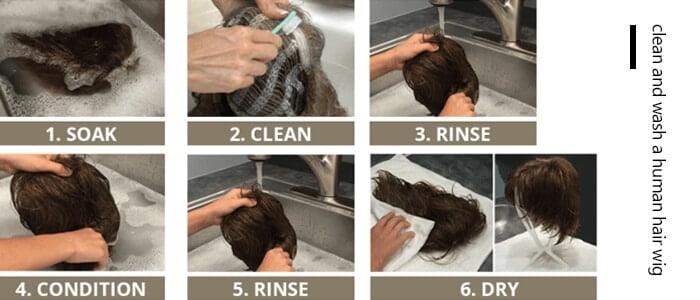
Washing is one of the most important parts of how to care for human hair wig. Clean the wig every 8–12 wears, or sooner if you use styling products or sweat heavily.
How to wash:
- Fill a basin with lukewarm water.
- Mix in a small amount of sulfate-free wig shampoo.
- Submerge the wig and let it soak for 5–10 minutes. Do not rub or twist.
- Gently swish and rinse with cool water until water runs clear.
- Apply a moisturizing conditioner from mid-shaft to ends. Avoid the roots and cap.
- Leave conditioner on for 3–5 minutes, then rinse with cool water.
Deep conditioning:
- Use a deep conditioner once every 3–6 washes.
- Apply generously to ends and mid-lengths.
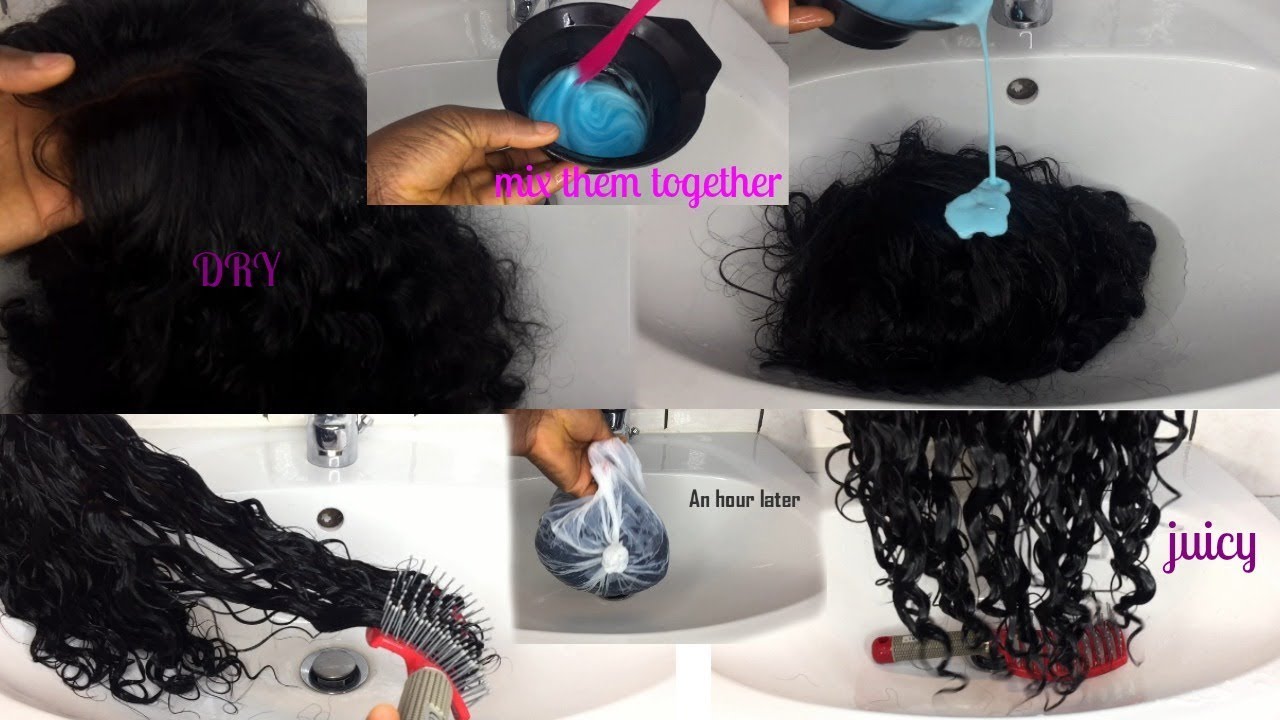
- Cover with a plastic cap and sit for 20–30 minutes before rinsing.
- For added repair, use a protein or reconstructing mask only if the wig feels overly soft or limp.
Drying tips:
- Pat dry with a microfiber towel. Do not wring.
- Place the wig on a wig stand and allow it to air dry away from direct sunlight.
- Avoid blow-drying unless you must style; use a low heat setting and a heat protectant.
Product notes: Always choose products designed for human hair wigs or gentle salon-grade formulas. Harsh shampoos and silicone-heavy products can weigh hair down and cause buildup.

Styling and heat protection
Styling is where many people worry about how to care for human hair wig. Human hair can handle heat, but you must be careful.
Heat styling best practices:
- Use a heat protectant spray before any hot tool.
- Keep temperature below 350°F (175°C) for irons and wands.
- Test on a small, inconspicuous section first.
- Use ceramic or tourmaline tools for even heat.
- Limit repeated high-heat styling; alternate with heat-free styling methods.
Safe styling ideas:
- Use foam rollers or Velcro rollers for volume.
- Braid damp hair overnight for waves.
- Use low-heat hot rollers if you want curls without stress.
Personal note: I learned the hard way that daily flat ironing thins lace wigs. Now I style less often and use rollers and pins. The wig looks better and lasts longer.

Drying, storing, and travel care
Drying and storage are crucial in instructions on how to care for human hair wig. How you put a wig away affects its shape and health.
Drying checklist:
- Never store a damp wig. Always let it air dry fully.
- Use a wig stand to keep shape and promote airflow.
Storage options:
- Use a breathable fabric bag or original box lined with tissue.
- For long-term storage, place the wig on a mannequin head or foam stand to avoid creases.
- Keep away from heat sources and direct sunlight to prevent fading.
Travel tips:
- Pack the wig in a silicone-lined, flexible travel case or a satin bag with tissue paper.
- For short trips, fold the wig inside a silk scarf to protect fibers.
- Bring a small comb, a travel-size leave-in spray, and bobby pins for quick fixes.

Maintaining lace, cap, and hairline
The cap and lace need special care when learning how to care for human hair wig. Handle the lace gently and keep adhesives clean.
Lace care:
- Remove adhesive residue using an oil-free adhesive remover.
- Clean lace with a soft cloth and mild soap when needed.
- Avoid scrubbing lace to prevent tears.
Cap care:
- Hand-wash caps inside out when necessary.
- Let elastic bands and adjustable straps air-dry fully before storing.
- Replace worn elastic and edge tape promptly to keep fit secure.
Hairline and baby hairs:
- Use gentle edge control products designed for wigs.
- Avoid heavy gels that flake or harden on the lace.
- Trim and shape baby hairs carefully with small scissors if needed.
From my experience, gentle adhesive removal and avoiding oil-based cleaners near lace extend the lace life significantly.

Common mistakes and troubleshooting
Knowing what not to do is part of how to care for human hair wig. Avoid these frequent errors.
Common mistakes:
- Washing too often or not often enough. Both harm fiber quality.
- Using harsh shampoos or household products that strip moisture.
- Sleeping with a raw wig on without securing it, causing friction and tangles.
- Applying heavy oils to the cap area and lace.
- Over-brushing when hair is wet, which leads to breakage.
Troubleshooting quick fixes:
- If wig smells, soak in diluted shampoo and let air dry fully. Use a light fragrance-free conditioner sparingly.
- If the wig tangles at the nape, trim a bit of the underlayer or apply a leave-in detangler.
- If shedding increases, check tightness of wefts and avoid rough caps.

Extra quick answers (PAA-style questions)
How often should I wash a human hair wig?
Wash every 8–12 wears, or sooner if you use heavy styling products or sweat. Less frequent washing preserves natural oils.
Can I color my human hair wig at home?
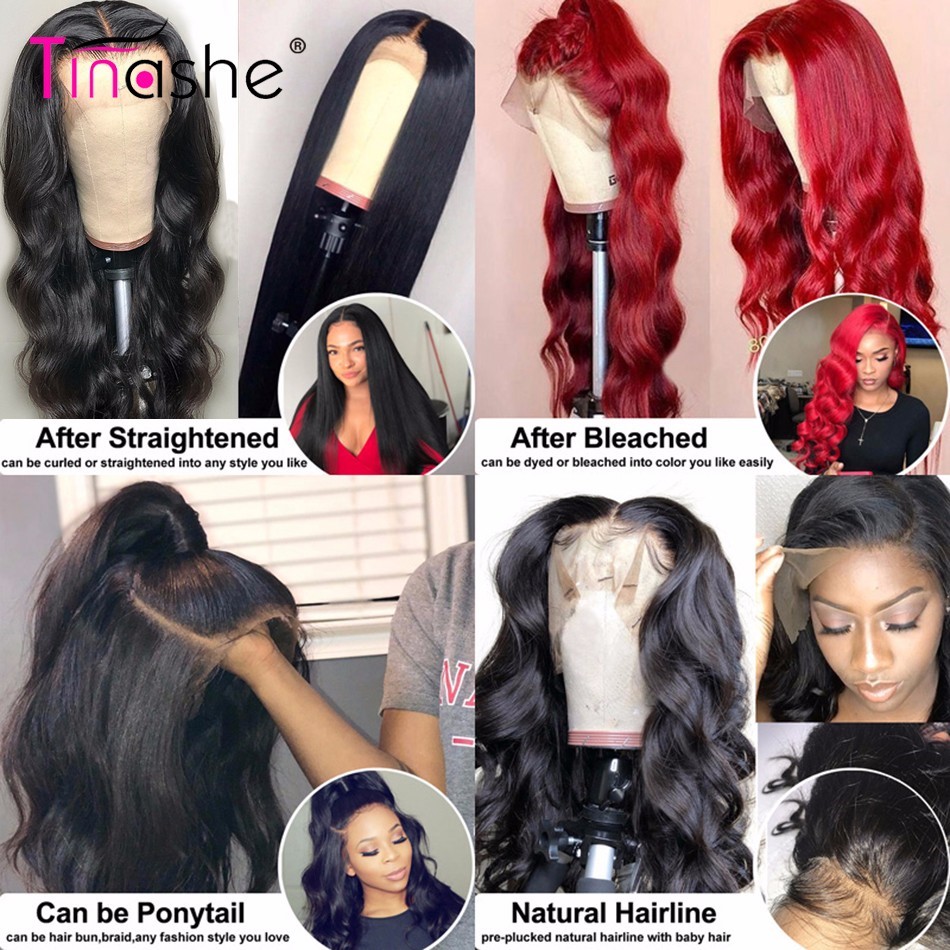
Yes, but proceed with caution. Test a small section first and use professional dyes or consult a colorist to avoid damage.
Is heat styling safe for human hair wigs?
Heat is safe when used sparingly with a heat protectant and low temperatures. Limit repeated high-heat sessions to extend the wig’s life.
Frequently Asked Questions of how to care for human hair wig
How do I detangle a human hair wig without causing damage?
Start from the ends and work up using a wide-tooth comb or wig brush. Hold the hair near the root to avoid pulling on the cap.
What products are best for conditioning a human hair wig?
Choose sulfate-free shampoos and moisturizing conditioners made for human hair wigs. Use a lightweight leave-in conditioner for daily softness.
Can I sleep in my human hair wig?
It’s best not to. Sleeping in a wig causes friction, tangles, and may loosen adhesive. If needed, wrap with a silk scarf and sleep on a silk pillowcase.
How long do human hair wigs typically last?
With proper care, a high-quality human hair wig can last one to three years or longer, depending on wear and maintenance.
How do I remove product buildup from a wig?
Use a clarifying shampoo in a gentle wash or a diluted vinegar rinse for mild buildup. Follow with a deep conditioner for moisture restoration.
How do I fix frizz or dryness in a human hair wig?
Apply a light hydrating serum or leave-in conditioner to the mid-lengths and ends. Avoid heavy oils near the cap and limit heat styling.
[No CodeImg here]
Conclusion
Caring for a human hair wig means gentle handling, the right products, smart styling, and proper storage. Follow the washing, drying, and heat tips above and you’ll see better texture, less shedding, and more wear time. Start small: add a leave-in spray, air-dry on a stand, and lower heat settings. These steps make a big difference.
Try one new care habit this week and track results. If you found these tips helpful, subscribe for more wig care guides, or leave a comment with your wig question.