
Care for combination skin by balancing oil control, gentle hydration, sun protection, and targeted treatment.
Combination skin can feel like two different skin types at once. Your T-zone may look shiny by midday, while your cheeks feel tight, dry, or easily irritated. Learning how to care for combination skin type means finding balance instead of treating your whole face as oily or dry.
The best routine uses mild products, light moisture, daily sunscreen, and targeted care for each area. This guide explains how to care for combination skin type with practical steps, ingredient advice, common mistakes, and simple routines that support a healthy skin barrier.

What Is Combination Skin?
Combination skin has both oily and dry areas. Most people notice extra oil on the forehead, nose, and chin, known as the T-zone. The cheeks, jawline, or area around the mouth may feel normal, dry, or sensitive.
This pattern often happens because oil glands are more active in some areas than others. Hormones, weather, stress, genetics, skincare products, and age can all affect oil production.
Combination skin can also change with the seasons. In summer, the T-zone may become very oily. In winter, the cheeks may become flaky or tight. This is why how to care for combination skin type should remain flexible.
Common signs include:
• Shine on the forehead, nose, or chin
• Dry or tight cheeks
• Enlarged pores around the nose
• Occasional blackheads or breakouts in the T-zone
• Flaking near the mouth or cheeks
• Skin that feels oily and dry after cleansing
The goal is not to remove all oil. Healthy skin needs some natural oil to protect its barrier. The goal is to reduce excess shine while keeping the dry areas comfortable.

How to Care for Combination Skin Type: A Simple Routine
A good routine does not need many products. In fact, using too many products can make combination skin more confused and reactive.
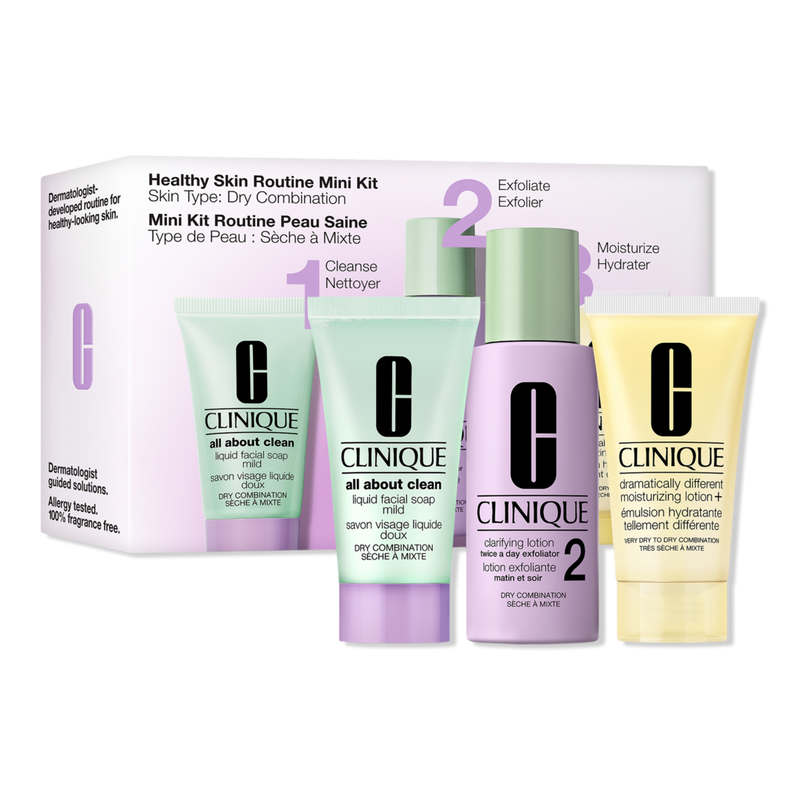
A basic routine has four steps:
- Cleanse gently.
- Apply a lightweight moisturizer.
- Use targeted treatments when needed.
- Apply sunscreen every morning.
This approach helps you learn how to care for combination skin type without stripping the skin or adding heavy layers.
Morning routine
Start with a gentle cleanser or rinse your face with lukewarm water if your skin is dry in the morning. Choose a cleanser that removes sweat and excess oil without leaving a tight feeling.
Next, apply a lightweight moisturizer. Gel creams and fluid lotions often work well because they hydrate dry areas without making the T-zone feel greasy.
Finish with broad-spectrum sunscreen rated SPF 30 or higher. Use enough to cover your face, ears, neck, and other exposed areas. Sunscreen helps prevent sunburn, dark spots, premature skin aging, and worsening irritation.
Evening routine
Cleanse your face at night, especially if you wore sunscreen or makeup. If you use water-resistant sunscreen or makeup, you may need a first cleansing step followed by a gentle water-based cleanser.
Apply any treatment after cleansing. Then use moisturizer while your skin is slightly damp. This helps hold water near the surface of the skin.
In my experience testing skincare routines, the biggest improvement often comes from using fewer products more consistently. A simple routine used every day usually works better than an ambitious routine used only once or twice a week.

Choose the Right Products for Combination Skin
Product texture matters as much as the ingredient list. A rich cream may suit dry cheeks but feel heavy on the nose. A strong oil-control gel may reduce shine but leave the cheeks uncomfortable.
When learning how to care for combination skin type, look for products described as:
• Noncomedogenic
• Fragrance-free or low-fragrance
• Gentle
• Lightweight
• Oil-free, if heavy products clog your pores
• Barrier-supporting
Cleanser
Choose a low-foam or gentle foaming cleanser. Avoid harsh soaps and cleansers that leave your skin squeaky. That tight feeling often means the cleanser has removed too much surface oil.
Useful cleanser ingredients may include glycerin, ceramides, or mild cleansing agents. Salicylic acid cleansers can help oily or congested areas, but use them carefully if your cheeks are dry.
Moisturizer
A moisturizer should support the skin barrier without feeling thick. Helpful ingredients include:
• Glycerin for water-based hydration
• Hyaluronic acid for attracting water
• Ceramides for barrier support
• Squalane for softening dry areas
• Panthenol for comfort
Apply more moisturizer to dry zones and less to oily zones. You do not always need the same amount on every part of your face.
Sunscreen
Choose a broad-spectrum sunscreen with SPF 30 or higher. A fluid, gel, or lightweight lotion may feel more comfortable on combination skin.
If sunscreen pills under makeup, try using less skincare underneath or allow each layer to dry. Mineral and chemical sunscreens can both work. The best sunscreen is one you can apply generously and reapply when needed.
Makeup
Look for noncomedogenic makeup when possible. Apply a thin layer of foundation and use powder only where you need it, such as the nose and forehead.
Heavy powder across the entire face can make dry areas look rough. A small amount of cream blush or hydrating concealer may create a smoother finish.

Use Targeted Treatments Instead of Treating Every Area
Combination skin often responds well to a “zone” approach. This means you treat each area according to its needs rather than applying strong products everywhere.
For example, you might use a salicylic acid product on the nose and chin but use only moisturizer on dry cheeks. This is a practical part of how to care for combination skin type.
For excess oil and clogged pores
Salicylic acid, also called beta hydroxy acid or BHA, can help loosen oil and dead skin inside pores. Start with a low-strength product once or twice a week.
Do not apply it to your whole face automatically. Use it on areas with blackheads, rough texture, or frequent congestion.
For dry or flaky areas
Dry skin often needs more moisture, not more exfoliation. Use a gentle moisturizer with ceramides, glycerin, or squalane.
If an area feels very dry, apply a small amount of a richer cream over your regular moisturizer. Keep this layer focused on the dry area if the rest of your face becomes oily.
For uneven tone
Vitamin C, azelaic acid, or a gentle retinoid may help with uneven tone and post-acne marks. Introduce only one active product at a time.
Azelaic acid is often useful for people who have blemishes, redness, or dark marks. However, every active ingredient can cause irritation. Patch-test new products and stop if you develop swelling, blistering, or intense burning.
For fine lines and texture
Retinoids can support smoother texture and help manage acne. Start with a small amount two nights per week, followed by moisturizer.
Retinoids may cause dryness at first. Avoid applying them to irritated skin, and use sunscreen each morning. People who are pregnant or trying to become pregnant should ask a health professional before using retinoids.

Weekly Care for Combination Skin
Combination skin does not need a complicated weekly schedule. Gentle and steady care is safer than aggressive treatments.
You may consider these habits:
• Exfoliate once or twice a week if your skin tolerates it.
• Use a clay mask only on oily areas.
• Use a hydrating mask or extra moisturizer on dry areas.
• Avoid scrubbing with rough particles.
• Skip exfoliation when your skin feels sore, tight, or irritated.
Clay can absorb excess oil, but it can also dry the skin if left on too long. Apply it to the T-zone, follow the product directions, and rinse before the mask becomes fully cracked and tight.
Do not use several strong treatments on the same day. For example, avoid combining a scrub, an acid toner, a clay mask, and a retinoid in one routine. More treatment does not always mean better results.
One mistake I often see is using a strong acne routine across the whole face because of a few clogged pores on the nose. This can damage the skin barrier and create more dryness, redness, and sensitivity. Targeted care is usually kinder and more effective.
Common Mistakes to Avoid
Knowing what not to do is a major part of how to care for combination skin type. Many problems come from trying to force the skin into one category.
Overwashing the face
Washing several times a day may remove oil for a short time, but it can leave the skin dry and irritated. Cleanse in the morning if needed and at night to remove sunscreen, makeup, sweat, and dirt.
Using harsh alcohol-based products
Some alcohols can feel refreshing but may cause dryness or stinging. Check how your skin feels after use. If it feels tight, hot, or rough, the product may be too harsh.
Skipping moisturizer
Oily areas still need water and barrier support. Skipping moisturizer can make the skin feel unbalanced and may lead you to use stronger products than necessary.
Using hot water
Hot water can worsen dryness and irritation. Use lukewarm water and pat your face dry with a clean towel.
Changing products too often
Give a new routine time to work unless it causes a reaction. Acne treatments may need several weeks to show progress. Switching products every few days makes it hard to know what helps.
Picking at pores and pimples
Squeezing can cause more inflammation and may increase the risk of dark marks or scars. Use a suitable treatment and seek professional help for painful or persistent acne.

Lifestyle Habits That Support Healthy Skin
Skincare is important, but daily habits also affect how your skin looks and feels. These habits cannot change your genetic skin type, yet they can support comfort and reduce irritation.
Try to:
• Sleep on a regular schedule.
• Wash pillowcases often, especially if you use hair products.
• Clean makeup brushes regularly.
• Remove makeup before bed.
• Avoid touching your face throughout the day.
• Drink enough water for your body’s needs.
• Eat a varied diet with fruits, vegetables, protein, and whole grains.
Stress does not cause every skin problem, but it can worsen acne and affect skin behavior in some people. Gentle exercise, rest, and stress management may support your overall health.
Weather matters, too. Use lighter layers in hot, humid weather and richer moisturizer on dry, cold days. This seasonal adjustment is one of the most useful lessons in how to care for combination skin type.

When to See a Dermatologist
Home care can help mild oiliness, dryness, and occasional breakouts. A dermatologist can help when symptoms are persistent, painful, or hard to understand.
Make an appointment if you have:
• Deep or painful acne
• Acne that leaves scars or dark marks
• Severe itching, swelling, or burning
• A rash that does not improve
• Sudden changes in oiliness or dryness
• Skin that cracks, bleeds, or becomes infected
A dermatologist can identify conditions that may look like combination skin, including acne, rosacea, seborrheic dermatitis, eczema, or contact dermatitis. Professional guidance is especially helpful if over-the-counter products keep causing irritation.
Patch testing is also important for people with sensitive skin or a history of allergic reactions. Stop using a product if you develop facial swelling, hives, breathing trouble, or a serious reaction, and seek urgent medical care when needed.

Frequently Asked Questions About How to Care for Combination Skin Type
What is the best skincare routine for combination skin?
Use a gentle cleanser, lightweight moisturizer, and broad-spectrum SPF 30 or higher. Add targeted treatments only where needed, such as salicylic acid for clogged pores or richer moisturizer for dry cheeks.
Should combination skin use moisturizer?
Yes. Combination skin needs moisture to support the skin barrier, including oily areas. Choose a lightweight, noncomedogenic formula and apply different amounts to different zones.
How often should you exfoliate combination skin?
Start with once a week and increase to twice a week only if your skin stays comfortable. Avoid exfoliating when you have dryness, redness, peeling, or stinging.
Is combination skin oily or dry?
Combination skin has both oily and dry or normal areas. The T-zone is often oily, while the cheeks may be dry, normal, or sensitive.
Can combination skin use facial oils?
Some people with combination skin can use a light facial oil on dry areas. Use only a small amount, patch-test first, and avoid it if it causes clogged pores or breakouts.
What ingredients should combination skin avoid?
Avoid ingredients that repeatedly cause burning, tightness, or redness. Harsh scrubs, strong fragrance, and frequent use of high-strength acids may be too irritating for some people, although sensitivity varies.
Conclusion
Combination skin needs balance, not harsh control. Cleanse gently, moisturize every area, protect your skin from the sun, and use active ingredients only where they are useful.
The best way to care for combination skin type is to watch how your skin responds and adjust your routine by season, location, and skin condition. Start with a few reliable products, introduce changes slowly, and give your skin time to improve.
Try this balanced approach for the next few weeks, keep a simple record of what you use, and consider sharing your experience or exploring more evidence-based skincare resources.
