
Rosacea may improve within 4 to 8 weeks, but full control often takes several months and ongoing care.
Knowing how long it takes for rosacea to clear up can ease worry and help you set realistic goals. Rosacea is a long-term skin condition, not a short-lived rash, so treatment usually aims to calm redness, prevent flares, and protect the skin over time. This guide explains what affects recovery, which treatments may help, and when to see a dermatologist.
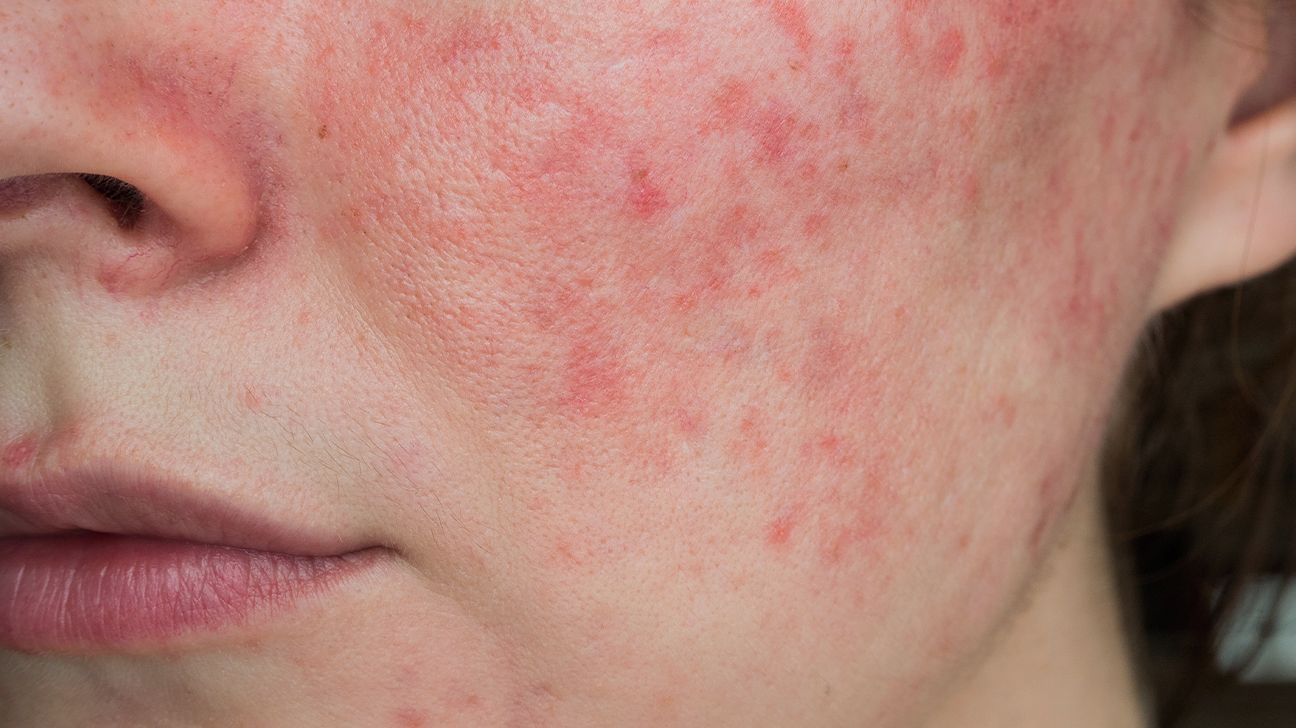
How long does it take for rosacea to clear up?
Rosacea often starts to improve within 4 to 8 weeks after proper treatment. Some people notice less burning or fewer bumps sooner, while others need 2 to 3 months to see clear progress.
The answer depends on the type of rosacea, how severe it is, and whether you avoid your personal triggers. Mild redness may settle fairly soon. Thickened skin, visible blood vessels, or frequent flares usually take much longer to manage.
It is also important to understand that rosacea usually cannot be cured forever. It can often be controlled well, but symptoms may return if treatment stops or triggers continue. Think of rosacea like a small fire under the skin. Treatment lowers the heat, but daily care helps keep the fire from starting again.
For many people:
• Mild rosacea may show early improvement in 4 to 6 weeks.
• Moderate rosacea may need 8 to 12 weeks.
• Severe or long-standing rosacea may take several months.
• Visible blood vessels may need laser or light treatment.
• Eye symptoms should be assessed quickly by a health professional.

Why rosacea takes time to clear up
Rosacea involves more than surface redness. It may include sensitive nerves, blood vessel changes, skin inflammation, and a weakened skin barrier. These changes do not always settle at the same speed.
A cream may reduce inflammation, but it may not remove broken blood vessels. Likewise, an antibiotic may reduce bumps but have little effect on fixed redness. This is why one treatment may help one symptom while another symptom remains.
Common factors that affect how long it takes for rosacea to clear up include:
• The type of rosacea you have
• The number and strength of your triggers
• How long symptoms have been present
• Whether treatment is used as directed
• Skin sensitivity and other skin conditions
• Hormonal changes, stress, and poor sleep
• Sun exposure and hot weather
• Whether the eyes are involved
A correct diagnosis also matters. Rosacea can look like acne, eczema, lupus, contact dermatitis, or a reaction to skin products. Treating the wrong condition can delay improvement.

Rosacea recovery time by symptom
Facial redness
Temporary flushing may fade within minutes or hours once a trigger passes. Persistent redness often takes longer. Prescription creams may need 8 to 12 weeks to show their full effect.
Some medicines can reduce facial redness for part of the day. However, they do not cure rosacea. The redness may return when the medicine wears off.
Rosacea bumps and pus-filled spots
Small bumps may improve within 4 to 8 weeks with the right treatment. Clearer skin often takes 2 to 3 months. A dermatologist may use anti-inflammatory creams, gels, oral medicine, or a mix of treatments.
Do not scrub or squeeze these spots. That can increase irritation and make the skin take longer to heal.
Visible blood vessels
Small facial blood vessels, often called spider veins or telangiectasia, usually do not disappear with creams. A dermatologist may treat them with laser or intense pulsed light.
Several sessions may be needed. Healing after each session can take a few days to a few weeks, based on the treatment and your skin.
Thickened skin
Phymatous rosacea can cause thick, uneven skin, most often around the nose. Medicine may reduce swelling and inflammation, but established thickening may need a procedure.
Treatment may involve laser resurfacing, electrosurgery, or another method chosen by a dermatologist. This form of rosacea needs professional care because early treatment may help prevent progression.
Eye symptoms
Eye rosacea may cause dry eyes, burning, redness, gritty feelings, or swollen eyelids. Symptoms can improve over several weeks, but they may return without long-term care.
Eye pain, blurred vision, light sensitivity, or a feeling that something is stuck in the eye needs prompt medical attention. Eye rosacea can affect the cornea in rare cases.

How long do rosacea treatments take to work?
Treatment time varies by product and symptom. Always follow the instructions from your prescriber, since stronger treatment is not always better for sensitive skin.
Topical medicines
Common prescription treatments include metronidazole, azelaic acid, ivermectin, and brimonidine. Some reduce bumps and inflammation. Others mainly reduce temporary redness.
A general timeline looks like this:
• The first 2 to 4 weeks may bring small changes.
• Noticeable improvement often appears by 4 to 8 weeks.
• Best results may take 8 to 12 weeks.
• Maintenance treatment may help prevent new flares.
Some products can sting or dry the skin at first. If burning is severe, contact your prescriber instead of stopping or adding products on your own.
Oral antibiotics
Low-dose doxycycline may help reduce inflammatory bumps and eye symptoms. Many people need several weeks before they see clear improvement.
Oral antibiotics are not a quick fix for facial redness or visible vessels. They work mainly by reducing inflammation. Take them only as prescribed and ask about sun sensitivity, stomach upset, and medicine interactions.
Laser and light treatment
Laser and light treatment may help fixed redness and visible blood vessels. Some people see a difference after one session, but several sessions are often needed.
Results vary by skin tone, device, vessel size, and provider skill. Choose a qualified medical professional with experience treating rosacea and your skin type.

What can make rosacea last longer?
Rosacea may take longer to clear when the skin faces repeated stress. A person may use an effective medicine but still flare every day from heat, alcohol, harsh products, or sun exposure.
Common triggers include:
• Sunlight and tanning beds
• Hot drinks and hot foods
• Alcohol, especially red wine
• Spicy foods
• Hot baths, saunas, and intense heat
• Cold wind and sudden weather changes
• Heavy exercise
• Emotional stress
• Harsh scrubs or exfoliating acids
• Fragrance and essential oils
• Corticosteroid creams used on the face without medical advice
Triggers differ from person to person. You do not need to avoid every item on this list. Instead, track what happens before a flare. A simple note on your phone can reveal patterns within a few weeks.
One practical lesson is to change one product at a time. If you start three new products together, you may not know which one helped or caused irritation. Gentle, steady care usually works better than a crowded routine.

A simple routine to help rosacea clear up
A calm routine can support medical treatment and reduce irritation. It will not replace a diagnosis, but it may help the skin recover.
Morning
- Wash with lukewarm water and a gentle, fragrance-free cleanser.
- Pat your face dry with a soft towel. Do not rub.
- Apply prescribed medicine as directed.
- Use a plain moisturizer for sensitive skin.
- Apply broad-spectrum SPF 30 or higher.
Evening
- Remove makeup with a gentle cleanser.
- Apply prescribed treatment according to the directions.
- Use moisturizer after the medicine if your clinician allows it.
- Keep the routine simple and consistent.
Mineral sunscreens with zinc oxide or titanium dioxide may feel more comfortable for some people. If sunscreen burns, try a small area first and ask a dermatologist about other options.
Avoid picking, scrubbing, facial brushes, steaming, and strong peels. These steps can damage the skin barrier and affect how long it takes for rosacea to clear up.
How to tell whether your treatment is working
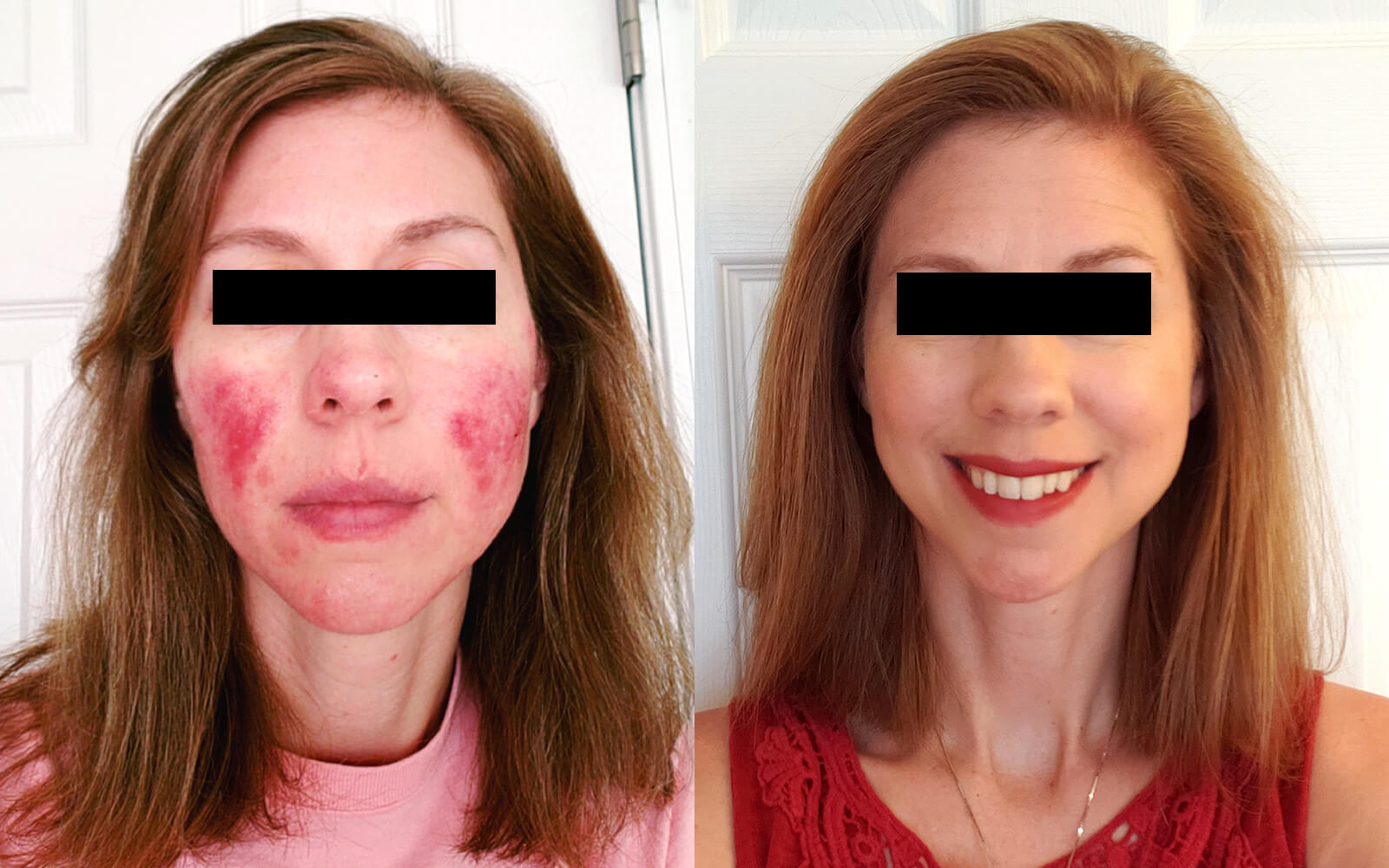
Improvement does not always mean perfect skin right away. Look for smaller signs of progress, such as:
• Fewer flushing episodes
• Less burning or stinging
• Fewer new bumps
• Faster recovery after a flare
• Less swelling
• Better comfort when using skin products
Take a photo in the same room once every 2 to 4 weeks. Daily mirror checks can make small changes hard to notice. Photos give you and your dermatologist a clearer view of progress.
If symptoms are no better after 8 to 12 weeks, arrange a review. The diagnosis may need checking, the medicine may need changing, or another condition may be present.
Do not keep using a product that causes strong burning, swelling, blistering, or a spreading rash. These signs may point to irritation or an allergy rather than normal adjustment.

When to see a dermatologist
See a dermatologist if redness keeps returning, over-the-counter products do not help, or your symptoms affect your confidence or daily life. Early care may reduce the risk of worsening symptoms.
Book medical care sooner if you have:
• Painful or swollen eyes
• Blurred vision or strong light sensitivity
• Severe facial swelling
• Thickening skin around the nose
• A sudden rash that spreads quickly
• Symptoms after using a steroid cream
• A rash that does not match your usual rosacea pattern
A dermatologist may examine your skin, ask about triggers, review your products, and create a treatment plan. There is no single best treatment for every person. The right plan often combines medicine, skin care, sun protection, and trigger control.
Can rosacea go away permanently?
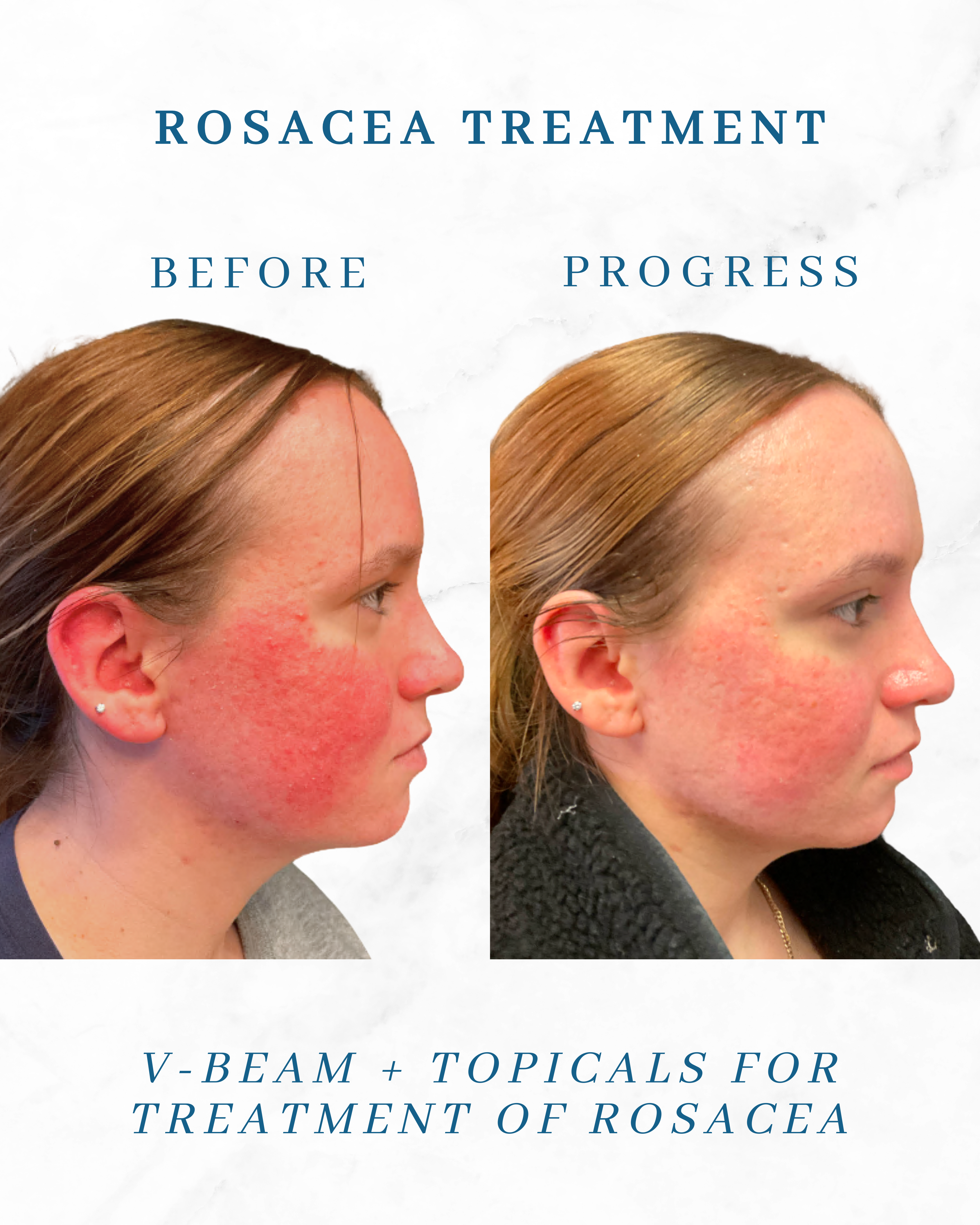
Rosacea usually does not disappear permanently, but long periods of clear or nearly clear skin are possible. Treatment can reduce symptoms and lower the number of flares.
Some people need daily treatment. Others use medicine during flares or follow a maintenance plan. Your needs may change with seasons, age, stress, and skin sensitivity.
The goal is not to chase perfect skin overnight. The goal is stable skin that feels comfortable and reacts less often. This approach is more realistic and often less stressful.
Common mistakes that delay rosacea improvement
Several well-meant habits can make symptoms worse. Avoid these common mistakes:
• Changing treatments every few days
• Using many active ingredients at once
• Scrubbing away flakes or bumps
• Applying steroid cream without medical advice
• Skipping sunscreen
• Using very hot water
• Ignoring eye symptoms
• Expecting one product to fix every symptom
• Stopping treatment as soon as the skin looks better
• Assuming every facial rash is rosacea
Patience matters. Many treatments need weeks to work, and frequent changes can restart irritation. Follow the plan long enough to judge it properly, unless you have a serious reaction.
Frequently Asked Questions
How long does it take for rosacea to clear up without treatment?
Mild rosacea may settle for a short time, but it often returns and can slowly worsen. Without treatment and trigger control, symptoms may continue for months or years.
How long does it take for rosacea to clear up with prescription cream?
Many prescription creams take 4 to 8 weeks to show clear improvement. Full results may take 8 to 12 weeks, depending on the medicine and the type of rosacea.
Can rosacea clear up in a week?
A flare may calm within a few days if you remove the trigger and use gentle skin care. However, lasting control usually takes longer than one week.
Does rosacea ever go away completely?
Rosacea is usually a chronic condition, so it may not disappear forever. Many people can control it well and enjoy long periods with few or no visible symptoms.
Why is my rosacea not getting better?
Possible reasons include the wrong diagnosis, ongoing triggers, product irritation, missed doses, or a treatment that does not match your symptoms. A dermatologist can review the plan and check for another skin condition.
How long does rosacea redness last after a flare?
Temporary flushing may fade within minutes to hours. Persistent redness can last much longer and may need prescription treatment, laser, or light therapy.
Conclusion
How long it takes for rosacea to clear up depends on the symptom, treatment, triggers, and length of time you have had the condition. Many people see early progress in 4 to 8 weeks, while stronger control may take 2 to 3 months or longer.
Use gentle skin care, protect your face from the sun, track your triggers, and follow treatment consistently. If symptoms persist, worsen, or affect your eyes, see a dermatologist rather than trying stronger products alone. Start with one calm step today, and explore trusted medical resources or share your experience in the comments.
