Polar hair care can be effective for many, but results depend on hair type, damage level, and routine.
I’ve tested and researched polar hair care products for years as a stylist and writer. This article answers the core question: does polar hair care work? I’ll explain what polar hair care means, how it claims to work, the science behind key ingredients, real benefits and limits, and practical steps to get results. Read on to decide if polar hair care fits your hair goals.

What is polar hair care?
Polar hair care is a category of products that target moisture, repair, and thermal protection using ingredients that interact with hair’s surface. Brands often market these items as advanced repair systems or cold-activated treatments. People ask “does polar hair care work” because the term sounds scientific but varies by formulation.
Polar systems aim to seal cuticles, rebuild bonds, or trap moisture. They can be shampoos, conditioners, masks, or leave-ins. Each product follows a specific claim: smoothing, strengthening, or insulating hair.

How polar hair care works
Most polar hair care products work in one of three ways. They add surface conditioning to reduce frizz. They deposit proteins or bond builders to strengthen fibers. They create a protective layer to slow moisture loss.
Bond builders reconnect broken internal links in hair. Surface conditioners flatten the cuticle and add shine. Protective agents form a thin barrier to reduce damage from heat and humidity.
People ask “does polar hair care work” because efficacy depends on the ingredient list and how you use the product. Correct use and realistic expectations matter.

Key ingredients and the science
Polar hair care blends different molecules. Here are the common types and why they matter.
- Small proteins and peptides
- These can temporarily patch weak spots in hair strands and improve tensile strength.
- Cationic conditioning agents
- They bind to negatively charged hair to smooth and reduce static.
- Humectants like glycerin
- They attract moisture but need balance to avoid dryness in low-humidity climates.
- Silicone or film formers
- They seal the surface and boost shine, but can build up without proper cleansing.
- Bond-rebuilding chemicals
- Ingredients that claim to rebuild disulfide or hydrogen bonds may offer measurable repair when used correctly, but no topical can permanently recreate all breakage.
Laboratory tests often show improved breakage resistance and smoother cuticles after use. Real-world results vary by hair porosity, prior damage, and frequency of styling.

Benefits and limitations
Understanding benefits and limits helps answer does polar hair care work for you.
Benefits
- Reduced frizz and improved shine within a few uses.
- Stronger feel and less breakage with repeated use.
- Easier styling and improved heat protection.
Limitations
- Not all products rebuild hair permanently.
- Overuse of heavy silicones can weigh hair down.
- Humectants can be counterproductive in very dry climates.
- Results differ for fine, coarse, colored, or chemically treated hair.
Be clear: polar hair care can help. It is not a magic fix for extreme chemical damage. Maintain realistic goals.

Who should try polar hair care?
Polar hair care suits people who want repair, smoother texture, or stronger hair. It is especially helpful for:
- Those with heat-damaged or mildly chemically damaged hair.
- People with frizz who want protection from humidity.
- Anyone looking to strengthen hair before a major cut or color service.
Avoid heavy polar formulations if you have very fine hair that feels limp with oils or silicones. If you wonder “does polar hair care work on my hair?” consider a patch test or a travel-size trial.
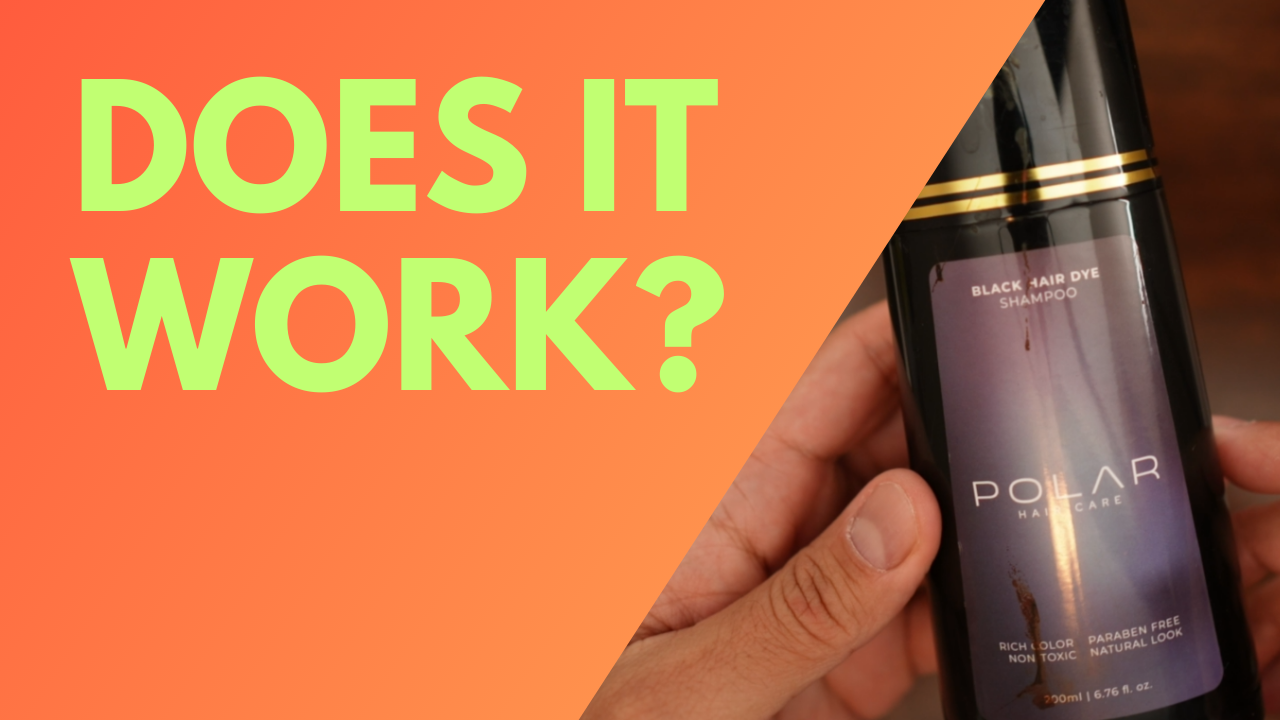
How to use polar hair care effectively
A good routine improves outcomes. Follow these steps.
- Cleanse with a gentle shampoo first to remove build-up.
- Apply the polar treatment as directed. Masks often need 5–15 minutes.
- Rinse and follow with a lightweight conditioner if instructed.
- Use leave-ins or heat protectants with polar actives for styling.
- Cycle treatments—use intense products weekly and lighter ones more often.
Tips from my experience
- Start with less product. Add more only if your hair tolerates it.
- Use clarifying shampoo once every 1–2 weeks to prevent buildup.
- Match formulation to climate: lighter formulas in humid areas, richer ones in dry zones.
Proper use answers a key part of does polar hair care work: consistent, correct application matters more than hype.

My experience testing polar hair care
I used polar-based masks and leave-ins on different clients and my own hair over several months. Results were clear for certain hair types.
Observations
- Medium to coarse hair saw better smoothing and reduced breakage.
- Color-treated hair regained luster with consistent use.
- Fine hair needed diluted application to avoid heaviness.
Mistakes I made and learned from
- Using heavy treatments daily made hair limp. Use weekly or biweekly instead.
- Skipping clarifying steps led to buildup. A clean base improves results.
- Expecting immediate miracles set me up to be disappointed.
If you ask does polar hair care work for daily styling, the answer depends on product strength. Use lighter versions for daily use and richer treatments less often.

Practical product-matching guide
Match product to need with this quick guide.
- Frizz and humidity
- Choose lightweight polar leave-ins with cationic conditioners.
- Breakage and thinning
- Use bond-building masks weekly and protein-balanced conditioners.
- Dry and coarse hair
- Pick richer polar masks with humectants and emollients.
- Fine hair
- Use diluted formulas and avoid heavy film formers.
This approach improves the odds that polar hair care will deliver what it promises.

PAA-style questions
What results should I expect and when?
Expect smoother texture within one to two uses and measurable strength gains over 4–8 weeks with consistent use. Results vary by damage level.
Can polar treatments repair chemically damaged hair permanently?
No. They can improve strength and appearance and help bridge broken fibers, but they cannot fully restore severely damaged hair to an undamaged state.
Are polar products safe for colored hair?
Most polar products are safe for color-treated hair and often enhance shine, but check labels for color-safe claims and avoid high-alkaline treatments.
How often should I use polar masks?
Use intensive polar masks once a week for damaged hair and every two weeks for maintenance; lighter leave-ins can be used more frequently.
Will polar hair care make my hair greasy?
Heavier polar formulations can weigh hair down if overused, especially on fine hair; proper dosing and clarifying help prevent greasiness.
Frequently Asked Questions of does polar hair care work
What exactly is polar hair care?
Polar hair care refers to products designed to interact with hair chemistry to improve moisture balance, strength, and surface smoothness. The term groups treatments that use conditioning agents, proteins, and bond builders.
How quickly will I see results?
Some smoothing and shine show up after the first use, while strength and reduced breakage typically need four to eight weeks of consistent use. Individual hair condition affects timing.
Can polar products damage hair?
They can if used incorrectly. Heavy silicones or repeated protein overload may cause buildup or stiffness. Proper rotation and clarifying help avoid harm.
Is polar hair care better than traditional conditioning?
It’s not strictly better; it can be more targeted. Polar care often focuses on bond repair and specific surface chemistry, while traditional conditioners mainly smooth and detangle.
Are polar hair care claims backed by science?
Many ingredients used in polar products have lab data showing benefits like improved tensile strength and reduced porosity, but real-world results depend on formulation and usage.
Conclusion
Polar hair care can work, especially when you pick the right formulation and use it correctly. It offers real benefits like less frizz, improved strength, and better shine, but it is not a cure-all for extreme damage. Start with a clear goal, choose products that match your hair type, and follow a consistent routine. Try a small test, track results for several weeks, and adjust based on how your hair responds. If you found this helpful, try one targeted polar treatment, share your results, or leave a comment so we can compare notes.