
Introduction
Yes, you can kiss with lipstick on. The main issue is not whether kissing is possible. It is how much the lipstick transfers, how it feels, and whether either person has sensitive skin or an allergy to an ingredient.
In the United States, lipstick is a cosmetic made for use on the lips. It is not made to be eaten, but small amounts may be swallowed during normal wear or kissing. Most people can kiss safely with lipstick on if the product is used as directed and neither person has a reaction to it.
The best results depend on the formula. Matte liquid lipstick usually transfers less than creamy lipstick or lip gloss. A thin layer, lip liner, and a gentle blot can also reduce marks without making the lips feel dry.

Does lipstick come off when you kiss?
Lipstick can come off when you kiss, but the amount varies by formula, application, and pressure. Creamy, glossy, and moisturizing lip products tend to move more easily. Dry, matte, and long-wear formulas usually stay in place longer.
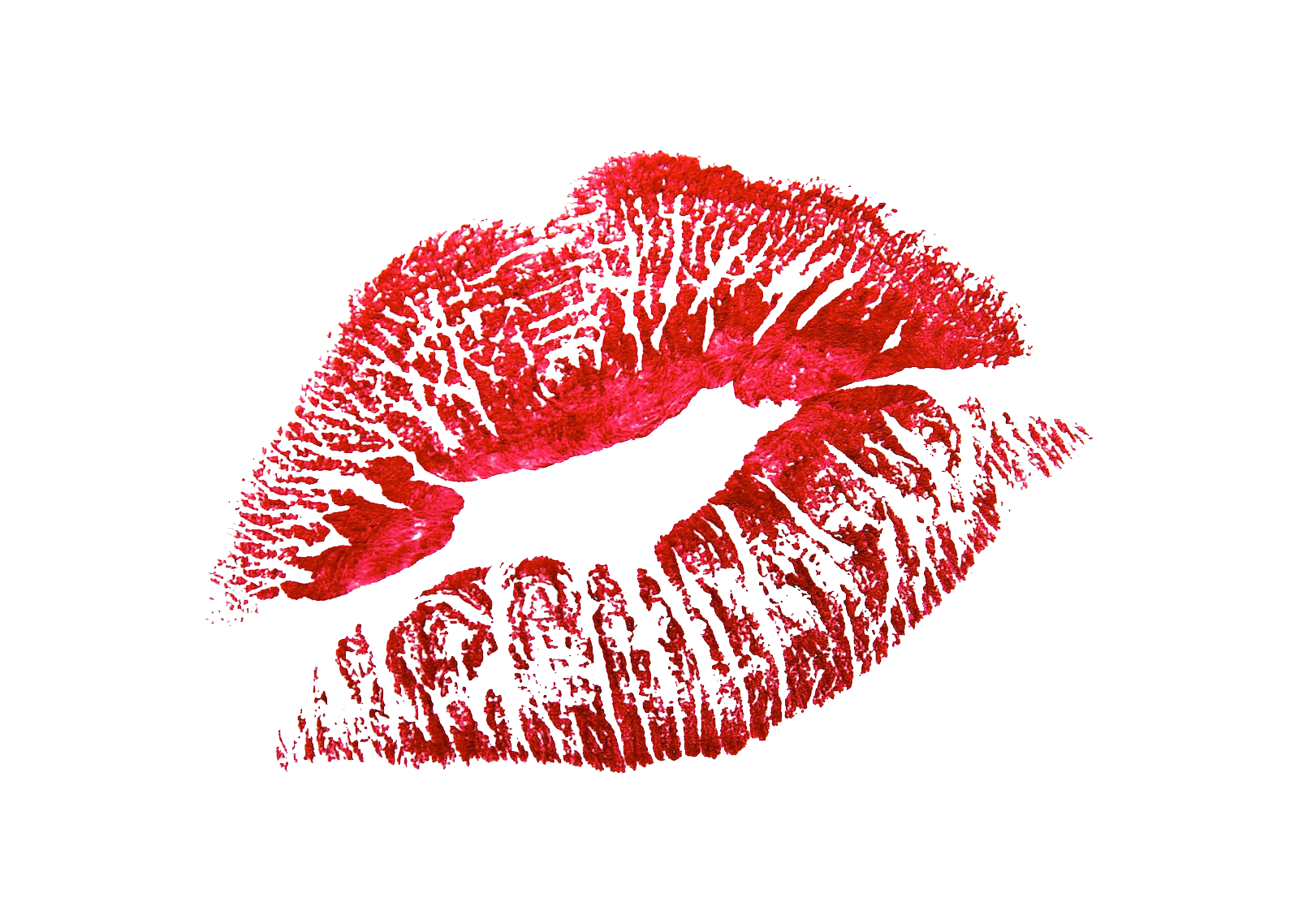
Lipstick transfers because the lips press together. Heat, moisture, natural lip oils, saliva, and friction can loosen the product. A soft kiss may leave little or no visible mark, while a long or intense kiss may remove more color.
Lipstick transfer by formula
| Lip product | Likely transfer | Feel during kissing | Best use |
|---|---|---|---|
| Lip gloss | High | Wet or sticky | Shine and moisture |
| Cream lipstick | Medium to high | Soft and smooth | Comfort and rich color |
| Satin lipstick | Medium | Smooth, less dry | Everyday wear |
| Matte bullet lipstick | Low to medium | Dry to comfortable | More color control |
| Matte liquid lipstick | Low after drying | May feel dry or tight | Long wear |
| Lip stain | Low, but not zero | Light and thin | A natural tint |
| Lip balm with tint | Medium | Moist and soft | Casual wear |
These are general tendencies, not guarantees. Two products with the same label may behave differently. A “long-wear” product may still transfer if you apply too much lip balm beneath it or eat oily food before kissing.
Why “kiss-proof” lipstick is not completely transfer-proof
“Transfer-proof” and “kiss-proof” are marketing terms. They do not mean that no color can ever move. Any lip product may transfer under enough pressure, moisture, oil, or rubbing.
A long-wear formula may resist a quick kiss but still leave a mark during prolonged contact. It may also flake or wear away from the center of the lips as the day goes on.

How to wear lipstick before kissing
For less transfer, start with clean, smooth lips and use a thin layer of product. The goal is to leave enough color for an even look without creating a thick, wet surface.
1. Smooth dry skin gently
If your lips have loose flakes, remove them gently with a damp washcloth. Do not scrub hard. Rough treatment can cause small cracks, soreness, or bleeding.
If your lips are very dry, use a plain lip balm first. Wait several minutes, then blot away extra balm. Too much oil under lipstick can make the color slide.
2. Outline and fill with lip liner
Choose a liner close to your lipstick shade. Outline the lips, then fill in the full lip area. Filling the lips helps create a base, so the color does not disappear as soon as the lipstick wears down.
Do not draw far outside the natural lip line if the product may rub onto another person. A precise line looks cleaner when some transfer occurs.
3. Apply a thin coat
Put on one thin layer of lipstick. Press your lips together once to spread the color. Avoid repeatedly rubbing them together, since that can push the product beyond the lip line.
If you need more coverage, add a second thin layer rather than one heavy coat. Thick layers stay wet longer and tend to transfer more.
4. Blot carefully
Place a clean tissue between your lips and press lightly. Do not drag the tissue across the skin. Blotting removes excess surface oil and product.
You can add a small amount of powder around the outer lip line, but avoid putting loose powder directly inside the mouth. Powder may feel dry and can make the finish look uneven.
5. Let liquid lipstick dry
If you use a liquid matte formula, allow it to dry fully before kissing. Drying time varies by product. Follow the package directions and avoid adding lip balm over it unless the brand says it is compatible.
Some matte formulas become more comfortable with a very small amount of balm. However, balm can also increase transfer. Test the result before an important event.
6. Check the edges
Look for color outside the lip line, especially at the corners. Clean stray product with a cotton swab and makeup remover.
A quick tissue test can help. Press the tissue lightly to your lips. A small mark is normal. A wet or heavy mark suggests that the product needs more time to set or that you applied too much.

How to kiss without making a lipstick mess
The simplest approach is to start gently and avoid pressing the lips together for a long time. This gives you a chance to see how the product behaves.
Tell your partner if you are wearing a product that may transfer. A quick comment can prevent surprise marks on the lips, face, or clothing. Consent matters for kissing, and both people should feel comfortable with the contact.
If you want to protect the lipstick, keep the first kiss light. Avoid rubbing your lips from side to side. A gentle press creates less friction than repeated movement.
You can also kiss with slightly parted lips. This may reduce direct pressure on the broadest part of the lipstick, though it will not prevent all transfer.
When to remove lipstick before kissing
Removing lipstick may be the better choice when:
- Your partner dislikes the taste or texture.
- The lipstick feels sticky or thick.
- The product has a strong scent.
- Your lips are cracked or irritated.
- You are wearing a very creamy or glossy product.
- You need to avoid marks on clothing or skin.
- The product has not dried and may smear easily.
A product labeled long-wear may be harder to remove quickly. If you expect to remove it, carry an oil-based makeup remover or a gentle cleansing balm. Do not pull at dry flakes or scrub sore lips.

Is it safe to kiss with lipstick on?
For most people, kissing with lipstick on is low risk when the product is intended for cosmetic use and applied to intact lips. Still, lipstick can cause problems for people with allergies, sensitive skin, or damaged lips.
The U.S. Food and Drug Administration regulates cosmetics under federal law. Cosmetic products must be safe when used as directed, but the FDA does not approve most cosmetics before they reach the market. The person or company responsible for the product must make sure it is safe and properly labeled.
Lipstick is not a food product. Avoid deliberately eating it or using it in place of a product made for oral use. Small accidental amounts from normal wear are different from intentionally consuming the product.
Watch for irritation or allergy symptoms
Stop using the product if you notice:
- Burning or stinging that does not fade.
- Swelling of the lips, mouth, or face.
- A rash around the lips.
- Blisters, hives, or intense itching.
- Cracking that begins after using a new product.
- Trouble breathing or swallowing.
Mild irritation may improve after you remove the product. Wash the lips gently with water and avoid using the product again until you know what caused the reaction.
Get urgent medical help for trouble breathing, severe swelling, faintness, or signs of a serious allergic reaction. A healthcare professional can help identify the cause of repeated lip reactions.
Do not share lipstick
Sharing lipstick can spread germs and may expose another person to ingredients that cause a reaction. This matters even more when someone has a cold sore, a cut, bleeding lips, or another active mouth or lip problem.
Do not apply lipstick directly over a cold sore or open wound. A cold sore can spread through oral contact, including kissing. If either person has an active sore, wait until it has healed and follow medical advice.
Check the product before use
Use lipstick from a reliable source and follow its label. Avoid products with a changed smell, texture, or color. Do not use a product if the package is damaged or if it appears contaminated.
Keep lipstick away from excessive heat. High temperatures can soften the product, change its texture, and make it more likely to smear.
How to remove lipstick after kissing
Use a gentle makeup remover or cleansing balm. Apply it to the lips, let it sit briefly, and wipe with a soft cotton pad or clean cloth. Repeat only as needed.
For long-wear products, an oil-based remover often works better than plain water. Do not scrub hard. Friction can leave the lips red, sore, or cracked.
After removal, apply a simple lip balm if the lips feel dry. Avoid heavily scented or flavored products if your lips are sensitive.
If lipstick stains clothing, avoid rubbing the spot deeper into the fabric. Blot first, then follow the care instructions for that garment. Test any stain remover on a hidden area before using it on visible fabric.

Common lipstick mistakes before kissing
Applying too much lip balm
Lip balm can help dry lips, but a thick layer may stop lipstick from setting. Use a small amount, wait, and blot the excess.
Using a heavy lip oil under lipstick
Lip oils can make color slide and transfer. They may also cause a glossy formula to spread beyond the lip line.
Skipping the dry time
Liquid lipstick needs time to set. Kissing before it dries can create uneven patches and transfer a large amount of product.
Choosing a product only because it says “kiss-proof”
The label does not guarantee zero transfer. Look at the finish and feel as well. A product that resists marks may feel dry, tight, or difficult to remove.
Reapplying over worn color
Adding fresh lipstick over a patchy layer can create a thick surface. Remove most of the old product, smooth the lips, and apply a thin new layer instead.
Ignoring discomfort
Tingling, burning, swelling, or itching is not proof that a lipstick is working. Remove the product if it causes unusual discomfort.

Quick takeaways
- Yes, you can kiss with lipstick on.
- Creamy and glossy products usually transfer more than matte or stain formulas.
- Apply a thin layer, blot gently, and let liquid lipstick dry.
- “Kiss-proof” does not mean completely transfer-proof.
- Do not share lipstick, especially when someone has a cold sore or broken skin.
- Stop using any product that causes burning, swelling, itching, or a rash.
- Remove lipstick gently with a suitable makeup remover.
FAQs
Can you kiss someone wearing matte lipstick?
Yes. Matte lipstick is often less likely to transfer than glossy or creamy lipstick. However, it can still move during a long kiss, especially if it has not dried or if lip balm is underneath.
What lipstick is best for kissing?
A thin lip stain or a well-set matte formula usually leaves less color behind. If comfort matters more than transfer resistance, a satin formula may be a better balance. The best choice depends on whether you value moisture, shine, color strength, or low transfer.
Does lipstick taste during kissing?
It can. Fragrance, flavor, waxes, oils, and pigments may create a noticeable taste or texture. If your partner dislikes the taste, remove the lipstick or choose an unscented, lighter formula.
Can lipstick cause a reaction when kissing?
It can cause a reaction in someone who is sensitive or allergic to an ingredient. The wearer may also develop irritation. Remove the product if symptoms appear, and seek urgent care for breathing trouble or severe swelling.
Should you wear lip liner when kissing?
You can. Lip liner may help keep the color within the lip line and give the lipstick a more stable base. Fill in the lips with liner if you want the color to last as the lipstick wears away.
How do you stop lipstick from getting on someone?
Use a thin coat, blot away excess product, let liquid lipstick dry, and avoid glossy formulas. A lip stain may leave less visible color, but no product can promise zero transfer in every situation.
Conclusion
You can kiss with lipstick on, but some transfer is normal. For the cleanest result, use a thin layer of matte lipstick or lip stain, let it set, and blot away excess product.
Comfort and safety matter as much as appearance. If the lipstick feels sticky, tastes unpleasant, irritates the lips, or bothers your partner, remove it. A good kiss should feel comfortable for both people, with or without lipstick.
