
Gentle skin care, rich moisturizers, trigger control, and medical treatment can ease rosacea-related dry skin.
Dry, tight, flaky skin can make rosacea feel even more uncomfortable. The skin barrier is often weak, so products that seem mild may still sting or burn. This guide explains how to get rid of dry skin from rosacea with simple steps, evidence-based care, and clear advice on when to see a dermatologist. It also covers common mistakes, product choices, and ways to protect sensitive skin every day.
Why rosacea causes dry, flaky skin
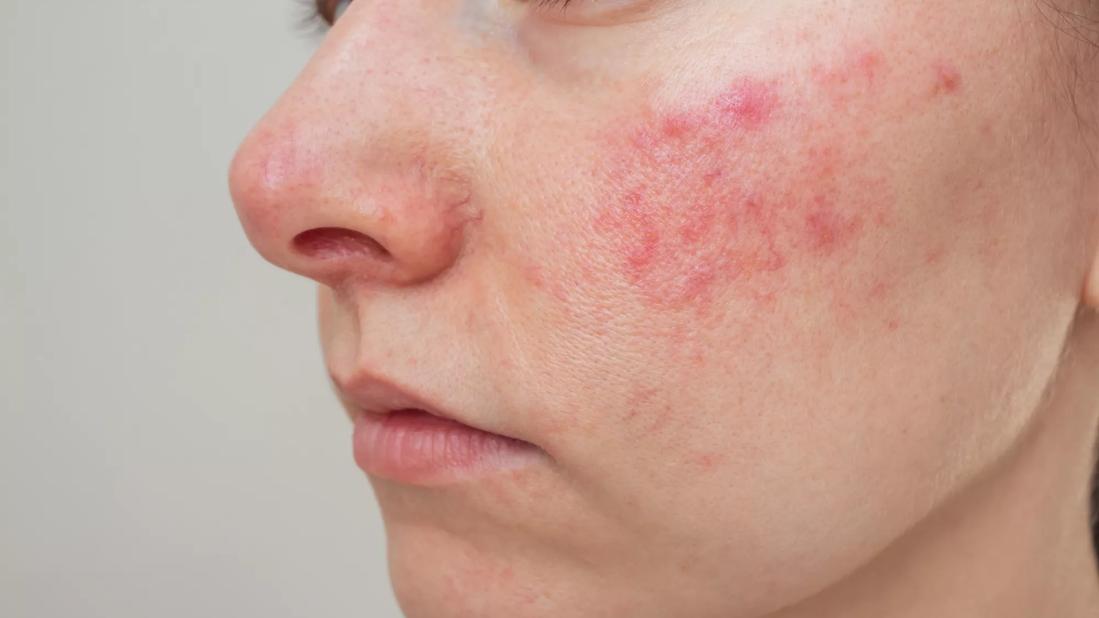
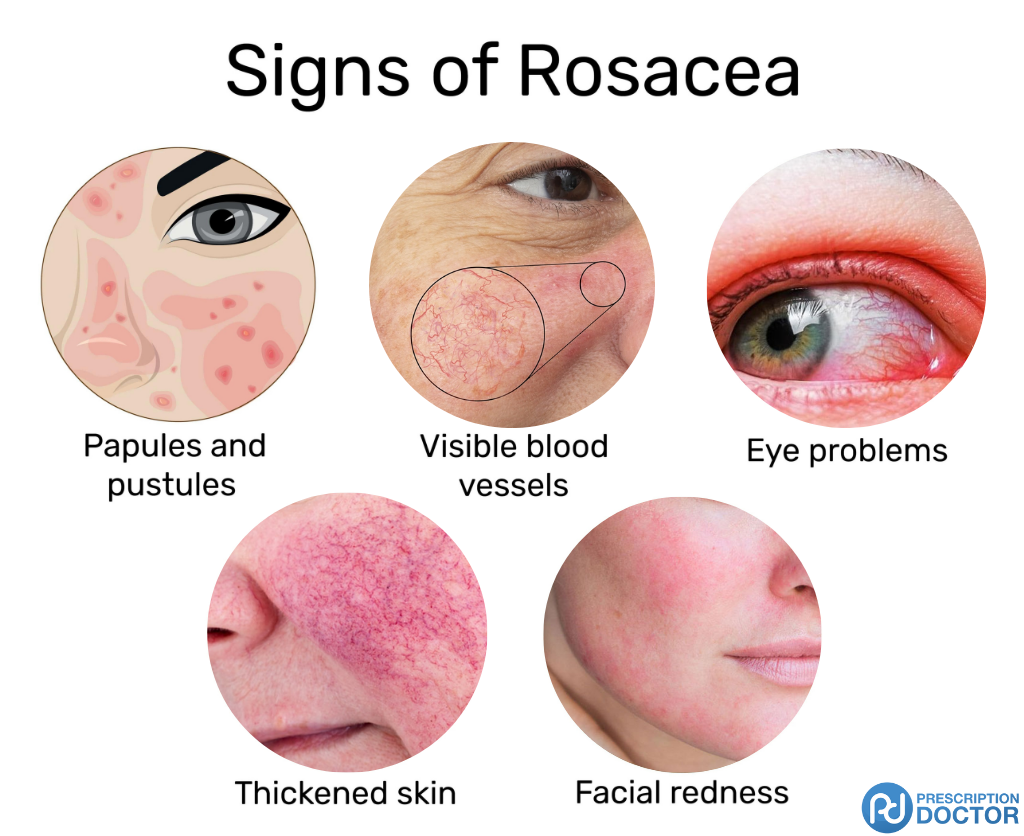
Rosacea is a long-term inflammatory skin condition. It often causes facial redness, flushing, visible blood vessels, bumps, and burning. Some people also develop rough, scaly, or peeling areas.
Rosacea does not always cause dry skin by itself. Instead, inflammation can weaken the skin barrier. This barrier is the outer layer that helps hold in water and keep out irritants. When it becomes damaged, moisture escapes more easily.
Common reasons for dry skin with rosacea include:
• Inflammation that disrupts the skin barrier
• Overwashing or using hot water
• Harsh soaps, scrubs, or alcohol-based toners
• Cold wind, dry indoor heat, or strong sun
• Rosacea treatments that cause early dryness or irritation
• A separate condition, such as eczema, contact dermatitis, or seborrheic dermatitis
Dryness can create a cycle. The skin becomes tight, so you apply more products. Some products sting or trigger redness, which leads to more irritation and even more dryness. Learning how to get rid of dry skin from rosacea starts with breaking this cycle gently.

How to get rid of dry skin from rosacea with a simple routine
A basic routine is often more helpful than a crowded shelf of products. Think of your skin barrier like a thin raincoat. Gentle care helps repair it, while scrubbing and strong ingredients can create more holes.
Morning routine
Start with a gentle cleanse, or simply rinse with lukewarm water if your skin is very dry. Use a fragrance-free cleanser made for sensitive skin. Avoid rubbing with a washcloth or cleansing brush.
Next, apply a moisturizer while your skin is still slightly damp. This helps trap water in the skin. Finish with a mineral or other sensitive-skin sunscreen with SPF 30 or higher.
A useful morning routine is:
- Rinse or cleanse gently.
- Pat your face dry with a soft towel.
- Apply a fragrance-free moisturizer.
- Use broad-spectrum sunscreen.
- Add a hat or seek shade during strong sun.
Evening routine
Remove makeup and sunscreen with a mild cleanser. Do not use hot water. Hot water may feel soothing at first, but it can increase redness and dryness later.
Apply moisturizer within a few minutes of cleansing. If certain areas crack or peel, ask a dermatologist whether a thin layer of petrolatum is suitable for those spots. Petrolatum helps reduce water loss, but it may feel too heavy for some people.
Use fewer products
When learning how to get rid of dry skin from rosacea, simplicity matters. Try using only a cleanser, moisturizer, and sunscreen for two to four weeks. Once your skin feels calmer, add one product at a time.
Patch-test new products on a small area near the jaw or behind the ear. Test for several days because rosacea reactions may not appear right away.
Choose moisturizers that support the skin barrier
The best moisturizer for rosacea-related dry skin is usually bland, fragrance-free, and made for sensitive skin. Creams and ointments tend to work better than light lotions when the skin feels tight or flaky.
Look for ingredients such as:
• Ceramides, which help support the skin barrier
• Glycerin, which draws water into the outer skin layer
• Hyaluronic acid, which can add hydration when used with a moisturizer
• Squalane, which can soften dry skin
• Dimethicone, which forms a protective layer
• Colloidal oatmeal, which may soothe mild irritation
You do not need every ingredient in one product. A short ingredient list is often a good choice.
Try to avoid products with:
• Fragrance or parfum
• Essential oils
• Menthol, camphor, or eucalyptus
• Alcohol denat or ethanol high on the ingredient list
• Scrubbing particles
• Strong acids
• Strong retinoids unless prescribed and supervised
• Foaming detergents that leave the skin tight
“Natural” does not always mean gentle. Tea tree oil, peppermint oil, citrus oils, and witch hazel may irritate rosacea-prone skin. A product can smell fresh and still be a poor choice for a sensitive face.
A practical lesson from many skincare routines is that people often switch products too fast. If a moisturizer feels comfortable, does not increase redness, and improves tightness over time, keep it simple. Give a new routine at least two weeks unless you develop burning, swelling, hives, or a strong rash.

Cleanse without stripping your skin
Cleansing removes sweat, oil, sunscreen, and pollution. However, too much cleansing can remove protective oils and worsen dry skin.
Follow these steps:
• Wash your face once at night and after heavy sweating.
• Use lukewarm water.
• Massage cleanser with clean fingertips for about 10 seconds.
• Rinse well without rubbing.
• Pat your skin dry.
• Apply moisturizer right away.
If your face feels squeaky clean after washing, the cleanser may be too strong. Healthy skin should feel comfortable, not tight or polished.
Micellar water can be useful for removing makeup, but rinse it if it leaves a film or causes irritation. Avoid makeup wipes when possible. They often require repeated rubbing and may contain fragrance or preservatives that bother sensitive skin.

Protect dry rosacea skin from common triggers
Trigger control is a major part of learning how to get rid of dry skin from rosacea. Triggers vary, so keep a simple diary for two to four weeks. Write down foods, weather, products, stress, exercise, and symptoms.
Common triggers include:
• Sun exposure
• Hot weather or sudden temperature changes
• Cold wind
• Hot drinks
• Spicy foods
• Alcohol
• Stress
• Intense exercise
• Fragrance and irritating skincare products
You do not need to avoid every possible trigger. That can make daily life stressful and may not be necessary. Focus on patterns that clearly affect you.
For outdoor protection, use a wide-brimmed hat, sunglasses, shade, and broad-spectrum sunscreen. Mineral sunscreens with zinc oxide or titanium dioxide may feel more comfortable for some people, although every formula is different.
During winter, cover your cheeks with a soft scarf when outdoors. At home, a humidifier may help if indoor heating makes the air very dry. Clean the humidifier often to prevent mold and bacteria.

Check whether your rosacea treatment is causing dryness
Some prescription treatments can cause dryness, stinging, or peeling when you first start them. This does not always mean the treatment is wrong. It may mean your skin needs a slower schedule or more barrier support.
Do not stop a prescribed medicine without speaking with the prescriber. Ask about:
• Using a smaller amount
• Applying it less often
• Waiting until the skin is fully dry before applying it
• Using moisturizer before or after the medicine
• Switching to a different formula
• Treating one area at a time
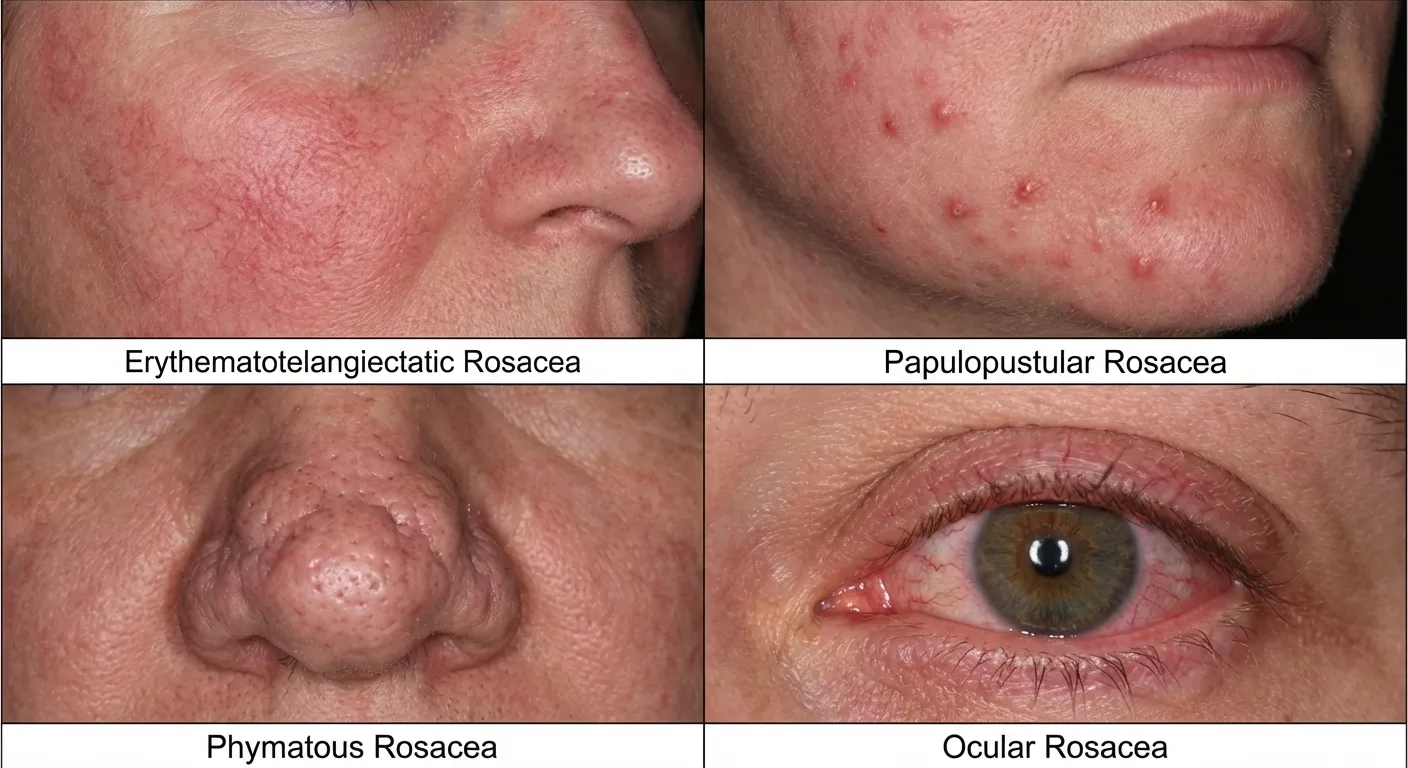
Some rosacea medicines reduce inflammation, redness, or bumps. Others target visible blood vessels. Treatment depends on the rosacea subtype and your symptoms.
A dermatologist may recommend options such as topical metronidazole, azelaic acid, ivermectin, brimonidine, oxymetazoline, or oral treatment. These medicines have different benefits and side effects. Azelaic acid, for example, may help some people but can sting sensitive skin at first.
The right answer to how to get rid of dry skin from rosacea is not always a stronger moisturizer. Sometimes the key is adjusting a treatment that is irritating the skin barrier.

What to do when your skin is peeling or burning
Peeling skin can tempt you to exfoliate. Resist that urge. Scrubbing may remove flakes for a short time, but it can increase inflammation and make the barrier weaker.
Instead:
• Stop exfoliating acids and scrubs.
• Use a gentle cleanser or rinse with water.
• Apply a plain cream two or more times daily.
• Protect the area from wind and sun.
• Avoid picking or pulling loose skin.
• Pause new products until the area settles.
If moisturizer burns for more than a few minutes, stop using it and try a simpler formula. Burning, swelling, blisters, or spreading redness may signal contact dermatitis or another problem.
A cool, clean compress may calm discomfort. Do not apply ice directly to the skin. Also avoid home remedies such as lemon juice, apple cider vinegar, baking soda, or undiluted oils. These can cause chemical irritation.

When to see a dermatologist
See a healthcare professional if dryness lasts more than a few weeks despite gentle care. You should also seek advice if your skin cracks, bleeds, develops yellow crusts, or becomes painful.
A dermatologist can check whether rosacea is the only cause. Similar symptoms may come from eczema, psoriasis, seborrheic dermatitis, allergic contact dermatitis, or infection.
Seek prompt medical care for:
• Eye pain, light sensitivity, blurred vision, or a gritty feeling
• Rapid facial swelling
• Trouble breathing after using a product
• Pus, spreading warmth, or severe tenderness
• Sudden changes that do not match your usual rosacea
Rosacea can affect the eyes. Eye symptoms need medical attention because untreated ocular rosacea may damage the eye surface.
Professional care is especially helpful when dryness began after a new medication. A clinician can balance rosacea control with skin comfort instead of asking you to tolerate ongoing irritation.
Common mistakes that make rosacea dryness worse
Many people search for how to get rid of dry skin from rosacea and immediately buy a thick mask or exfoliating treatment. That approach can backfire.
Avoid these common mistakes:
• Using hot water to “open the pores”
• Scrubbing flakes away
• Applying many new products at once
• Changing treatment every few days
• Using fragrance to make a product smell pleasant
• Applying steroid cream to the face without medical guidance
• Skipping sunscreen because the skin feels dry
• Treating all redness as simple dryness
Topical steroid creams may reduce redness for a short time, but unsupervised use on the face can worsen rosacea or cause steroid-related skin changes. Use them only as directed by a healthcare professional.
Another mistake is judging a product after one use. Some products feel rich but contain irritants. Others need several days to improve comfort. Keep notes, change one thing at a time, and stop any product that causes clear worsening.
A practical seven-day plan
If you feel overwhelmed, use this simple plan. It is not a replacement for medical treatment, but it can help you reset your routine.
Days one and two
Use only a gentle cleanser, a plain moisturizer, and sunscreen. Avoid makeup if it causes rubbing or stinging.
Days three and four
Continue the same routine. Apply moisturizer after washing and again whenever the skin feels tight. Keep a note of burning, redness, flakes, and comfort.
Days five and six
Review possible triggers. Think about sun, heat, alcohol, spicy foods, stress, and recent product changes. Do not remove many foods unless you see a clear pattern.
Day seven
Decide whether your skin feels calmer. If it does, continue the routine for several more weeks. If it does not, or if symptoms are worsening, arrange a dermatologist visit.
This steady approach is often more useful than searching for a miracle cure. Skin barriers heal through repeated gentle care, much like dry soil improves with regular water rather than one heavy storm.
Frequently asked questions about how to get rid of dry skin from rosacea
What is the fastest way to relieve rosacea-related dry skin?
Apply a fragrance-free cream to slightly damp skin and avoid hot water, scrubs, and irritating products. If the dryness is severe, painful, or persistent, ask a dermatologist for an evaluation.
Should I exfoliate dry skin caused by rosacea?
Usually, no. Exfoliation can increase burning, redness, and barrier damage, especially during a flare. Focus on moisturizing and let loose flakes shed naturally.
Is petroleum jelly safe for rosacea?
Petroleum jelly is generally a gentle barrier ointment and may reduce water loss from very dry areas. Use a thin layer and stop if it feels uncomfortable or seems to worsen bumps.
Can rosacea cause flaky skin around the nose?
Yes, rosacea inflammation and a damaged skin barrier can cause flaking around the nose. Seborrheic dermatitis can look similar, so persistent scaling may need a professional diagnosis.
Should I stop my rosacea medicine if my skin becomes dry?
Do not stop a prescribed medicine without asking the prescriber. They may suggest less frequent use, a different product, or a moisturizer plan that reduces irritation.
Does drinking more water cure rosacea dryness?
Adequate fluid intake supports overall health, but drinking extra water alone does not repair the skin barrier or cure rosacea. Moisturizer, trigger control, sunscreen, and appropriate treatment are usually more important.
Can sunscreen help dry rosacea skin?
Sunscreen helps prevent ultraviolet light from triggering rosacea flares and further barrier damage. Choose a fragrance-free formula made for sensitive skin and apply moisturizer underneath if needed.
Conclusion
Dry skin from rosacea often improves when you protect the skin barrier instead of attacking the flakes. Use a gentle cleanser, apply a rich fragrance-free moisturizer, wear sunscreen, avoid known triggers, and adjust irritating treatments with professional guidance.
The best approach to how to get rid of dry skin from rosacea is steady and simple. Start with the seven-day reset, track your symptoms, and arrange dermatology care if the dryness persists or your eyes become involved. Share your experience with a healthcare professional and explore trusted rosacea resources for personalized support.
