
Keep routines light, boost volume, protect strands, and prioritize scalp health for lasting lift.
I’ve spent years helping clients and testing routines to learn how to care for fine hair. This guide breaks down practical steps, product advice, styling methods, and lifestyle tips you can use today. You’ll get clear, tested advice on how to care for fine hair so it looks fuller, feels stronger, and lasts longer.

Understanding fine hair: what it is and why it behaves differently
Fine hair refers to the diameter of each strand. Fine strands are thin. They can be strong or fragile. Many people confuse fine hair with thin hair. Thin hair means fewer strands on the head. You can have fine hair and a full head, or fine hair and thinning.
Common causes of fine hair include genetics, age, hormones, diet, and certain medical conditions. Fine hair tends to lie flat close to the scalp. It loses volume fast. It also tangles and breaks more easily.
Signs you have fine hair
- Strands that feel thin between fingers.
- Styles that fall flat within hours.
- Breakage at combed or brushed areas.
Why understanding this matters: when you know your hair is fine, you can choose lighter products, gentler tools, and targeted cuts. That makes caring for fine hair much easier and more effective.

Daily care routine: simple steps that protect and add body
Caring for fine hair is about balance. You want clean roots, moisturized ends, and no heavy buildup.
Shampoo and cleanse
- Use a gentle, volumizing shampoo two to three times a week or as needed.
- Focus shampoo on the scalp. Rinse thoroughly to avoid residue.
- Avoid heavy, creamy shampoos that weigh hair down.
Condition correctly
- Apply a lightweight conditioner from mid-length to ends only.
- Leave the conditioner on for a short time, then rinse with cool water to seal the cuticle.
- Use deep conditioning once every two weeks at most, and choose a formula for fine hair.
Drying and brushing
- Pat hair dry with a soft towel. Do not rub hard.
- Detangle with a wide-tooth comb while hair is damp.
- Blow-dry with a nozzle at low to medium heat. Lift at the roots with your fingers or a round brush.
Styling basics
- Use a pea-size amount of lightweight mousse or root lifter at the roots on damp hair.
- Choose water-based styling sprays over heavy creams.
- Limit products that add oil or thick film to the hair shaft.
These small habits are the backbone of how to care for fine hair daily. They keep strands light and manageable while reducing breakage.

Best products and key ingredients to look for
Products matter more for fine hair. Choose items that add volume without weight.
Shampoo and conditioner suggestions
- Volumizing or clarifying shampoos that remove buildup.
- Lightweight conditioners with panthenol or hydrolyzed proteins.
- Avoid heavy oils and rich butters near the roots.
Key ingredients that help fine hair
- Panthenol (pro-vitamin B5) — adds shine and light body.
- Hydrolyzed proteins (wheat, silk) — temporarily thicken each strand.
- Lightweight silicones (in low amounts) — smooth without heavy residue.
- Niacinamide and caffeine — can help scalp health and circulation.
Avoid these if you have fine hair
- Heavy oils at the scalp, like castor or avocado oil in leave-in form.
- Thick butters and rich creams that flatten volume.
- High-alcohol products that dry and damage hair.
When shopping, read labels for words like lightweight, volumizing, and weightless. Those tend to suit fine hair best.

Haircuts and styling that make fine hair look fuller
The right cut changes everything. Fine hair benefits from shape and movement.
Cutting tips
- Short to medium lengths often look fuller than very long hair.
- Blunt ends create the illusion of thickness.
- Soft layers add body without removing too much weight.
- Avoid long, single-length styles that pull hair down.
Styling tips
- Use a round brush to lift at roots while blow-drying.
- Try root-lifting sprays before drying.
- Backcomb lightly at the crown for short-term volume; protect with a light hairspray.
- Avoid heavy straightening oils and thick serums.
Tools and heat
- Use a quality blow-dryer with adjustable heat.
- Keep iron temperature under 350°F (175°C) for fine hair.
- Use a heat protectant every time you style.
A good stylist who understands fine hair can recommend a cut that amplifies volume and reduces breakage. Regular trims every 6 to 8 weeks keep ends healthy and full-looking.

Color, chemical services, and heat: safe approaches for fine hair
Chemical services can work with fine hair if done carefully. The goal is to add tone or depth without damaging strands.
Coloring tips
- Choose gentle, low-damage options like demi-permanent dyes when possible.
- Ask your colorist for face-framing highlights rather than all-over lightening.
- Space chemical services to give hair time to recover.
Perms and relaxers
- Perms add texture and volume but can stress fine hair. Test a small section first.
- Relaxers and strong straightening treatments can thin strands over time. Proceed with caution.
Heat styling best practices
- Use a thermal protectant spray before any hot tool.
- Limit heat styling to 2–3 times per week.
- Let hair cool after styling to set volume and reduce damage.
Trust experienced pros and do patch tests. Clinical studies show that repeated chemical stress raises breakage risk, so weigh the benefits and keep care gentle.

Nutrition, supplements, and scalp health
Good hair starts from the inside. A steady, balanced diet supports stronger strands.
Key nutrients
- Protein — the building block of hair.
- Iron — low iron can increase shedding.
- Zinc and selenium — support scalp health.
- Omega-3 fatty acids — help scalp moisture.
- B vitamins and biotin — often linked to hair strength.
Supplements and safety
- Consider a multivitamin if your diet lacks nutrients.
- Biotin can help some people, but it is not a cure-all.
- Consult your provider before starting supplements or if you suspect a deficiency.
Scalp care
- A healthy scalp supports healthy hair growth.
- Keep the scalp clean and avoid heavy buildup from oils and silicones.
- Massage the scalp to boost blood flow and relax tight muscles.
Lifestyle factors
- Manage stress; it affects hair cycles.
- Sleep and hydration help hair renewal.
- Avoid tight hairstyles that pull on fragile roots.
Taking these steps complements topical care and helps when you’re learning how to care for fine hair the smart way.

Common problems and practical fixes
Fine hair has a set of recurring issues. Here’s how to handle them simply.
Oily roots but dry ends
- Shampoo more often at the scalp and use conditioner only on ends.
- Try a lightweight scalp tonic for balance.
Flatness and lack of volume
- Use root-lifting sprays and blow-dry with lift at the roots.
- Choose a blunt cut or soft layers to create fullness.
Breakage and split ends
- Use gentle brushes and detangle damp hair slowly.
- Trim regularly and avoid tugging at knots.
Tangles and frizz
- Use a leave-in detangler on the mid-lengths and ends.
- Limit heavy serums that weigh hair down.
Thinning or shedding
- Track patterns and talk to a doctor if shedding is sudden or heavy.
- Scalp treatments and gentle techniques can reduce stress on follicles.
These fixes are practical. They work together to improve how fine hair looks and feels over time.
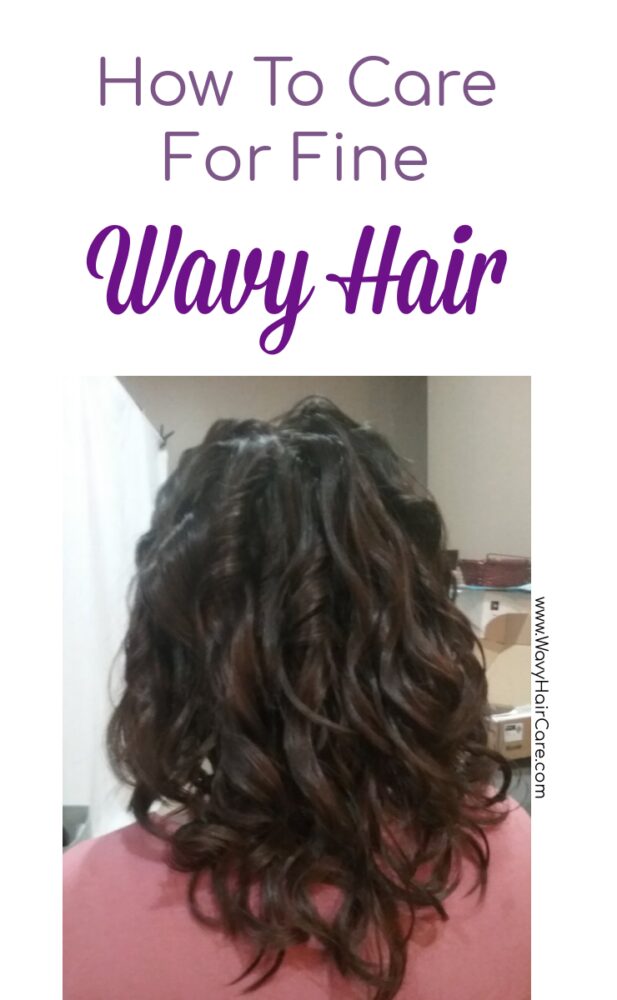
My experience: lessons I learned caring for fine hair
I’ve worked with many clients and tried many products. I learned a few clear lessons.
What worked
- Shorter, blunt cuts gave the most instant volume.
- Lightweight mousses and root sprays outperformed thick creams.
- Heat protection every time kept strands resilient.
Mistakes to avoid
- Using heavy oils on the scalp. That flattened hair in hours.
- Over-washing. Too much cleansing made strands frizz and break.
- Trusting one product for everything. Fine hair needs tailored choices.
A simple routine I recommend
- Gentle volumizing shampoo 2–3 times a week.
- Lightweight conditioner on ends.
- Root-lifting product on damp hair, then blow-dry with a round brush.
- Trim every 6–8 weeks.
These are tactics I’ve used and seen succeed. They make managing how to care for fine hair simple and reliable.
Frequently Asked Questions of how to care for fine hair
How often should I wash fine hair?
Wash fine hair 2–3 times a week or as needed. If your scalp gets oily fast, use a gentle shampoo more often but avoid heavy conditioners on the roots.
Can I use oils on fine hair?
Use oils sparingly and only on mid-lengths to ends. Avoid applying thick oils at the scalp because they weigh hair down and flatten volume.
Which haircuts work best for fine hair?
Short to medium blunt cuts and soft layers create fuller shape. Regular trims keep ends looking dense and healthy.
Will coloring make my fine hair worse?
Color can stress fine hair if overdone. Choose gentle formulas, space treatments, and use rebuilding products to protect hair strength.
Are supplements helpful for fine hair?
Supplements can help if you have a deficiency. Check with your healthcare provider before starting any supplement for hair.
How do I add volume without heat?
Try root-lifting sprays, mousse on damp hair, and strategic layering. Dry shampoo at roots can also lift hair between washes.
Conclusion
Fine hair responds well to smart, light-handed care. Keep products lightweight, choose cuts that add shape, protect from heat, and support your scalp with good nutrition. Start with one change this week — try a volumizing shampoo or a slightly shorter trim — and watch how small shifts add up.
If you found this useful, try the routine for a month and share your results. Subscribe for more tips, leave a comment with your hair type, or ask a question — I’ll help you tailor how to care for fine hair to your unique needs.
