
For people in the United States, nano brows are often the most natural-looking cosmetic eyebrow procedure because they use a fine machine-made hair-stroke technique instead of a solid block of pigment. The result can look like real brow hairs when the shape, color, and stroke pattern suit your face.
There is one important exception: an eyebrow transplant creates the most natural texture because it uses your own living hair. However, it is surgery, costs more, requires a donor area, and needs regular trimming because transplanted scalp hair keeps growing.
The best choice depends on your skin type, existing brow hair, desired upkeep, budget, and how permanent you want the result to be.

The Short Answer: Nano Brows Usually Look the Most Natural
Nano brows are usually the best cosmetic tattoo option for a realistic, hair-like finish. A trained artist uses a digital machine to place very fine strokes into the skin. These strokes can follow the direction of your natural brow hair and fill small gaps without creating a heavy makeup look.
Nano brows may suit people who:
- Have thin or sparse eyebrows
- Want to fill small gaps
- Prefer a soft, hair-like result
- Have oily or mature skin, where traditional microblading may blur more easily
- Want less daily brow makeup
Nano brows are not the same as microblading. Both can create hair strokes, but the tools and methods differ.
Nano brows compared with microblading
| Procedure | How pigment is placed | Typical look | Skin considerations | Main limitation |
|---|---|---|---|---|
| Nano brows | A digital machine creates fine strokes | Soft, realistic hair strokes | Often more adaptable to oily or mature skin | Needs a highly skilled artist |
| Microblading | A hand tool makes small cuts in the skin | Hair-like strokes | May not hold as well in oily or thin skin | Strokes can blur or merge |
| Powder brows | A machine creates tiny points of pigment | Soft brow makeup or powder | Often works well for oily skin | Less like individual hairs |
| Combination brows | Hair strokes plus shaded pigment | Defined front with more fullness | Useful for sparse brows | Can look too bold if overdone |
| Eyebrow transplant | Follicles are surgically moved | Real growing brow hair | Requires suitable donor hair | Surgical risks and ongoing trimming |
The word “natural” can mean two different things. It may mean natural-looking pigment, or it may mean real hair that grows from the skin. Nano brows lead in the first category. Eyebrow transplants lead in the second.
How Nano Brows, Microblading, and Other Options Differ
The procedure that looks most natural depends on the amount of brow hair you have and the finish you want. A person with some existing brow hair may get a very realistic result from nano strokes. Someone with almost no brow hair may need shading to prevent the brows from looking too thin.
Nano brows
Nano brows use a permanent makeup machine with a very fine needle. The artist draws individual strokes that mimic the direction and spacing of brow hairs.
A good result should have:
- Uneven, natural-looking spacing
- A lighter brow front
- Gradual fullness toward the arch and tail
- Color that fits your hair and skin tone
- No harsh outline around the brow
Nano brows are still a form of cosmetic tattooing. They are not temporary makeup, even though the color usually softens over time.
Microblading
Microblading uses a manual blade to place pigment into the upper layers of skin. It can look very natural soon after healing, especially on normal to dry skin with enough existing brow hair.
The concern is that repeated strokes may spread or blur as the skin heals. This may happen more often with oily skin, large pores, frequent sun exposure, or poor technique. The final result also depends on how deeply the pigment enters the skin.
Powder brows
Powder brows create a shaded effect rather than separate hair strokes. The front can be made light and soft, while the arch and tail become more defined.
Powder brows may be the better choice if you:
- Wear brow makeup often
- Have oily skin
- Want a fuller, more polished brow
- Have very little natural brow hair
- Prefer a makeup effect over a feathered effect
They can still look natural when the artist uses a soft gradient. A solid, dark block is more likely to look artificial.
Combination brows
Combination brows combine hair strokes with powder shading. The front may show fine strokes, while the middle and tail receive light shading.
This option can work well for people with sparse brows who want both texture and fullness. It may be less suitable if your main goal is an almost invisible enhancement.
Eyebrow transplant
An eyebrow transplant moves hair follicles, often from the scalp, into the brow area. The transplanted hair grows like normal hair, so it has real texture and movement.
This makes a transplant the closest option to natural eyebrow hair. But it also means:
- The procedure involves surgery
- The hair may need frequent trimming
- The direction of growth must be planned carefully
- Results depend on follicle survival and donor hair quality
- Scarring, infection, and other surgical risks are possible
A transplant is not automatically better. It is a more complex choice for people with substantial hair loss, scars, burns, or a long-term need for brow restoration.
What Makes an Eyebrow Procedure Look Natural?
The artist matters more than the procedure name. A skilled provider can make powder brows soft and realistic, while poor nano brows can look stiff or overly dark.
Natural results usually depend on six factors.
1. Brow design
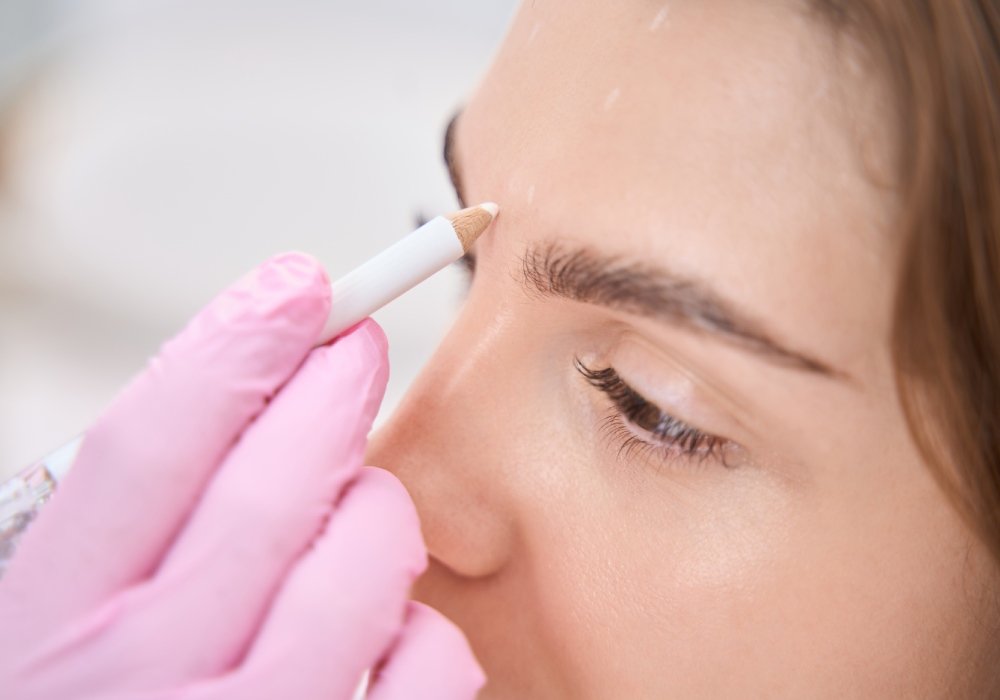
The brow should match your facial structure rather than copy a trend. The artist should assess your natural brow position, eye shape, forehead, and muscle movement before drawing the outline.
Ask to see the proposed shape before any pigment is placed. View it while sitting upright and with your face relaxed.
2. Stroke direction
Real brow hairs do not all point in one direction. They change direction near the front, arch, and tail.
A natural design uses different stroke angles in these areas. Repeating the same curved mark across the whole brow often creates an artificial look.
3. Color choice
Pigment should be selected for your natural hair, skin tone, and undertone. A shade that looks correct in the bottle may heal differently in the skin.
Very dark or highly saturated pigment can appear harsh at first. It may also be harder to correct later. A conservative color choice is usually easier to adjust than an overly dark one.
4. Pigment depth
Pigment placed too deeply may spread, scar, or change color. Pigment placed too shallowly may fade quickly or heal unevenly.
This is one reason training and technique matter. A portfolio photo cannot show how deep the pigment was placed, but healed photographs can provide useful evidence.
5. Existing brow hair
Procedures tend to look more realistic when pigment blends with your own hair. If you have no brow hair, the artist must create the illusion of density through shape, spacing, and shading.
A full set of hair strokes on bare skin may look less convincing than a soft combination technique.
6. Healing and maintenance
Fresh permanent makeup often looks darker and sharper than the healed result. Skin can also become red, swollen, flaky, or uneven during recovery.
Do not judge the final appearance in the first few days. Follow the provider’s aftercare instructions and attend a touch-up only when the skin has healed and the provider recommends it.

Which Procedure Is Best for Your Skin Type?
Skin type can change the recommendation, but it does not create a universal rule. A consultation should include an assessment of oil production, pore size, skin thickness, scars, previous pigment, and sensitivity.
| Skin or brow concern | Option often worth discussing | Why |
|---|---|---|
| Normal to dry skin with natural brow hair | Nano brows or microblading | Hair strokes may blend well |
| Oily skin or large pores | Nano brows or powder brows | Machine work or shading may hold more evenly |
| Very sparse brows | Combination or powder brows | Shading can create needed density |
| Mature or thin skin | Nano or soft powder brows | Manual cuts may be less suitable for fragile skin |
| Previous permanent makeup | Correction, lightening, or removal consultation first | New pigment may not cover old color cleanly |
| Scars in the brow | Individual assessment | Scar tissue may hold pigment unevenly |
| Complete hair loss | Transplant or carefully planned cosmetic tattoo | The right choice depends on cause, health, and goals |
These are starting points, not medical rules. Skin varies widely, and a qualified provider should explain why a method fits your case.
When microblading may not be the best choice
Microblading may be a poor fit when the skin is very oily, thin, sun-damaged, or scarred. The manual blade can also create more skin trauma than some machine-based methods.
That does not mean every person with oily skin must avoid microblading. It means you should ask for healed results on clients with skin similar to yours.

How to Choose a Provider for Natural-Looking Brows
Choose the provider by reviewing healed work, safety practices, and communication—not just fresh photos on social media.
Use this checklist before booking:
- Review healed photos. Look for images taken several weeks or months after treatment, not only immediately after the appointment.
- Ask about training. Confirm specific training in the procedure you want.
- Check state requirements. Permanent makeup rules vary across the United States. Some states regulate practitioners through tattoo, body art, cosmetology, or health departments.
- Ask about licensing and inspection. Your provider should be able to explain which local rules apply to the studio.
- Confirm sterile practice. Needles and other single-use items should come from sealed packages and be opened for you.
- Ask how pigments are recorded. The provider should be able to identify the pigment brand, color, and lot information.
- Discuss medical history. Tell the provider about allergies, skin conditions, medications, pregnancy, immune problems, and past reactions.
- Request a shape consultation. The artist should draw and discuss the design before treatment.
- Ask about corrections. Find out what happens if the healed color or shape is not as expected.
- Avoid pressure. A trustworthy provider should allow time for questions and should not push you to book immediately.
The U.S. Food and Drug Administration explains that permanent makeup is a type of tattooing and that adverse reactions can occur. The FDA also notes that tattoo inks and pigments can create safety concerns, including infection and allergic reactions. State and local rules provide another layer of oversight, but licensing does not guarantee a specific cosmetic result.
Risks, Contraindications, and Safety Limits
Permanent makeup can cause infection, allergic reactions, irritation, scarring, pigment changes, or an unwanted shape. Removal can be difficult, costly, and incomplete.
Before treatment, ask a health professional and the provider about your situation if you have:
- An active rash, acne flare, eczema, or infection near the brows
- A history of keloid or raised scars
- A known allergy to tattoo ink, makeup, latex, or topical anesthetics
- A condition or medicine that affects bleeding or healing
- A weakened immune system
- Recent surgery, chemotherapy, or radiation near the brow area
- A history of cold sores if a procedure may affect nearby skin
- Pregnancy or breastfeeding concerns
Do not stop a prescribed medicine without medical advice. Also, do not assume a “natural” or “organic” pigment is risk-free. Plant-based and mineral-based products can still cause reactions.
Seek medical care for spreading redness, severe pain, pus, fever, worsening swelling, or other signs of infection. A normal healing process can include mild redness, tenderness, flaking, and temporary color changes, but symptoms that worsen need attention.

How Long Do Natural-Looking Brow Procedures Last?
Nano brows, microblading, powder brows, and combination brows are commonly described as semi-permanent. That term can be misleading. The pigment may fade, but it may not disappear completely.
How long the result remains visible depends on:
- Pigment type and color
- Skin oil production
- Sun exposure
- Skin treatments
- Immune response
- Technique and pigment depth
- Aftercare
- Whether previous pigment is present
Sun protection can help reduce fading and color change. Follow the provider’s instructions about washing, sweating, swimming, makeup, and skin products during healing.
Do not schedule aggressive exfoliation, laser treatments, or strong chemical treatments near the brows without asking a qualified professional first. Some skin procedures can affect cosmetic tattoo pigment.

Common Mistakes That Make Brows Look Less Natural
The most common mistake is choosing a procedure from a trend photo instead of matching it to your skin and existing hair.
Other mistakes include:
- Selecting a provider based only on the lowest price
- Looking only at fresh results
- Choosing brows that are too dark or too wide
- Asking for identical brows when natural brows are not perfectly symmetrical
- Skipping the consultation
- Booking over old pigment without an assessment
- Expecting the procedure to replace all brow maintenance
- Judging the result before healing is complete
- Ignoring aftercare instructions
- Assuming removal will be easy
A natural brow is not always perfectly symmetrical. Small differences often look more believable than two identical, sharply drawn brows.

A Simple Decision Guide
Use this guide as a starting point:
- You want the most realistic cosmetic tattoo: Ask about nano brows.
- You have normal or dry skin and some brow hair: Nano brows or microblading may work.
- You have oily skin: Ask about nano brows or soft powder brows.
- You have very sparse brows: Consider combination or powder brows.
- You want real growing hair: Consult a qualified eyebrow transplant surgeon.
- You already have old brow tattoo pigment: Get an in-person assessment before adding more pigment.
- You want a low-commitment change: Try brow tinting, pencils, gels, or temporary fibers first.
If you are unsure, test the shape with makeup or a temporary brow mapping session. This can reveal whether the proposed width, arch, and tail suit your face before you choose a long-lasting procedure.

Frequently Asked Questions
Are nano brows better than microblading?
Neither is better for everyone. Nano brows may offer more flexibility for oily, mature, or delicate skin because the artist uses a machine rather than a manual blade. Microblading may look very natural on suitable skin with enough existing brow hair. Healed examples matter more than the label alone.
Do nano brows look like real hair?
They can look like real hair when the strokes are fine, varied, correctly spaced, and blended with your natural brows. Results may look less realistic when the strokes are too dark, too uniform, too deep, or placed over bare skin without enough density.
What is the most natural permanent eyebrow option?
An eyebrow transplant creates real hair and therefore has the most natural texture. Nano brows are usually the most natural-looking non-surgical tattoo option. A transplant requires surgery and regular trimming, while nano brows require color maintenance and may eventually need refreshing.
Can permanent eyebrow makeup be removed?
Removal may be possible with laser, saline, or other methods, depending on the pigment and skin. Complete removal is not guaranteed. Some pigments can change color during treatment, and multiple sessions may be needed. A qualified removal specialist should assess the pigment before treatment.
How do I know if an eyebrow artist is safe?
Ask about applicable U.S. state or local licensing, infection-control practices, single-use needles, pigment records, training, and healed results. The provider should also perform a consultation and explain risks, aftercare, and correction options.
Conclusion
For most people seeking cosmetic tattooing, nano brows are the leading choice for the most natural-looking eyebrow result. They can create fine strokes that blend with existing brow hair and avoid the solid makeup effect of poorly done powder brows.
If you want actual hair growth, an eyebrow transplant is the most natural in texture, but it is a surgical procedure with more cost, care, and risk.
The safest next step is to book a consultation with a properly trained U.S. provider, review healed results on similar skin, and approve the brow shape before any pigment is placed.
