
Keep relaxed hair healthy with gentle care, regular trims, deep moisture, and balanced protein.
I’ve helped clients and friends keep relaxed hair strong and shiny for years. This guide on how to care for relaxed hair walks you through the why and the how. You’ll get clear routines, product choices, damage signs, styling tips, and real-life mistakes I’ve learned from. Read on to learn practical steps you can use today to protect your relaxed hair and grow it longer.

Understanding relaxed hair: what it is and why care matters
Relaxed hair is chemically altered to loosen tight curls. The relaxer breaks and re-formats some hair bonds to create straighter strands. This change makes hair more fragile. That is why knowing how to care for relaxed hair is essential.
Relaxers change texture and porosity. This raises the need for gentle care. Heat, harsh brushing, and skipping trims can cause breakage. When you learn how to care for relaxed hair, you reduce breakage and keep hair soft and shiny. I’ve seen clients double their length retention by following simple routines.
Key reasons to focus on care
- Prevent breakage by strengthening weak areas.
- Maintain moisture balance so hair stays flexible.
- Protect the scalp from irritation and chemical stress.
- Keep styles looking fresh and relaxed longer.
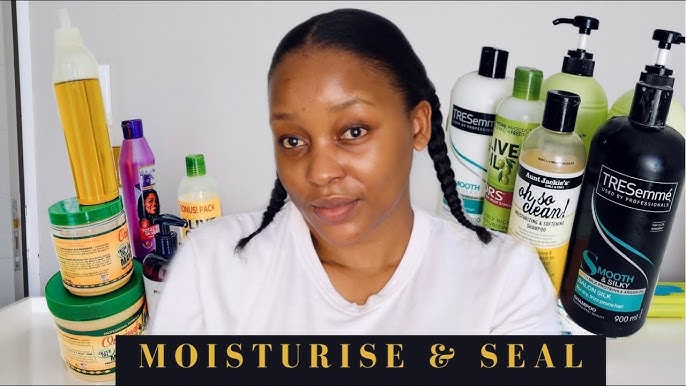
Daily and weekly routine: simple steps for healthy relaxed hair
A clear routine makes how to care for relaxed hair easy and reliable. Use short, repeatable steps.
Daily habits
- Sleep on a satin or silk pillowcase or use a satin scarf to reduce friction.
- Moisturize lightly each morning with a water-based spritz. Seal with a light oil or cream.
- Avoid tight hairstyles that tug on the roots.
Weekly habits
- Co-wash or shampoo every 7 to 10 days depending on oiliness and product buildup.
- Deep condition once a week with a hydrating mask or a protein-balanced treatment.
- Detangle gently with a wide-tooth comb or fingers while hair is saturated with conditioner.
Practical tip from experience
When I started caring for relaxed hair professionally, I learned that many people over-wash. Less frequent washing preserved natural oils and reduced dryness. Find the wash cadence that fits your scalp and lifestyle.

Washing, conditioning, and deep treatments
How you wash and condition defines much of how to care for relaxed hair. Use gentle techniques and targeted products.
Shampoo choices
- Use sulfate-free or low-sulfate shampoos to avoid stripping moisture.
- Clarify only when needed to remove heavy buildup. Do a clarifying shampoo once a month or less.
Conditioning and deep treatments
- Use a rich conditioner every wash. Let it sit 3 to 10 minutes.
- Deep condition weekly. Choose masks with hydrolyzed proteins and humectants like glycerin.
- Rotate a protein treatment with a moisturizing treatment. Too much protein makes hair stiff; too little leads to limp strands.
How to detangle safely
- Detangle in the shower with conditioner on wet hair.
- Start at the ends and work toward the roots.
- Use wide-tooth combs or fingers to minimize breakage.

Protein vs moisture: balancing for strong relaxed hair
Relaxed hair needs both protein and moisture. The right balance prevents breakage and limp hair.
Signs you need protein
* Hair stretches too much and snaps back thin.
- Lots of breakage after combing.
Signs you need moisture
- Hair feels dry, brittle, and rough.
- Frequent static and tangling.
How to balance
- Use a protein treatment every 6 to 8 weeks or as needed.
- Use moisturizing masks weekly.
- Observe hair response. Adjust frequency rather than following one rule.
Personal note
I once overused protein treatments on a client. Her hair became stiff and broke. We switched to moisturizing treatments and gentler protein doses. The hair recovered and gained elasticity.

Styling, heat, and protective styles
Styling choices matter in how to care for relaxed hair. Be mindful of heat and tension.
Heat styling
- Use heat protectant every time before heat styling.
- Set flat irons at the lowest effective temperature, usually 300–350°F for relaxed hair.
- Limit heat styling to occasional use, not daily.
Protective styles
- Low-tension styles like loose buns, braids, and twist-outs protect ends.
- Avoid heavy extensions and tight weaves that stress edges.
- Change styles every few weeks and give your hair rest periods.
Blow-drying tips
- Use a blow dryer with a comb attachment or use tension blow-drying with medium heat.
- Keep the dryer moving to avoid hot spots.
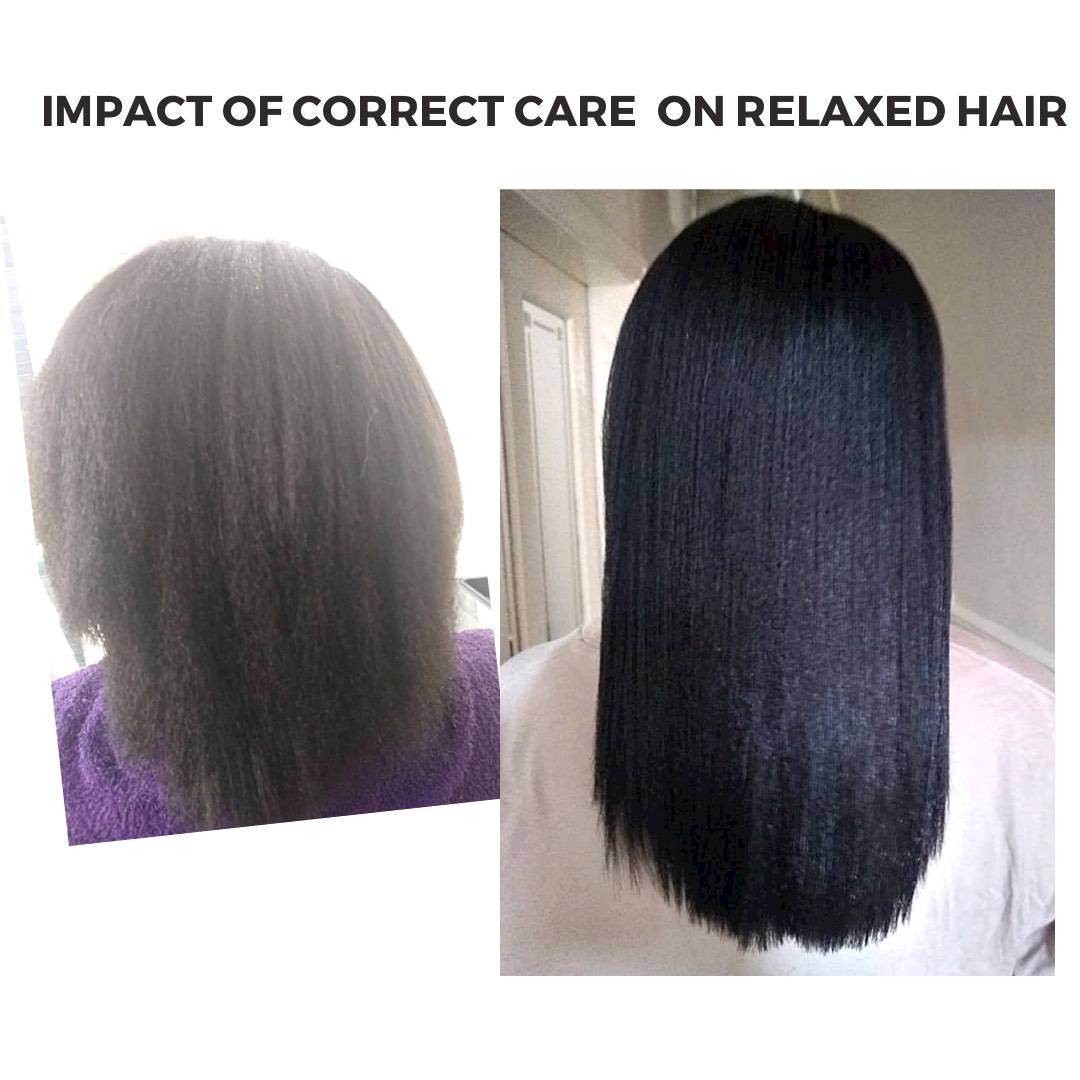
Trimming, split ends, and growth strategies
Trims help how to care for relaxed hair by removing weak ends and preventing splits from traveling up the shaft.
Trim timing
- Trim every 8 to 12 weeks for maintained ends.
- If you’re growing hair, a small dusting every 3 months helps length retention.
End care
- Seal ends with light oils or leave-in products.
- Protect ends in protective styles to reduce exposure.
Growth strategies that work
- Keep a consistent moisture routine and limit chemical repeats.
- Focus on retaining length rather than forcing faster growth with harsh products.
- Eat balanced meals with protein, iron, and vitamins; healthy hair often starts inside.

Scalp care and preventing chemical damage
A healthy scalp supports healthy relaxed hair. Scalp issues undermine growth and comfort.
Scalp basics
- Keep the scalp clean and moisturized. Use scalp oils sparingly to avoid clogging.
- Treat flaking or dandruff with targeted shampoos as needed, but avoid daily medicated shampoos.
Preventing relaxer damage
- Only relax hair with a licensed professional experienced with relaxer application.
- Do not relax hair more often than recommended. Standard retouch interval is about 8 to 12 weeks.
- Avoid overlapping relaxer on previously relaxed hair to reduce breakage.
First aid for burns or irritation
- Rinse thoroughly and seek professional care for chemical burns.
- Avoid home remedies that might worsen irritation. If pain or blisters persist, contact a healthcare provider.

Coloring, chemical services, and timing
Combining color and relaxers is common but risky if not planned. Here’s how to manage multiple chemical services.
General rules
- Wait at least two weeks between relaxing and coloring, and longer for bleaching.
- Tell your stylist about all treatments you’ve had. They will choose gentler methods if needed.
Color-safe care
- Use color-safe shampoos and conditioners to preserve shade and maintain hair integrity.
- Deep condition more often after color treatments.
When to avoid chemicals
- Skip additional chemical services if hair is porous, brittle, or shows signs of over-processing.
- Strengthen and hydrate hair first, then reassess chemical services after a recovery period.

Transitioning and growing out relaxed hair
If you want to stop relaxing, plan your transition. Care differs during this period.
Methods
- Big chop: cut relaxed ends and keep new natural hair only.
- Gradual grow-out: trim relaxed ends over time and use protective styles to blend textures.
Care tips during transition
- Keep moisturized and avoid harsh styling on the new growth area.
- Use protective styles like twist-outs or braids to blend textures gently.
- Trim relaxed ends when they become weak or overly damaged.
Personal experience
I guided one client through a 9-month gradual transition. We focused on protective styles and regular trims. The new growth remained healthy and she kept length.
Products and ingredients to look for or avoid
Choosing the right products is central to how to care for relaxed hair. Read labels and choose wisely.
Look for
- Humectants like glycerin and panthenol.
- Natural oils: argan, jojoba, coconut (light use).
- Hydrolyzed proteins for repair.
- Silicone-free or light silicones if you prefer easy detangling without heavy buildup.
Avoid or limit
- High-alcohol content stylers that dry hair.
- Harsh sulfates if you have dry hair or color-treated hair.
- Frequent overlapping relaxer touch-ups.
Product testing tip
Patch test new products on a small section. Wait a week to see how your hair responds before full use.
Common myths and mistakes to avoid
Avoid misinformation to keep relaxed hair healthy.
Common myths
- Relaxed hair doesn’t need trims — false. Trims prevent split ends from worsening.
- Protein is always good — false. Too much protein causes brittleness.
- You must shampoo daily — false. Over-washing strips moisture.
Frequent mistakes
- Overlapping relaxers during touch-ups.
- Using high heat without protectant.
- Skipping deep conditioning after chemical services.
Frequently Asked Questions of how to care for relaxed hair
How often should I wash relaxed hair?
Wash relaxed hair every 7 to 10 days for most people. Adjust based on scalp oiliness and product buildup.
Can relaxed hair recover from damage?
Yes, with consistent care. Trim damaged ends, use deep conditioning and protein treatments, and avoid harsh chemicals.
Is it safe to color relaxed hair?
It can be safe if spaced correctly and done by a professional. Wait between chemical services and strengthen hair first.
How often should I retouch my relaxer?
Most stylists recommend every 8 to 12 weeks to avoid over-processing and minimize breakage. Longer intervals help hair health.
What is the best nightly routine for relaxed hair?
Wrap hair with a satin scarf or use a satin pillowcase, lightly moisturize, and protect ends with a loose style or silk bonnet.
Conclusion
Care for relaxed hair is simple when you follow steady habits. Focus on moisture, occasional protein, gentle styling, and safe chemical timing. Trim regularly, protect your ends, and listen to what your hair needs. Start with small changes today: add a weekly deep conditioner, switch to satin at night, or lower heat settings. Try one change this week and watch how your hair responds. Share your progress, ask questions, or subscribe for more hair-care guides.
