
No. In the United States, lip tint and lip stain are often used as if they mean the same thing, but they usually describe different product types. A lip tint generally adds light, buildable color that sits mainly on the lips. A lip stain uses colorants designed to leave more lasting color after some of the product wears away.
The terms are not legally fixed product categories in the U.S. Cosmetic brands may use them in different ways. The formula, finish, ingredients, and wear claims matter more than the name on the package.
Lip tint vs. lip stain: the quick answer
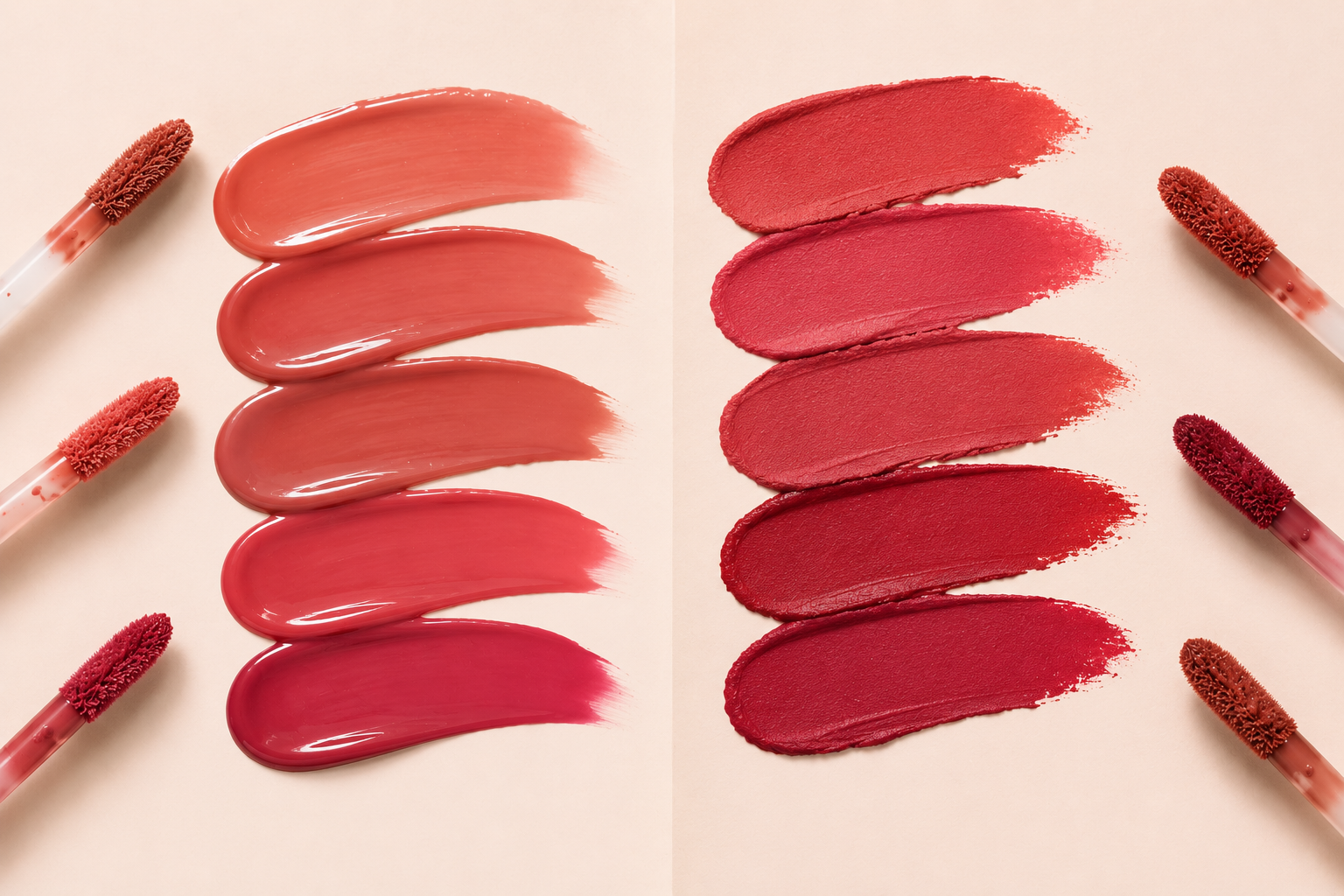
A lip tint is usually a sheer or lightweight lip product with a soft, natural finish. It may feel like a balm, gel, oil, cream, or watery liquid.
A lip stain is designed to leave color behind. It often feels thinner and may dry down more than a tint. The color can remain after the shine or surface layer fades.
| Feature | Lip tint | Lip stain |
|---|---|---|
| Main purpose | Add light, fresh-looking color | Leave longer-lasting color |
| Color level | Sheer to medium | Sheer to strong, depending on formula |
| Finish | Balm-like, glossy, dewy, or soft | Matte, satin, or natural |
| Feel | Often more moisturizing | May feel drier or tighter |
| Wear | Usually fades with eating and drinking | Often lasts longer, but fades unevenly |
| Reapplication | Common during the day | May need fewer touch-ups |
| Best for | A low-makeup look | Color that stays after surface product fades |
These are general patterns, not strict rules. A product labeled “tint” may last longer than a product labeled “stain.” Always check the formula and directions.

What is a lip tint?
A lip tint is a lip-color product that gives a lighter wash of color than traditional lipstick. Many tints are made to look close to the wearer’s natural lip tone.
Lip tints can have many textures, including:
- Balm
- Oil
- Gloss
- Gel
- Cream
- Liquid
- Marker-style fluid
A tint may contain moisturizing ingredients such as oils, waxes, or emollients. An emollient is an ingredient that helps soften and smooth the skin.
Some tints also contain pigments or dyes that can add color that lasts beyond the product’s shine. This is why the line between a tint and a stain is often blurry.
What a lip tint feels like
Most lip tints feel lighter than full-coverage lipstick. They may feel smooth, slick, or soft. A balm tint can help reduce the feeling of dry lips, while a water-based tint may feel almost weightless.
The finish depends on the product:
- A balm tint may look glossy.
- A gel tint may look fresh and translucent.
- An oil tint may create shine.
- A matte tint may feel more like a thin liquid lipstick.
A tint is often a good fit if you want color that looks casual and easy to blend.
What is a lip stain?
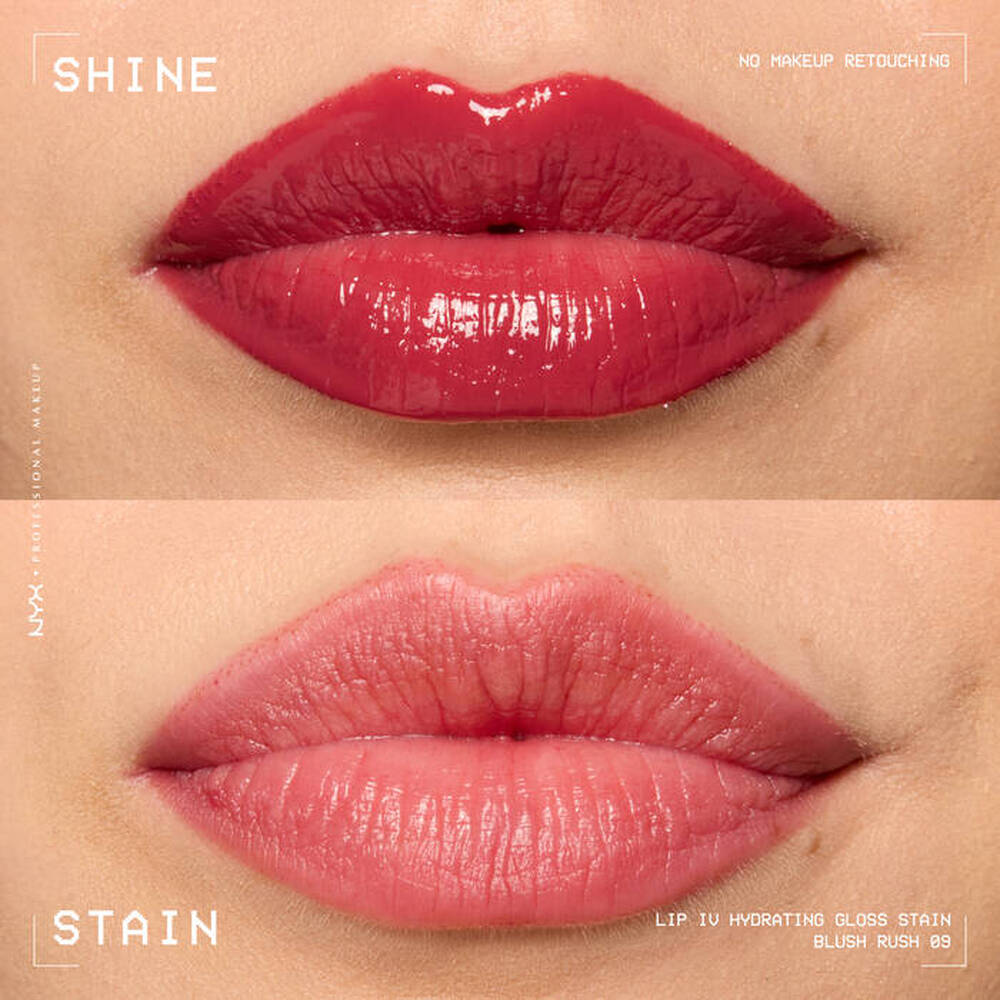
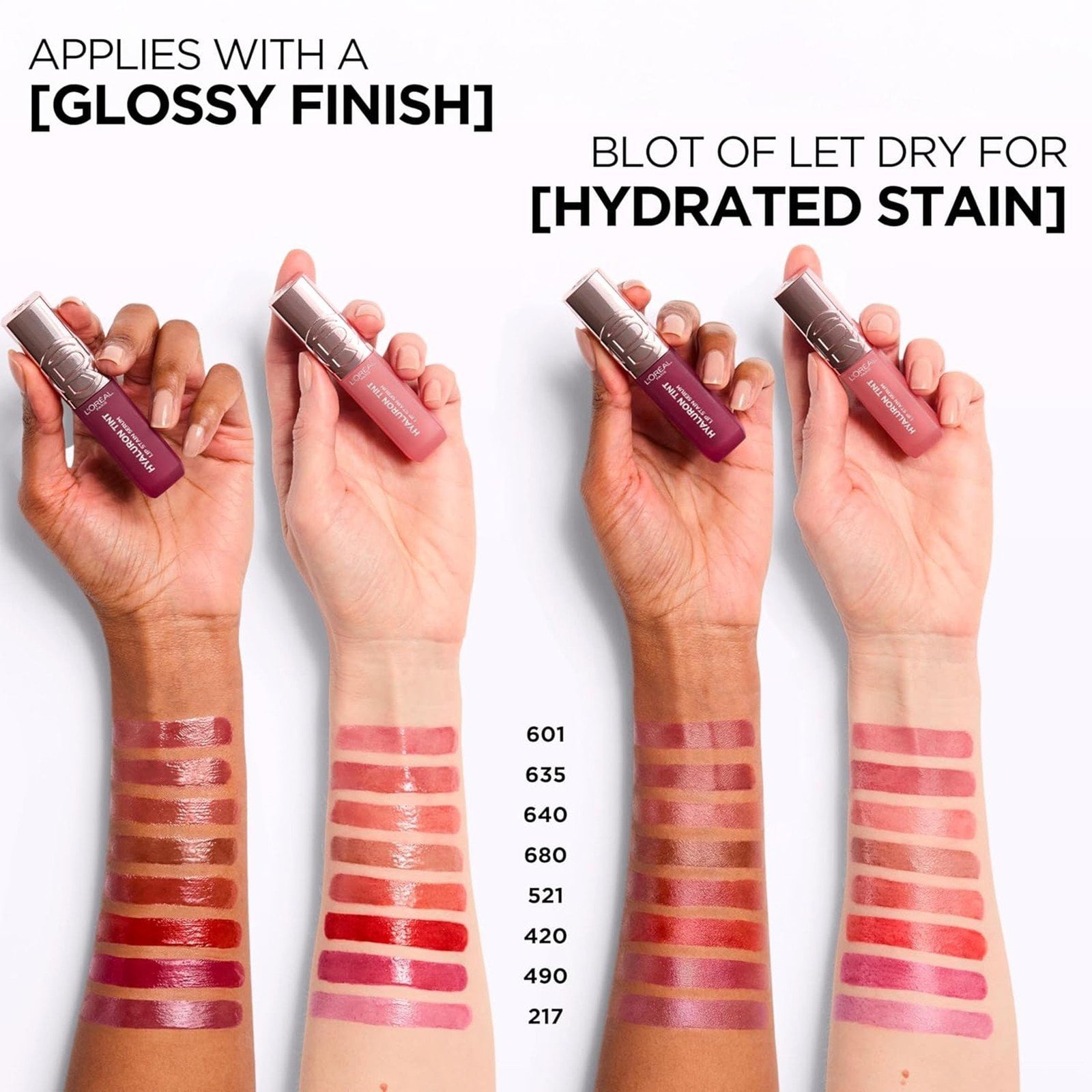
A lip stain is made to leave color on the lips after much of the product’s surface layer has faded or been removed. It may use water-soluble dyes, pigments, or a mix of color ingredients.
Some stains are watery and sheer. Others are thick, creamy, or marker-like. A stain may also contain film-forming ingredients. These help the product form a thin layer that can improve wear.
Lip stains are not permanent. Eating, drinking, rubbing, saliva, and natural skin shedding will gradually remove the color. The word “stain” describes the intended effect, not a guarantee that the color will last all day.
What a lip stain feels like
A lip stain often dries down faster than a balm or gloss. Some leave a smooth, flexible layer. Others may feel dry, tacky, or tight.
A stain can show dry patches more clearly because the color may collect around flaky areas. Applying it to smooth, moisturized lips usually gives a more even result.

How are lip tints and lip stains different?
The main difference is how the color behaves after application.
A tint usually gives color while the product remains on the lips. A stain is intended to leave some color behind as the top layer wears off.
1. Wear time
Lip stains generally have a better chance of lasting through light eating and drinking. However, no stain is fully transfer-proof in every situation.
Oil-based foods can break down some formulas. Hot drinks, lip licking, and repeated wiping can also remove color. A tint with a film-forming formula may last longer than a simple balm tint.
2. Moisture and comfort
Lip tints are often more comfortable when they contain oils, waxes, or other softening ingredients. Lip stains can feel drier because they may contain less of a rich, protective base.
This is not a rule. Some stains contain humectants and conditioning ingredients. A humectant helps attract water to the outer layer of the skin, although the overall formula still determines comfort.
3. Color intensity
Many tints start with a sheer wash. You can often add thin layers to build the color.
Stains may also start sheer, but the color can look stronger once the liquid dries. Some stain formulas deepen after a short wait. Follow the label directions, since formulas differ.
4. Finish
Tint finishes range from glossy to dewy to softly blurred. Stains are more often satin or matte after they dry.
The finish can change how the product looks on dry lips. A glossy tint may make lips look smoother. A matte stain may emphasize texture.
5. Removal
A tint usually comes off with normal cleansing, especially if it has an oily or balm-like base.
A stain may need an oil-based cleanser, micellar water made for long-wear makeup, or a gentle makeup remover. Do not scrub hard. Friction can irritate the lips and make dryness worse.

Are lip tints or lip stains better for dry lips?
For most people with dry lips, a moisturizing lip tint is the easier choice. A balm or oil tint can feel more comfortable than a fast-drying stain.
If you prefer a stain, prepare your lips first:
- Apply a plain, fragrance-free lip balm.
- Let it sit for a few minutes.
- Blot off excess balm.
- Apply a thin layer of stain.
- Add balm or gloss after the color sets, if the product allows it.
Avoid harsh scrubs. The American Academy of Dermatology Association recommends gentle lip care and avoiding products that irritate or dry the lips. Ingredients such as fragrance, flavor, menthol, camphor, and some botanical extracts can bother sensitive lips.
If your lips are cracked, bleeding, swollen, or painful, pause color products until the skin improves. Persistent symptoms may need evaluation by a dermatologist or another qualified health professional.
How to choose between a lip tint and a lip stain
Choose based on the result you want, not only the label.
Choose a lip tint if you want:
- A soft, natural wash of color
- A balm-like or glossy feel
- Easy reapplication
- A product that blends with little effort
- More comfort on normal or slightly dry lips
Choose a lip stain if you want:
- Color that remains after shine fades
- Less frequent touch-ups
- A lightweight feel
- A matte or satin finish
- A stronger color effect without a traditional lipstick
Check the label for these clues
Words such as “hydrating,” “balm,” “glossy,” and “buildable” often suggest a tint-like product.
Words such as “long-wear,” “transfer-resistant,” “water tint,” “peel-off,” and “color stain” may suggest a stain. These are marketing descriptions, not guarantees.
Look at the ingredient list and product directions. In the U.S., cosmetic ingredients are generally listed in descending order of predominance, with some exceptions. The U.S. Food and Drug Administration explains cosmetic labeling and ingredient requirements through its Cosmetics Labeling Guide.

Do lip stains contain different ingredients from lip tints?
Sometimes, but there is no single ingredient that defines every tint or every stain.
A lip product may contain several types of color ingredients:
- Pigments: Fine particles that provide visible color.
- Dyes: Color additives that can dissolve or disperse in a formula.
- Lakes: Color additives made less soluble for use in products such as cosmetics.
- Film formers: Ingredients that help create a thin layer on the lips.
- Emollients: Ingredients that soften and smooth the skin.
- Humectants: Ingredients that help attract water.
A stain may use a lighter base and more color that remains after the liquid evaporates. A tint may use more oils, waxes, or gloss-forming ingredients. But brands can combine these approaches.
Only color additives approved for their intended cosmetic use should be used in products sold in the United States. The FDA maintains information about permitted color additives in its Color Additives and Cosmetics guidance.
Ingredient lists can help you compare products, but they cannot predict exactly how a formula will wear on your lips. Natural lip color, dryness, pH, food, and application thickness all affect the result.

How to apply a lip tint or lip stain evenly
Good application makes a larger difference than many people expect.
For a lip tint
- Start with clean, dry lips.
- Apply a small amount to the center of the lips.
- Blend toward the edges with a finger or lip brush.
- Add a second layer if you want more color.
- Blot lightly if the product looks too glossy.
For a lip stain
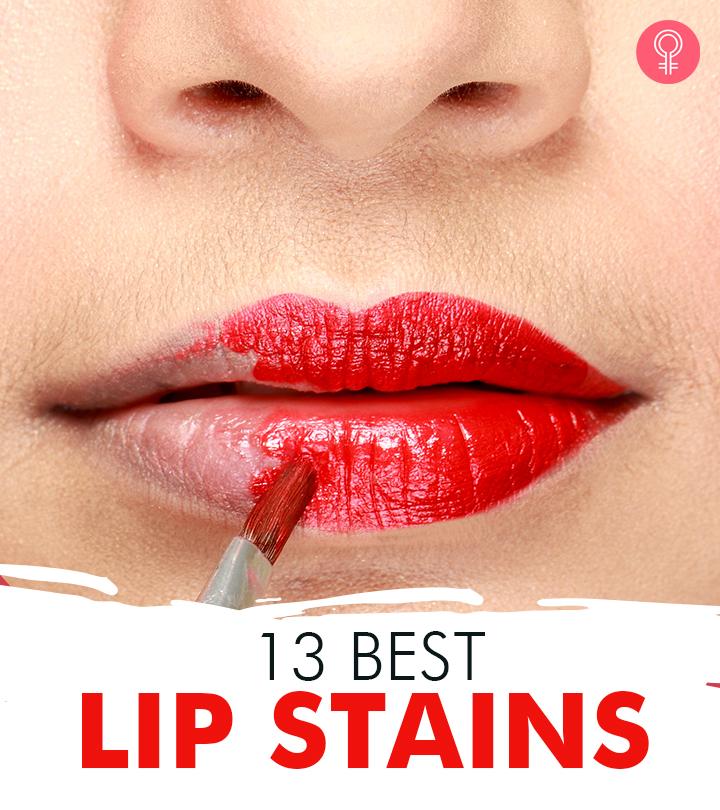
- Smooth away loose flakes with a damp, soft cloth. Do not scrub.
- Apply a thin layer of balm if your lips are dry.
- Blot away excess balm.
- Apply stain to the center of the lips.
- Spread it quickly before it dries.
- Add a second thin layer only if the first layer looks even.
- Clean the edges with a damp cotton swab.
For a softer look, apply stain to the center of the lips and tap the color outward. For a defined look, use a lip liner that matches the stain or your natural lip tone.
A thin layer usually looks more even than one thick layer. If the product becomes patchy, adding more over a dry patch may make the problem worse.

Common problems with lip tints and stains
The color looks patchy
Possible causes include dry skin, uneven balm, or a formula that dries too quickly.
Try applying less product and working in small sections. If balm causes slipping, blot more before applying color.
The stain looks much darker than expected
Stains can appear darker after they set. Test a small amount first. You can also use a clear balm over the stain to soften the appearance.
The product settles into lip lines
This often happens when the lips are dry or when too much product is applied. Use a thin layer and avoid piling a matte formula onto flaky skin.
The color fades in the center
Food, drinks, saliva, and lip movement can remove color from the inner lip first. This is normal for many stains. Reapply a small amount rather than covering the entire lip with a thick layer.
The lips burn or sting
Remove the product. Burning is not a sign that a lip color is working better. Fragrance, flavor, preservatives, or other ingredients may cause irritation.
If swelling, hives, trouble breathing, or widespread symptoms occur, seek urgent medical care. For repeated irritation, stop using the product and ask a medical professional for advice.

Are lip tints and lip stains safe?
Lip tints and lip stains are cosmetics, but “cosmetic” does not mean every formula suits every person. Safety depends on the ingredients, manufacturing quality, correct use, and your own sensitivity.
Follow these basic precautions:
- Check the ingredient list if you have known allergies.
- Do not share lip products.
- Do not use a product if it smells or looks noticeably different.
- Keep applicators clean and close the container after use.
- Avoid applying color to open cuts or active cold sores.
- Follow any expiration or period-after-opening guidance on the package.
- Stop using the product if it causes irritation.
The FDA states that cosmetic companies are responsible for ensuring their products are safe and properly labeled, although cosmetics generally do not receive the same type of premarket approval as drugs. The FDA provides consumer information through its Cosmetics Safety Q&A.
Lip color does not replace sunscreen. If you want sun protection, choose a lip product that specifically lists an SPF and follows the directions for sunscreen use. An ordinary tinted balm should not be assumed to provide sun protection.
Can you use a lip tint and lip stain together?
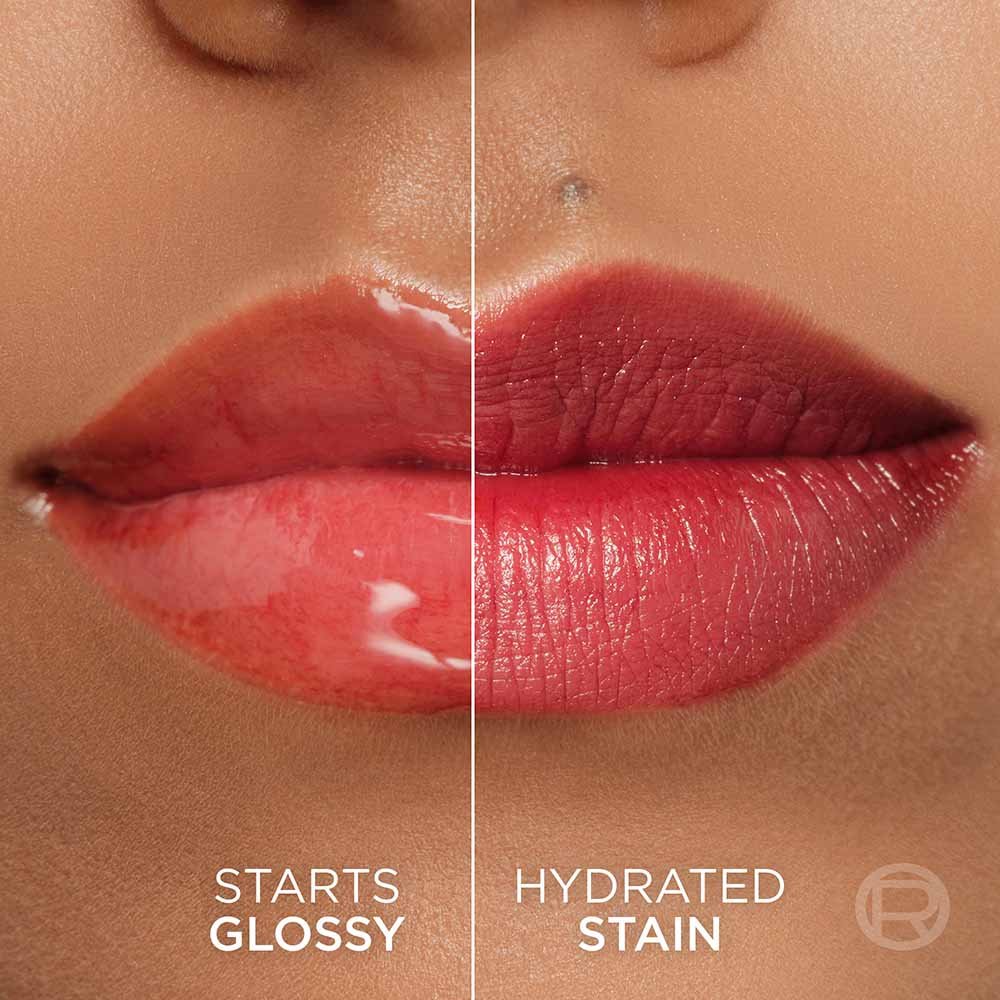
Yes. Layering can work if the formulas are compatible.
A practical combination is:
- Apply a thin stain for base color.
- Let it dry as directed.
- Add a moisturizing tint, balm, or gloss on top.
This can improve comfort and add shine. However, a rich oil or balm may cause the stain to move or fade faster. If you want the stain to remain visible, use only a small amount of top product.
You can also reverse the order by applying a tint first and a stain second, but the stain may apply unevenly over a slippery surface.
Test the combination before wearing it for a long event. Product layers can react differently depending on their oils, waxes, solvents, and film-forming ingredients.
Frequently asked questions
Is a lip stain better than lipstick?
Not always. A lip stain usually gives a lighter feel and leaves color behind, while lipstick often gives more coverage and a more predictable finish. Choose a stain for a natural, long-wear wash and lipstick for stronger, more even coverage.
Do lip stains dry out your lips?
Some do, especially fast-drying or matte formulas. Others include moisturizing ingredients. If your lips feel tight or flaky, use a gentler formula, apply a small amount of balm, and avoid repeated scrubbing.
Can lip tint replace lip balm?
Only if the tint keeps your lips comfortable and the product is suitable for your needs. A colored tint does not automatically provide enough moisture or protection. A plain lip balm may work better when your lips are very dry.
How long does a lip stain last?
Wear time varies by formula and use. Eating oily foods, drinking, wiping, and rubbing can shorten wear. A stain may leave color after the surface layer fades, but it will not stay unchanged all day.
Can lip stains be used on cheeks?
Some products are labeled for both lips and cheeks, but not all are. Check the package directions before using a lip product on facial skin. A formula may blend poorly, dry too fast, or irritate the cheeks.
Final answer: are lip tints and lip stains the same?
Lip tints and lip stains are similar but not exactly the same. A tint usually focuses on light, comfortable, buildable color. A stain focuses more on leaving color behind for longer wear.
Because U.S. cosmetic brands use these terms loosely, judge the product by its texture, finish, ingredients, and directions. Pick a tint for a soft and comfortable everyday look. Pick a stain when you want a lightweight color base that lasts beyond the product’s initial shine.
