
Yes, lip tint does come off, but how fast it fades depends on the formula, your lips, and what you eat or drink. A light water-based tint may fade within a few hours. A stain-style or peel-off tint can leave color behind for most of the day.
For shoppers in the United States, the key point is simple: “long-lasting” does not mean permanent. Most lip tints fade from the center of the lips first, while color may stay longer along the lip line or in dry patches.

Does lip tint come off completely?
Most lip tint comes off with time, gentle cleansing, or both. Some products fade evenly. Others leave a soft stain after the glossy or creamy layer wears away.
Lip tint is not one single type of product. It may contain water, oils, waxes, film-forming ingredients, and color additives. These parts affect how the product behaves:
| Lip product type | How it usually fades | Typical removal method |
|---|---|---|
| Sheer lip tint | Fades with eating, drinking, and talking | Lip balm or gentle cleanser |
| Water-based stain | Leaves color on the surface of the lips | Oil cleanser, balm, or micellar water |
| Cream or glossy tint | Wears away like lipstick | Tissue, cleanser, or makeup remover |
| Peel-off tint | Leaves a stain after the film is removed | Oil cleanser if color remains |
| Lip liner tint | May stay around the lip edge | Oil-based remover and a cotton pad |
These are general patterns, not fixed time limits. A product’s label may claim a wear period, but real wear can vary from person to person.
Why does lip tint last longer than lipstick?
Many tints use dyes or pigments that remain on the outer layer of the lips after the carrier dries. Some formulas also create a thin film. This can make them resist water better than a traditional creamy lipstick.
That does not make the color permanent. The lip surface naturally sheds cells. Food, drinks, saliva, lip balm, and rubbing also remove color.
A tint may last longer when you:
- Apply it to clean, dry lips.
- Use a thin layer.
- Let it dry before eating or drinking.
- Avoid oily foods.
- Do not rub or lick your lips.
It may fade faster when you:
- Apply lip balm under it.
- Eat greasy foods.
- Drink from a cup often.
- Have dry or peeling lips.
- Remove it with an oil-based product.
What is the easiest way to remove lip tint?
The safest method is to soften the tint first, then wipe it away without scrubbing. Start with a lip-safe oil cleanser, cleansing balm, or makeup remover made for long-wear makeup.
Step-by-step removal method
Apply an oil-based remover.
Use a small amount of cleansing balm, lip-safe makeup remover, or plain facial cleansing oil. Avoid putting products on the lips that are labeled only for the eyes or body unless the label allows it.Let it sit for 20 to 30 seconds.
This gives the remover time to loosen the color. Press a soft cotton pad or clean cloth against the lips instead of rubbing at once.Wipe gently.
Move from the center of the lips toward the corners. Use a fresh part of the pad as color lifts.Repeat if needed.
A second gentle pass is better than hard scrubbing.Rinse or cleanse the area.
Remove any leftover product. Follow with a plain lip balm if your lips feel dry.
What if the tint will not come off?
Do not use nail polish remover, rubbing alcohol, hydrogen peroxide, bleach, or harsh face scrubs. These products can irritate or damage the thin skin on the lips.
Instead, try this sequence:
- Add a thicker layer of cleansing balm.
- Wait about 30 seconds.
- Wipe with a soft, damp cloth.
- Wash with a mild facial cleanser.
- Leave the skin alone for a while before trying again.
A faint stain may remain for part of the day. That does not always mean the product is trapped or harmful. It may simply mean that the color has bonded to the outer lip surface.

How long does lip tint stay on?
Lip tint may last from a few hours to most of a day. The exact time depends on the formula and your daily activity.
A sheer tint usually fades sooner than a stain or peel-off tint. Eating oily food can break down some long-wear formulas. Water, coffee, and light snacks may have less effect, though frequent drinking can still wear down the color.
Your lips also matter. Dry, cracked, or flaky skin can hold color unevenly. This may make the tint look darker in some spots and lighter in others.
What affects wear time?
Formula
Water-based tints often dry quickly and leave a stain. Creamy tints may feel more comfortable but wear away more like lipstick. Peel-off formulas form a film and may leave color after the film comes off.
Skin and lip condition
Smooth lips usually produce a more even result. Dry skin can catch pigment around flakes or cracks. This is one reason a tint may seem difficult to remove from certain areas.
Food and drinks
Oil can loosen some makeup films. Acidic foods, salty foods, and repeated wiping may also make the tint fade faster.
Skin-care products
Lip balm, lip oil, petroleum jelly, and cleansing oils can reduce wear time. They can also help remove the product later.
Application
A thick coat is not always more durable. It may dry unevenly and leave darker patches. A thin, even layer often gives better control.

How can you make lip tint fade evenly?
The best way to prevent patchy fading is to prepare your lips and apply less product. You do not need to scrub your lips hard before using a tint.
Try these steps:
Smooth loose flakes gently.
Use a damp, soft washcloth. Stop if your lips sting or feel raw.Apply a small amount of balm.
Let it absorb, then blot away excess oil. Too much balm can prevent the tint from setting.Use a thin layer of tint.
Add a second layer only after the first looks even.Blend the edges quickly.
Many tints set fast. Use a clean fingertip or lip brush if the product allows it.Use balm during the day.
This can help prevent dry patches, though it may also make the tint fade sooner.
If the lip line looks too dark, use a cotton swab with a small amount of cleansing balm. Wipe the edge before the product fully sets.
Is lip tint safe for your lips?
Lip tint is generally made for use on the lips, but any cosmetic can cause irritation or an allergic reaction. The U.S. Food and Drug Administration regulates cosmetics under federal law, but cosmetic products are not approved by the FDA before they reach the market in the same way that medicines are.
Read the product label and use the product only as directed. FDA information on cosmetic safety and color additives is available through the FDA cosmetics portal and its color additive resources.
Stop using a lip tint if you notice:
- Burning or strong stinging
- Swelling
- Blisters
- Hives
- A rash around the mouth
- Cracking that gets worse
- Trouble breathing or swelling of the tongue or throat
Seek urgent medical help for trouble breathing, facial swelling, or other signs of a serious allergic reaction.
Do not apply tint to open cuts, bleeding cracks, cold sores, or infected skin. Avoid sharing lip products, especially products applied directly with a wand or cushion. If a product smells different, changes texture, or becomes contaminated, replace it.

Can lip tint stain the skin around your mouth?
Yes. A strong tint can leave temporary color on the skin around the lips, especially if it spreads before drying. Dry skin may also hold color longer than smooth skin.
To remove color from nearby skin:
- Use a cotton swab with cleansing oil or balm.
- Wipe gently along the edge.
- Wash the area with a mild cleanser.
- Apply a simple moisturizer if the skin feels dry.
Avoid repeated scrubbing. It can make the skin red, which may look worse than the stain.
If color remains after gentle removal, give it time to fade. The stain should usually become lighter as the surface skin sheds and you wash normally.

Common mistakes when removing lip tint
Some removal methods make the problem worse. Avoid these common mistakes:
- Scrubbing hard: This can cause irritation without removing much more color.
- Using alcohol-based products: They may dry or sting the lips.
- Using nail polish remover: It is not made for lips.
- Peeling dry skin: This can create tiny cuts and increase irritation.
- Applying more tint to cover a patch: The new layer may become even darker.
- Using a random household oil: Fragrance or other ingredients may irritate sensitive skin.
- Ignoring a reaction: Burning, swelling, or a rash is a reason to stop using the product.
If a lip tint causes a reaction, remove it gently, avoid reapplying it, and keep the package. The ingredient list may help a health professional identify the cause.

Frequently asked questions
Does lip tint come off with water?
Some light tints come off partly with water, but many stain-style formulas do not. Water may remove the surface layer while leaving color behind. An oil-based remover usually works better.
Does lip tint come off when eating?
Usually, yes. Food, oil, utensils, and napkins can remove or fade lip tint. Oily foods tend to affect some long-wear formulas more than water or dry foods.
Does lip tint come off with lip balm?
Lip balm can loosen and fade some tints, especially if it contains oils. It may not remove every trace at once, but it can make later removal easier.
Can you sleep with lip tint on?
It is better to remove makeup before bed. Leaving tint on may dry the lips or irritate sensitive skin, especially if the product contains fragrance or other ingredients that bother you.
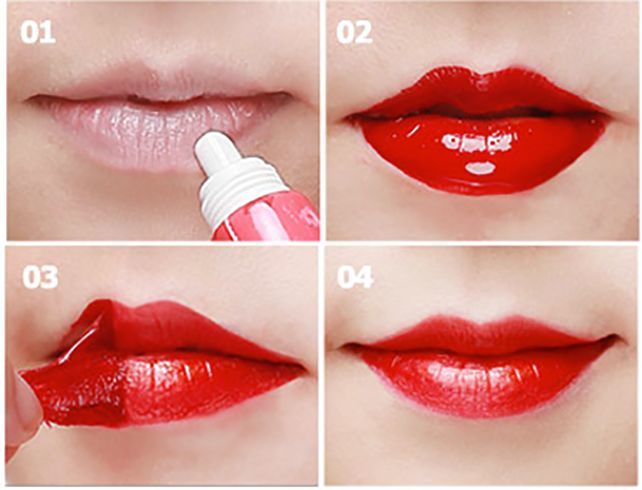
How do you remove peel-off lip tint?
Wait until the product has dried as directed. Peel it gently from one corner without pulling hard. Use cleansing balm or oil to remove any remaining color. Do not peel if your lips are cracked, sore, or irritated.
Does lip tint expire?
Cosmetics can change over time, even when they do not have a clear expiration date. Follow the product’s period-after-opening symbol, storage instructions, and any printed date. Replace the tint if its smell, color, or texture changes.
The bottom line
Lip tint does come off, but some formulas leave a temporary stain after the top layer fades. For easy removal, use a lip-safe cleansing balm, oil cleanser, or long-wear makeup remover. Let it soften the product, then wipe gently.
If the tint burns, swells, or causes a rash, stop using it. A faint stain is usually a wear issue; pain or swelling is a safety issue.
