
For shoppers in the United States, lip tints are not automatically better than lipstick. A lip tint may suit you if you want light color, less transfer, and a natural look. Traditional lipstick may be the better pick if you want rich pigment, a smooth finish, comfort, or built-in moisture.
The best choice depends on your priorities: wear time, coverage, dryness, ease of removal, shade range, and how much makeup you want to feel on your lips.

Lip tint vs. lipstick: What is the difference?
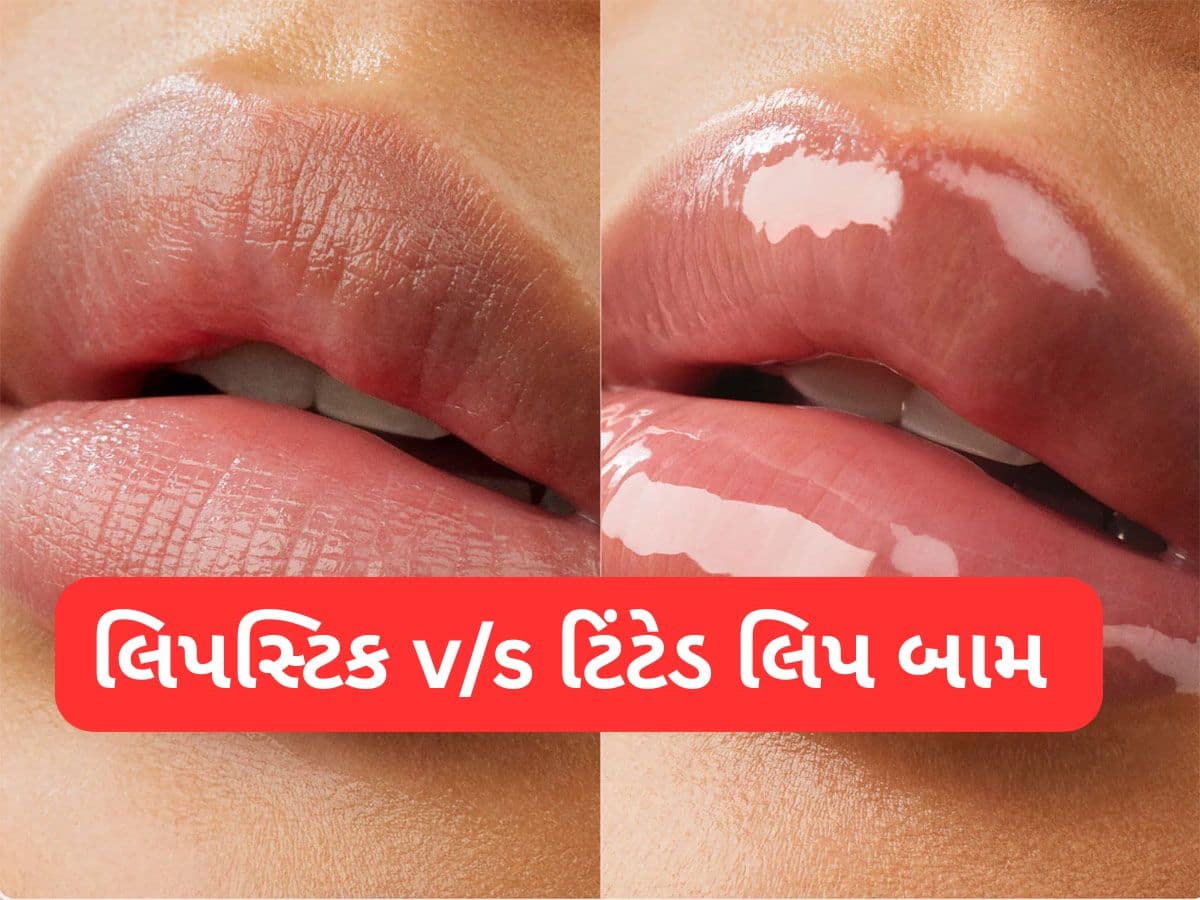
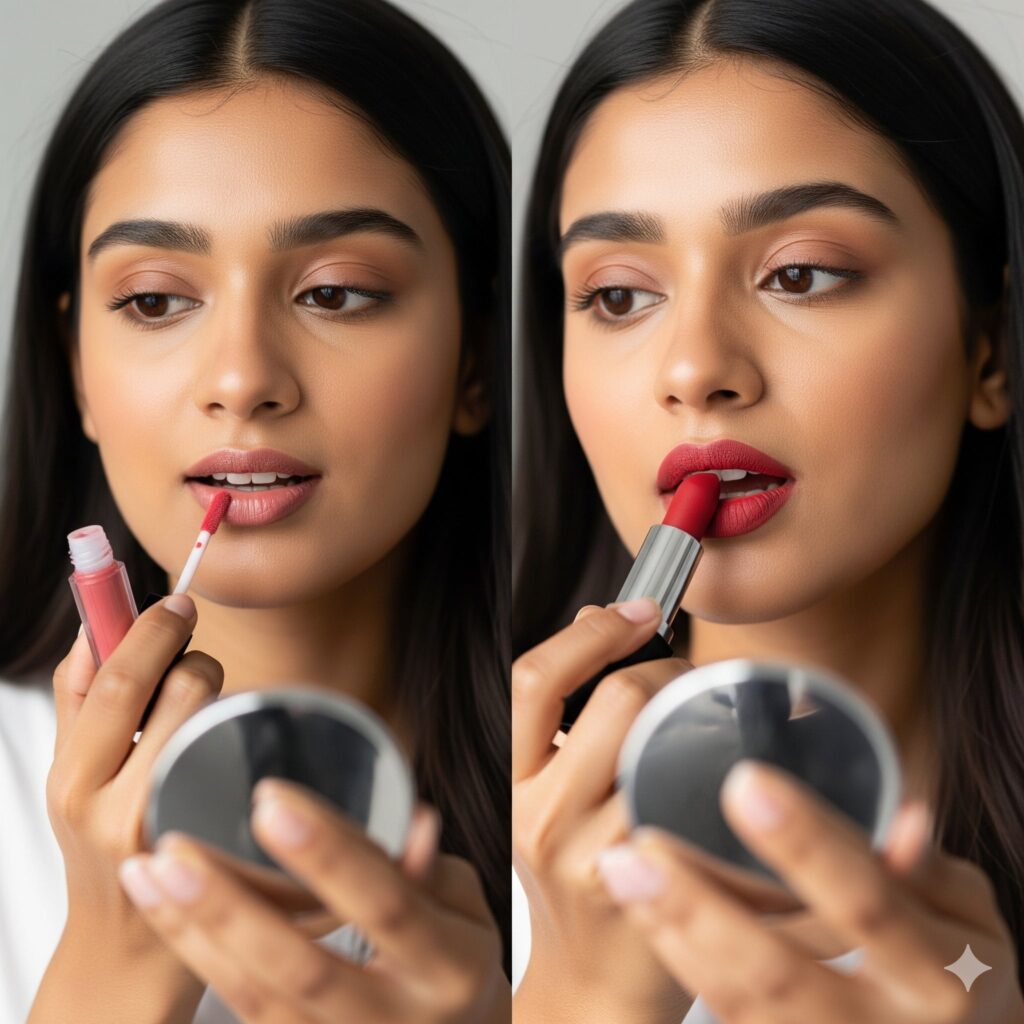
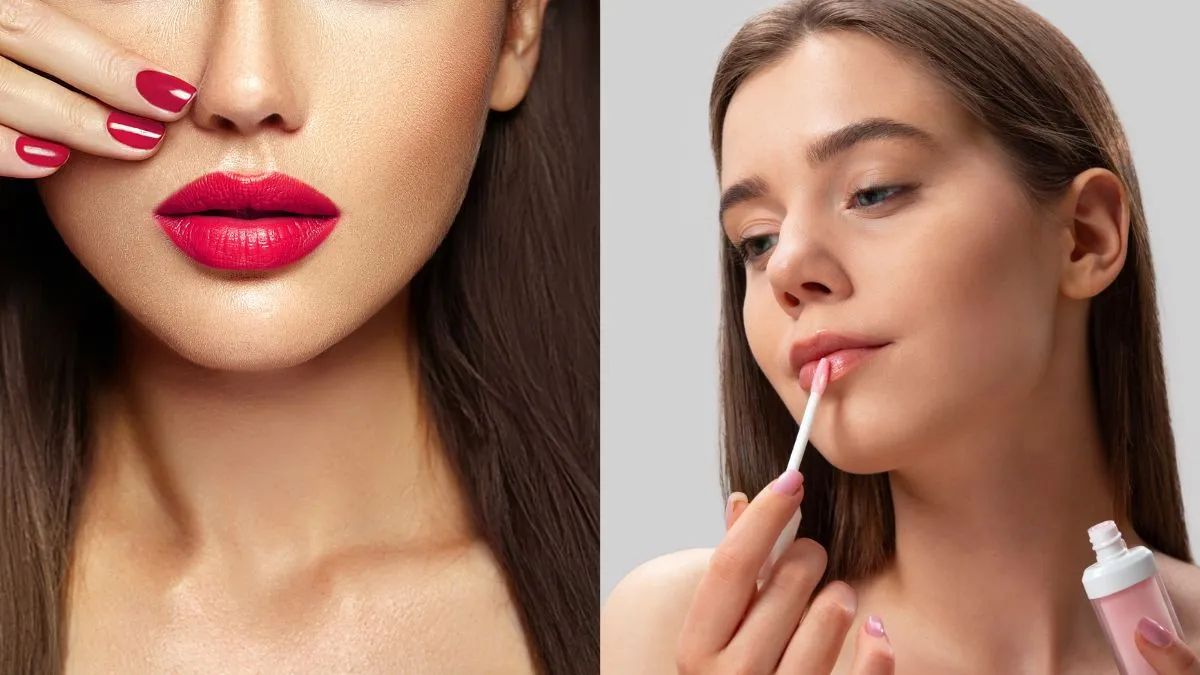
A lip tint is a liquid, gel, balm, or marker-style product that leaves color on the lips. Many tints use dyes or pigments that create a stain-like effect. The finish may look sheer and soft, though some newer formulas offer medium or bold color.
Lipstick is usually a wax-and-oil or wax-and-emollient formula with pigments suspended throughout the product. It sits more visibly on the surface of the lips and can offer anything from sheer shine to full matte coverage.
Here is the basic comparison:
| Feature | Lip tint | Lipstick |
|---|---|---|
| Coverage | Sheer to medium, with some bold formulas | Sheer to full |
| Finish | Natural, soft, glossy, or blurred | Satin, cream, glossy, metallic, or matte |
| Feel | Often light and thin | Creamy, waxy, or more noticeable |
| Transfer | Often lower after setting, but not transfer-proof | Varies by formula; classic formulas may transfer more |
| Moisture | Depends on the formula; some can feel drying | Cream and balm styles often feel more comfortable |
| Application | Can require quick blending | Usually easy to apply directly |
| Removal | May leave a stain | Usually easier to wipe away |
| Best for | Low-maintenance color and a natural look | Defined color, coverage, and finish control |
Neither product category is automatically safer, healthier, or longer-lasting. The formula matters more than the label.
When are lip tints better than lipstick?
Lip tints are often better when you want color that looks light and blends into your daily routine. They can work well for errands, work, school, outdoor events, or casual makeup when full coverage feels excessive.
A tint may be the better choice if you want:
- A “your lips but better” effect
- Less visible fading
- A lightweight feel
- A soft flush of color
- Color that does not look uneven as it wears down
- A quick product for cheeks and lips, if the label allows both uses
Many tints fade gradually. That can make them look more natural than a strong lipstick that loses color from the center first. However, a tint can still become patchy, especially on dry or flaky lips.
Lip tints may also be useful when you eat or drink often. A tint can leave behind color after some of the surface product wears away. That does not mean every tint lasts all day or remains unchanged. Oil, food, friction, licking your lips, and the formula itself all affect wear.
The main trade-off is control. A sheer tint may not hide uneven lip tone, scars, discoloration, or dryness as well as an opaque lipstick. Some stains also set quickly, so mistakes can be harder to correct.

When is lipstick better than lip tint?
Lipstick is usually better when you want strong color, precise shaping, or a specific finish. It gives you more control over the look because you can build coverage and define the lip line.
Choose lipstick when you want:
- Full or medium coverage
- A bold red, berry, nude, or plum shade
- A creamy feel
- A glossy, satin, or matte finish
- Better control over the lip shape
- A product that is easy to remove and reapply
- More help hiding uneven color or texture
Cream and satin lipsticks can feel comfortable on normal or dry lips. Lip balm lipsticks may provide even more comfort, although “moisturizing” claims depend on the ingredients and the person using the product.
Matte lipstick can provide a clean, sharp look, but it may highlight flakes. Long-wear liquid lipstick may resist transfer well, but it can feel tight or dry for some people. A lip tint can have the same issue if it contains a high level of alcohol, evaporating solvents, or other ingredients that do not suit your lips.
Lipstick also tends to offer more predictable color payoff. A tint may look different on each person because the final shade can mix with the natural color of the lips.

Which lasts longer: lip tint or lipstick?
A lip tint often lasts longer as a trace of color, while lipstick may last longer as a visible layer of product. These are not the same thing.
For example, a tint may leave a pink or red stain after the shine disappears. Lipstick may lose its center color after a meal but remain more vivid around the edges. A long-wear lipstick may resist transfer better than a glossy tint, while a balm tint may disappear quickly.
Wear time depends on:
- The formula
- Whether the product is oil-based or water-based
- How dry or smooth your lips are
- Eating and drinking
- Lip licking or rubbing
- Use of lip balm underneath
- Whether you blot or layer the product
- The shade depth and pigment type
Do not assume that “tint” means waterproof, kiss-proof, or transfer-proof. Those claims apply only to the tested product and its stated use. The U.S. Food and Drug Administration regulates cosmetics under the Federal Food, Drug, and Cosmetic Act, but cosmetic products generally do not receive premarket approval in the same way that drugs do. A product claim should not be treated as a guarantee for every user or situation.
To improve wear without over-drying your lips, apply a thin layer to clean, smooth lips. Let it set as directed. If you need balm, use a small amount first and test whether it reduces the tint’s staying power.

Are lip tints more drying than lipstick?
Some lip tints are more drying, but the category as a whole is not always more drying. Ingredients and finish matter more than whether the product is called a tint or lipstick.
A watery tint may contain ingredients that evaporate quickly. A matte tint or stain may also feel dry because it leaves little emollient material on the lips. By contrast, a creamy lipstick may contain oils, waxes, and conditioning ingredients that create a softer feel.
But the reverse can happen. A lightweight balm tint may feel more comfortable than a matte liquid lipstick.
If your lips are dry, look for formulas that contain emollients or occlusive ingredients. Common examples include:
- Petrolatum
- Mineral oil
- Dimethicone
- Shea butter
- Squalane
- Plant oils
- Waxes
These ingredients do not guarantee comfort, but they can help reduce water loss from the skin’s surface. The American Academy of Dermatology Association recommends using a non-irritating lip balm or ointment for chapped lips and avoiding ingredients that sting or burn.
Avoid applying tint over cracked, bleeding, or painful skin. A color product may make irritation harder to notice. If a product causes burning, swelling, itching, or a rash, stop using it. Seek medical care for severe swelling, breathing trouble, or symptoms that spread quickly.
Which is better for sensitive lips?
For sensitive lips, the better choice is the product with the shortest, least irritating formula that your skin tolerates. A tint is not automatically gentler than lipstick, and “clean,” “natural,” or “hypoallergenic” on a package is not a universal guarantee.
Potential irritants include:
- Fragrance
- Flavoring oils
- Peppermint or cinnamon oils
- Menthol
- Camphor
- Plumping agents
- Certain preservatives
- Ingredients that create a tingling sensation
Some people can use these ingredients without a problem. Others may develop irritation or allergic contact dermatitis. The reaction may look like dryness, redness, cracking, itching, or swelling.
For a cautious test, apply a small amount to one area of the lips and monitor the skin over the next day. This is not a reliable way to rule out every allergy, especially if you have a history of reactions. If lip products repeatedly cause symptoms, a dermatologist or allergist can help identify the cause through appropriate testing.
Also check the product’s expiration guidance and keep it clean. Do not share lip products, apply them to infected or broken skin, or use a product that has changed in smell, color, or texture.
Lip tint or lipstick: Which should you choose?
Use this decision guide:
| Your main goal | Better starting choice | Why |
|---|---|---|
| Natural, soft color | Lip tint | It usually gives a lighter stain or flush |
| Full coverage | Lipstick | Pigment sits on the lip and builds more easily |
| Dry lips | Cream, balm, or satin lipstick | These textures often feel less tight |
| Minimal transfer | Tint or transfer-resistant lipstick | Formula matters more than category |
| Easy correction | Lipstick | It usually wipes away more easily |
| Bold color | Lipstick | It offers more pigment and shape control |
| Low-maintenance fading | Lip tint | Fading may look softer and less obvious |
| Precise lip edges | Lipstick with a liner | It gives better definition |
| Quick makeup | Tint, if easy to blend | One product can add a light wash of color |
| Sensitive lips | Fragrance-free formula in either category | Fewer potential irritants may help |
A simple rule works for many people: choose a tint for a soft daily look and lipstick for control, coverage, or comfort.
You can also use both. Apply a tint first for a base of color, then add a thin layer of balm or lipstick for shine and comfort. Test the combination before wearing it to an important event because the top product can change the way the tint fades.
How to apply a lip tint without patchiness
A smooth base improves the result more than adding extra layers.
- Start with clean lips. Remove old makeup and excess oil.
- Check for flakes or cracks. Do not scrub hard. If your lips are chapped, use a plain balm or ointment and let them recover.
- Use a thin layer. Place small dots on the center of the lips.
- Blend quickly. Use a clean fingertip or the applicator before the product sets.
- Build slowly. Add another thin layer rather than applying a thick coat.
- Clean the edges. Use a cotton swab with a little makeup remover.
- Add balm if needed. Apply it after the tint sets if the formula feels dry.
Patchiness often comes from uneven texture, too much product, or waiting too long to blend. Balm under the tint can also cause uneven color if it leaves an oily film.
For a more defined look, outline the lips with a matching lip liner before applying the tint. Use a liner that is intended for the lips and remove it fully at the end of the day.

Common mistakes with lip tints and lipstick
The most common mistake is choosing a product by its category instead of its formula. A hydrating tint may outperform a dry lipstick for comfort, while a long-wear lipstick may outperform a tint for transfer resistance.
Avoid these errors:
- Applying a stain to cracked skin
- Using a dark tint without testing how quickly it sets
- Expecting every tint to last through oily food
- Putting a thick balm over a tint and then blaming the tint for fading
- Layering many drying products
- Scrubbing the lips to remove color
- Sharing lip products
- Keeping old products past their usable condition
- Ignoring burning, itching, swelling, or a rash
- Assuming “natural” means non-irritating
To remove a stubborn tint, start with an oil-based or dual-phase makeup remover made for the lips. Hold a soaked cotton pad on the lips for several seconds, then wipe gently. Do not peel, scratch, or use harsh household products.

Key takeaways
- Lip tint is better for light color, a natural finish, and softer-looking fading.
- Lipstick is better for coverage, bold color, lip definition, and finish choices.
- Neither product is always more moisturizing or longer-lasting.
- Formula, ingredients, and lip condition matter more than the product name.
- If your lips are dry or sensitive, choose a gentle formula and avoid products that sting.
- For the most balanced routine, try a tint under a comfortable balm or lipstick.
FAQs
Is lip tint healthier than lipstick?
Not necessarily. Both are cosmetic products, and safety depends on the ingredients, product quality, proper use, and your personal sensitivity. A lip tint is not inherently healthier because it is lighter or more natural-looking.
Can I wear lip tint every day?
Many people can use lip tint daily if their lips tolerate it. Stop using the product if it causes dryness, burning, itching, swelling, or a rash. Give chapped lips time to heal before applying color.
Does lip tint dry out your lips?
Some formulas can feel drying, especially matte, fast-setting, or solvent-rich products. Creamy tints and balm tints may feel more comfortable. Read the ingredient list and pay attention to how your lips respond.
Can lip tint replace lipstick?
Yes, if you only want sheer or medium color. A tint may not replace lipstick when you need full coverage, a precise lip shape, or a creamy finish.
Can I use lip tint on my cheeks?
Only use it on the cheeks if the product label states that it is intended for multi-area use. Some lip products may irritate facial skin or blend unevenly. Always follow the package directions.
How do I make lip tint last longer?
Apply it to clean, dry lips in thin layers and let each layer set. Avoid rubbing your lips and limit oily products underneath. Reapply after eating or drinking when needed.
Conclusion
Lip tints are better for a light, natural look and color that may fade softly. Lipsticks are better for strong pigment, comfort-focused textures, precise edges, and finish control. Neither wins in every situation.
Start with your main need. If you want barely-there color, try a gentle tint. If your lips are dry or you want a bold, polished look, start with a cream or satin lipstick. Always choose the formula your lips can tolerate, regardless of the name on the package.
