
Gentle skin care, trigger control, sunscreen, and medical treatment can greatly reduce rosacea redness over time.
Rosacea redness can feel frustrating, especially when it appears without warning or lasts for hours. The good news is that a steady routine can calm the skin, reduce flare-ups, and make facial redness less visible. This guide explains how to get rid of facial redness from rosacea with proven skin care steps, daily habits, prescription options, and practical ways to avoid common mistakes.

What causes facial redness from rosacea?
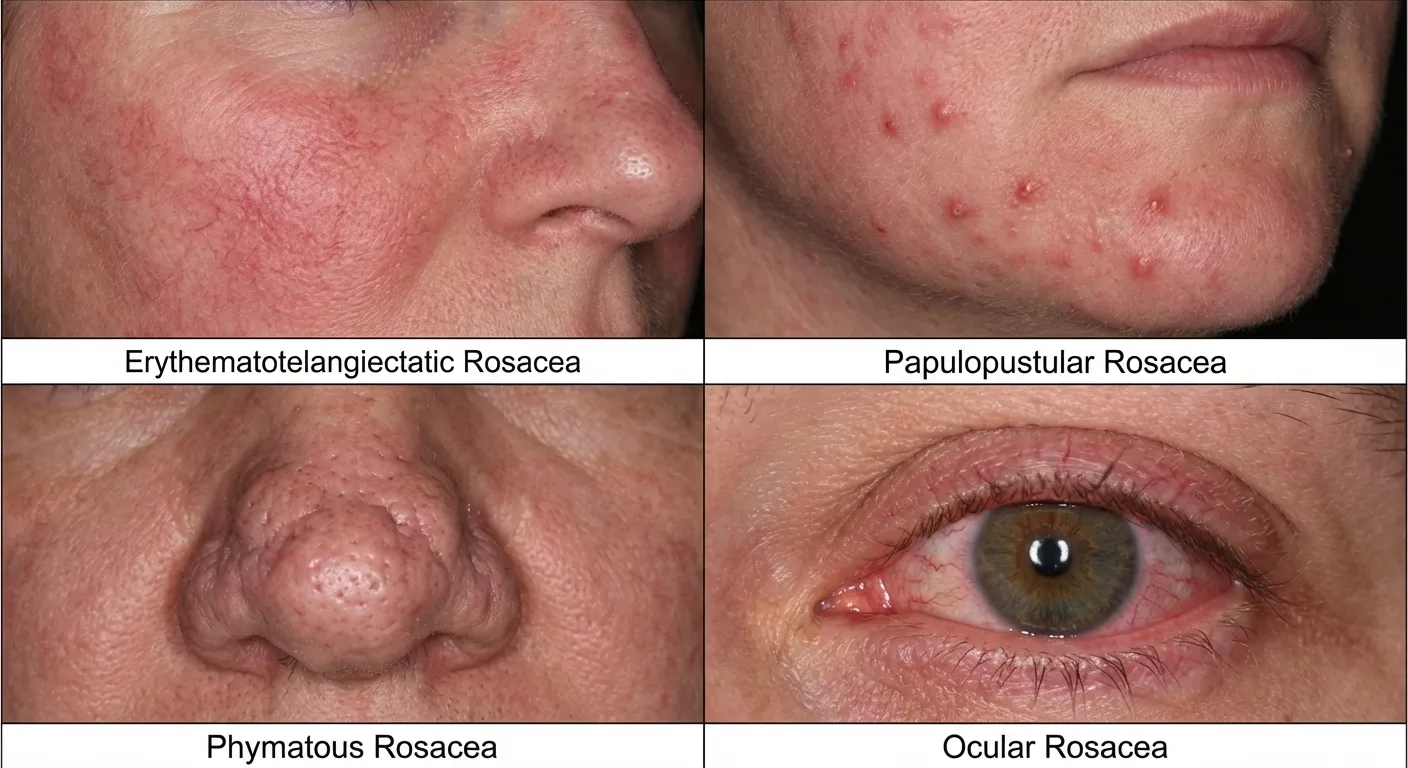
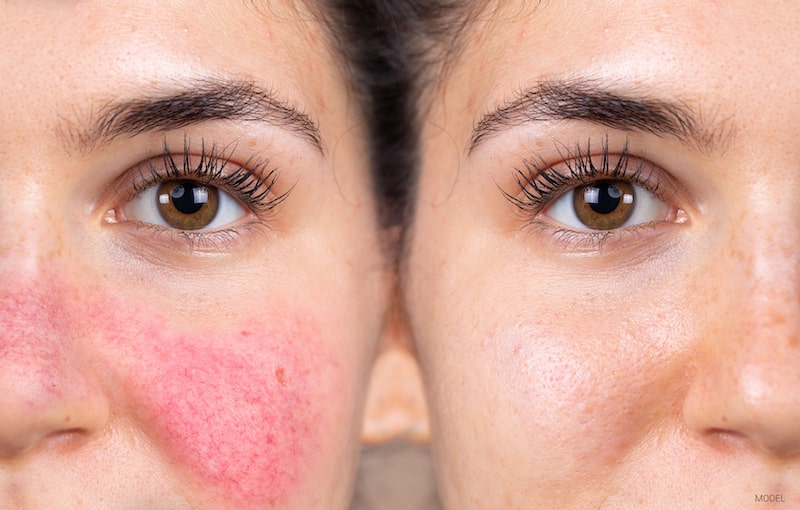
Rosacea is a long-term skin condition that often affects the cheeks, nose, chin, and forehead. It may cause flushing, visible blood vessels, small bumps, burning, stinging, dryness, or rough skin. Some people also develop eye symptoms, such as gritty eyes or swollen eyelids.
The exact cause is not fully known. Experts believe that genetics, immune activity, skin microbes, nerve signals, and blood vessel changes may all play a role. Rosacea is not caused by poor hygiene, and it is not contagious.
Common triggers include:
• Sunlight and heat
• Hot drinks, soups, and spicy foods
• Alcohol, especially red wine
• Stress, anger, or embarrassment
• Hard exercise
• Hot baths, saunas, and warm rooms
• Cold wind and sudden weather changes
• Harsh skin care products
• Certain medicines that widen blood vessels
A useful way to understand rosacea is to picture the skin barrier as a thin raincoat. When the barrier is weak, heat, wind, and products can pass through more easily. This can lead to burning and more redness.
Keeping a simple trigger diary can help. Write down what you ate, the weather, your activity, products used, and how your skin reacted. After two or three weeks, patterns may become easier to spot.

How to get rid of facial redness from rosacea at home
There is no permanent cure for rosacea yet, but many people can control their symptoms. The most effective home plan is gentle, consistent, and boring in the best possible way.
1. Wash with a gentle cleanser
Cleanse your face once or twice a day with lukewarm water. Use a mild, fragrance-free cleanser made for sensitive skin. Apply it with your fingertips, then rinse well.
Avoid washcloths, facial brushes, scrubs, and rough towels. Pat your face dry with a soft towel instead of rubbing it. Even small amounts of friction can cause a flare.
2. Moisturize after cleansing
A moisturizer helps repair the skin barrier and reduces water loss. Choose a fragrance-free cream or lotion with ingredients such as:
• Ceramides
• Glycerin
• Hyaluronic acid
• Dimethicone
• Colloidal oatmeal
Apply moisturizer while your skin is slightly damp. If a product burns for more than a few minutes, wash it off and stop using it.
3. Wear sunscreen every day
Daily sunscreen is one of the most important steps for how to get rid of facial redness from rosacea. Ultraviolet light can worsen redness, flushing, and visible blood vessels, even on cloudy days.
Choose broad-spectrum SPF 30 or higher. Mineral sunscreens with zinc oxide or titanium dioxide may feel gentler for sensitive skin. Look for a product that is fragrance-free and labeled for sensitive skin.
Reapply sunscreen every two hours when outdoors, and sooner after sweating or swimming. A wide-brimmed hat and shade add extra protection.
4. Keep your routine simple
A short routine is often better than a shelf full of products. Start with:
Gentle cleanser
Moisturizer
Sunscreen in the morning
Gentle cleanser and moisturizer at night
Add only one new product at a time. Test it on a small area near the jaw for several days before applying it to your whole face.
5. Avoid common irritants
Many people with rosacea react to ingredients that are fine for other skin types. Common irritants include:
• Fragrance
• Menthol
• Camphor
• Eucalyptus oil
• Alcohol denat
• Glycolic acid
• Lactic acid
• Strong retinoids
• Physical scrubs
• Essential oils
Not everyone reacts to every ingredient. Still, removing likely irritants is a sensible first step when learning how to get rid of facial redness from rosacea.

Medical treatments that can reduce rosacea redness
If home care does not control your symptoms, a dermatologist can create a treatment plan. Medical treatment often works best when paired with gentle skin care and trigger control.
Prescription creams and gels
Doctors may prescribe medicines that target bumps, inflammation, or blood vessel activity. Options can include:
• Metronidazole for inflammatory rosacea
• Azelaic acid for bumps and redness
• Ivermectin for inflammatory lesions linked to microscopic mites
• Brimonidine gel for temporary reduction in persistent facial redness
• Oxymetazoline cream for temporary narrowing of facial blood vessels
Brimonidine and oxymetazoline can reduce redness for several hours. However, some people experience worsening redness as the medicine wears off. Apply a small amount at first and follow your clinician’s directions.
Oral medicines
For moderate or severe rosacea, a dermatologist may prescribe an oral antibiotic such as low-dose doxycycline. In this setting, doxycycline is often used for its anti-inflammatory effect, not because rosacea is an infection.
Take it exactly as prescribed. Doxycycline can increase sun sensitivity and may interact with some medicines. Your clinician can explain the risks and the safest way to use it.
Laser and light treatments
Vascular lasers and intense pulsed light may reduce visible blood vessels and persistent redness. They do not cure rosacea, and results vary by skin tone, treatment type, and the skill of the provider.
Possible side effects include swelling, bruising, temporary color changes, and discomfort. Choose a board-certified dermatologist or qualified medical provider with experience treating rosacea across different skin tones.
Treatment takes time
Some treatments improve symptoms within days, while others need several weeks. Persistent redness may take longer than bumps to improve. Do not switch products every few days, because this can irritate the skin and make it harder to know what works.
How to prevent rosacea flare-ups
Learning your triggers is one of the most practical answers to how to get rid of facial redness from rosacea. You may not need to avoid every possible trigger. Instead, reduce your personal triggers and lower their effect.
Protect your skin from heat and sun
Heat is a common cause of facial flushing. Try these simple changes:
• Drink cool or lukewarm drinks instead of very hot ones
• Use a fan or air conditioner in warm rooms
• Take warm, not hot, showers
• Wear a hat outdoors
• Exercise in a cool room or during cooler hours
• Carry a cool drink during outdoor activities
Do not place ice directly on your face. Extreme cold can irritate the skin and cause another flushing response. A cool, damp cloth may feel more comfortable.
Manage exercise-related flushing
Exercise supports overall health, but intense heat can trigger rosacea. You can often reduce redness by breaking workouts into shorter sessions, exercising indoors, using a fan, and drinking cool water.
Low-impact activities, such as walking, gentle cycling, swimming in a comfortable pool, or light strength training, may be easier to tolerate. Your goal is not to stop moving. It is to reduce overheating.
Watch food and drink patterns
Spicy foods, alcohol, and hot drinks are common triggers, but they do not affect everyone. Avoid broad food restrictions unless you see a clear pattern.
A trigger diary is more useful than guessing. If red wine causes flushing, for example, switching to water or a nonalcoholic drink may help. If a food does not trigger symptoms, there may be no reason to remove it.
Reduce stress in realistic ways
Stress can trigger flushing through changes in the nervous system. You do not need a perfect life to help your skin. Small habits may make a difference:
• Slow breathing for two minutes
• A short walk
• Regular sleep
• Gentle stretching
• Time away from overheated spaces
• Counseling or stress support when needed
Stress control will not replace medical treatment, but it may reduce the number or intensity of flares.

Makeup and camouflage for rosacea redness
Makeup can help you feel more comfortable while treatment takes effect. Choose noncomedogenic, fragrance-free products when possible. Mineral-based makeup may be easier for sensitive skin, though every product can cause irritation in some people.
Green-tinted primer can visually balance red tones. Apply a thin layer rather than rubbing several coats into the skin. A gentle makeup sponge or clean fingertips may be less irritating than a rough brush.
Remove makeup with a mild cleanser at night. Avoid waterproof products that require strong rubbing or harsh removers. Never use makeup to cover skin that is cracked, infected, or painful without medical advice.
Tinted mineral sunscreen can offer two benefits: sun protection and light coverage. It may also help reduce the white cast that some mineral sunscreens leave on darker skin tones.

Mistakes that can make rosacea redness worse
People often try to fight redness with strong products. This can backfire. Rosacea-prone skin needs a quiet approach, not an aggressive one.
Avoid these common mistakes:
• Scrubbing the face to remove flakes
• Using hot water to “open the pores”
• Applying lemon juice, apple cider vinegar, or baking soda
• Trying many new products at once
• Using steroid cream without medical advice
• Skipping sunscreen because the day is cloudy
• Assuming all redness is rosacea
Topical corticosteroids can cause or worsen rosacea when used incorrectly, especially on the face. Do not start or stop a steroid cream without speaking with a health professional.
Another common mistake is treating every red patch as rosacea. Eczema, acne, lupus, contact dermatitis, seborrheic dermatitis, and skin infections can look similar. A correct diagnosis matters.
A practical lesson is to change one thing at a time. If you begin a new cleanser, serum, mask, and sunscreen together, you may not know which product helped or caused irritation.

When to see a dermatologist
Make an appointment if facial redness is persistent, painful, spreading, or affecting your confidence. A dermatologist can confirm the diagnosis and recommend treatment based on your symptoms and skin type.
Seek care sooner if you notice:
• Eye pain, light sensitivity, blurred vision, or a gritty feeling
• Sudden swelling of the face or lips
• Pus, crusting, fever, or severe tenderness
• A rash that spreads quickly
• Redness that appears after starting a medicine
Rosacea can affect the eyes, a condition called ocular rosacea. Eye symptoms should not be ignored because untreated inflammation may harm the eye surface.
It also helps to take photos during a flare. Note the date, possible trigger, products used, and symptoms. Clear records can help your clinician see patterns that are hard to remember during a short visit.

A simple seven-day plan for calmer skin
This plan is not a substitute for medical care, but it can help you build a steady routine.
Use a gentle cleanser each morning and night.
Apply a fragrance-free moisturizer after cleansing.
Wear broad-spectrum SPF 30 or higher every morning.
Stop scrubs, masks, essential oils, and strong acids.
Keep a diary of food, weather, stress, exercise, and symptoms.
Keep showers and drinks warm rather than hot.
Book a dermatology visit if redness continues or worsens.
After seven days, review your notes. Continue what feels calming, but do not expect severe or long-term rosacea to disappear in one week. The aim is to lower irritation and create a foundation for proper treatment.
Frequently asked questions about how to get rid of facial redness from rosacea
Can rosacea redness go away completely?
Rosacea is usually a long-term condition, so redness may return without ongoing care. Many people can reduce its severity and frequency with trigger control, skin care, prescription treatment, or laser therapy.
What is the fastest way to reduce rosacea redness?
A cool environment, gentle skin care, sunscreen, and avoiding known triggers may help during a flare. Prescription creams can reduce redness for some people, but fast treatments should be chosen with guidance from a dermatologist.
Does sunscreen help facial redness from rosacea?
Yes. Sun exposure is a common rosacea trigger and can worsen persistent redness. Use broad-spectrum SPF 30 or higher every day, and consider a fragrance-free mineral sunscreen if chemical formulas sting.
Is it safe to use ice on rosacea?
Do not place ice directly on your skin. A cool, damp cloth may soothe heat without exposing the skin to extreme cold, which can cause irritation or another flushing response.
Can diet get rid of rosacea redness?
Diet alone usually cannot cure rosacea, but some foods and drinks can trigger flushing. Track your symptoms before removing foods, and avoid unnecessary restrictions.
Should you exfoliate skin with rosacea?
Most people with rosacea should avoid harsh scrubs and frequent exfoliation. These can damage the skin barrier and increase burning, dryness, and redness.
Does aloe vera cure rosacea?
Aloe vera may feel soothing for some people, but it does not cure rosacea. Products with fragrance, alcohol, or added essential oils may irritate sensitive skin, so patch-test any product first.
Conclusion
The best way to get rid of facial redness from rosacea is to combine gentle skin care, daily sun protection, trigger awareness, and suitable medical treatment. Avoid harsh products, extreme heat, unapproved steroid creams, and quick fixes that can weaken the skin barrier.
Start with a simple routine, track your triggers, and give each change time to work. If redness continues, a dermatologist can help confirm the diagnosis and match treatment to your symptoms. Share your experience with rosacea or explore trusted dermatology resources to take the next step toward calmer skin.
