
Use daily sunscreen, gentle skin care, moisturizer, healthy habits, and proven treatments to slow visible skin aging.
Knowing what to do to prevent aging skin can help you protect collagen, reduce wrinkles, and keep your skin smooth for longer. Sun exposure is the main preventable cause of premature skin aging, but sleep, nutrition, cleansing, hydration, and the right active ingredients also matter. This guide explains the science and turns it into a simple routine you can follow at any age.

What to do to prevent aging skin: Start with sun protection
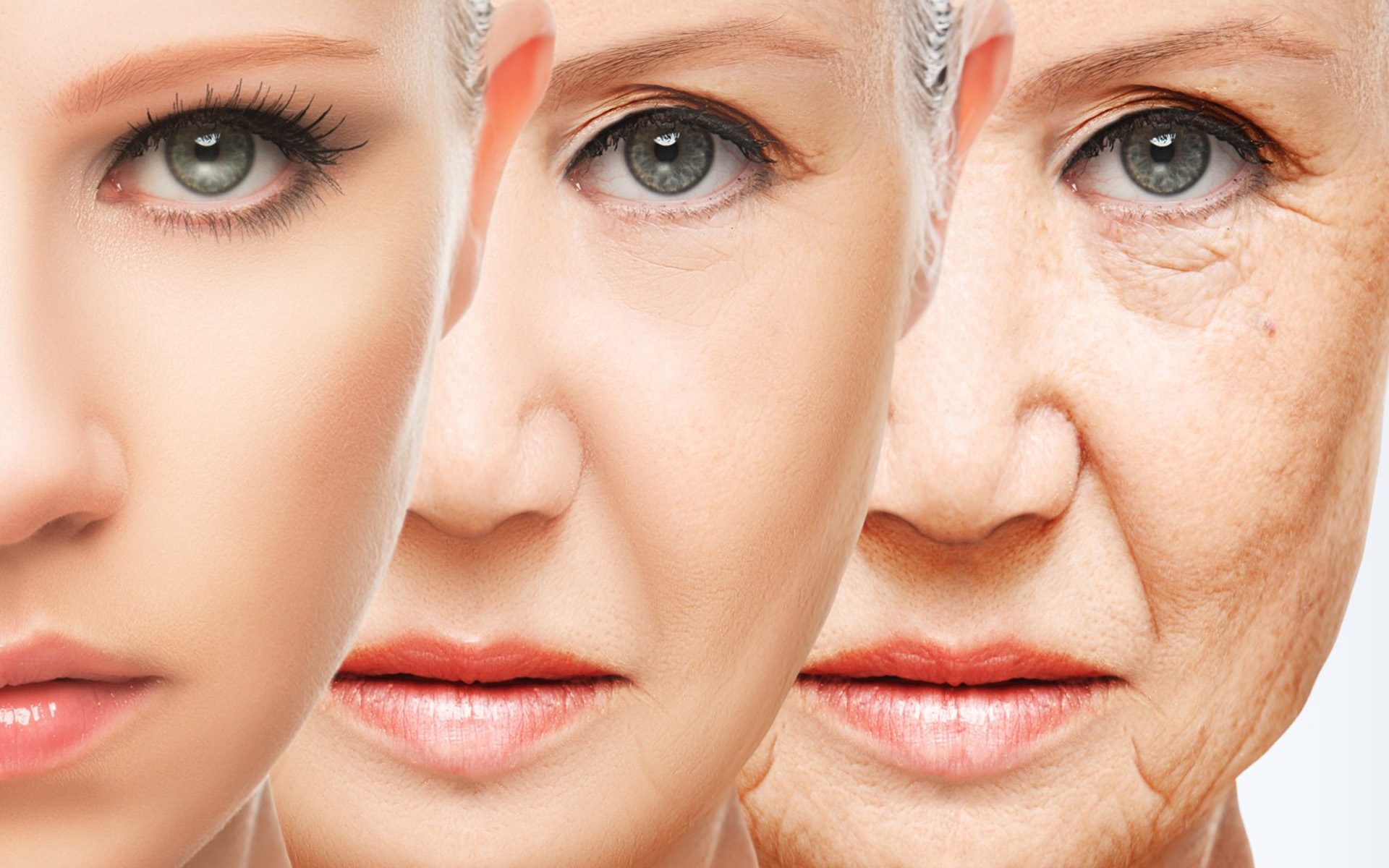
If you do only one thing to prevent premature skin aging, use sunscreen every day. Ultraviolet, or UV, light breaks down collagen and elastin. These proteins help skin stay firm and springy.
UV exposure can also cause dark spots, rough texture, fine lines, and uneven tone. The damage adds up over time, even on cloudy days or during short drives.
Choose a broad-spectrum sunscreen with SPF 30 or higher. Broad-spectrum products protect against both UVA and UVB rays.
Apply sunscreen to:
• Your face and neck
• Your ears
• The backs of your hands
• Your chest
• Any other exposed skin
Use about two finger-lengths of sunscreen for your face and neck. Apply it 15 minutes before going outside. Reapply every two hours when outdoors, and sooner after swimming or heavy sweating.
A hat, sunglasses, shade, and sun-protective clothing add another layer of protection. Sunscreen is not a shield that lets you stay in strong sun all day. Think of it as a seat belt: important, but best used with other safety steps.
For people with melasma or frequent dark spots, a tinted sunscreen with iron oxides may help. It can offer protection from visible light, which may worsen pigmentation in some skin tones.
A key lesson in skin care is that consistency beats intensity. Expensive products cannot fully undo years of daily sun exposure. Learning what to do to prevent aging skin starts with making sunscreen a routine, not an occasional step.
Build a simple anti-aging skin care routine
A good routine does not need ten products. Too many products can irritate the skin and make redness, dryness, or breakouts worse.
A basic morning routine can include:
- Cleanse gently, or rinse with lukewarm water if your skin is very dry.
- Apply a vitamin C serum if your skin tolerates it.
- Use a fragrance-free moisturizer.
- Finish with broad-spectrum SPF 30 or higher.
A simple evening routine can include:
- Remove makeup and sunscreen.
- Wash with a mild cleanser.
- Apply a retinoid or another treatment, if suitable for your skin.
- Use moisturizer to support the skin barrier.
The skin barrier is the outer layer that helps keep water in and irritants out. Harsh scrubs, very hot water, and strong soaps can weaken this barrier. When the barrier is damaged, skin may feel tight, sting, flake, or look dull.
Moisturizer does not stop every wrinkle, but it can make fine lines look softer by improving the skin’s water content. Look for ingredients such as:
• Ceramides
• Glycerin
• Hyaluronic acid
• Squalane
• Petrolatum
• Colloidal oatmeal
People with oily skin still need moisture. Choose a light, noncomedogenic lotion or gel. Those with dry skin may prefer a richer cream.
When considering what to do to prevent aging skin, avoid changing several products at once. Add one new product at a time. This makes it easier to spot irritation and learn what your skin can handle.

Use proven ingredients for wrinkles and uneven tone
Some skin care ingredients have stronger evidence than others. Results take time, and no topical product can recreate the effect of a surgical facelift. Still, a well-chosen treatment can improve texture and tone.
Retinoids
Retinoids are vitamin A compounds. They can support collagen production, improve cell turnover, and soften the look of fine lines. Prescription tretinoin has the most established evidence, while over-the-counter retinol is usually milder.
Start slowly:
• Use a pea-sized amount for the whole face.
• Apply it at night.
• Begin two nights per week.
• Add moisturizer before or after it if your skin feels dry.
• Increase use only when your skin adjusts.
Avoid the eyelids, corners of the nose, and corners of the mouth at first. These areas often become irritated.
Retinoids may cause dryness, peeling, or redness during the first weeks. This does not mean that stronger irritation equals better results. If burning or swelling develops, stop and speak with a dermatologist.
Do not use retinoids during pregnancy unless your medical professional specifically advises you to do so. Ask a health care professional about safe options if you are pregnant, trying to conceive, or breastfeeding.
Vitamin C
Vitamin C is an antioxidant. It helps neutralize free radicals created by UV light and pollution. It may also support a brighter, more even skin tone.
L-ascorbic acid is a well-studied form, but it can irritate sensitive skin. Start with a lower concentration and use it every other morning. Store the product as directed, since vitamin C can lose strength when exposed to air and light.
Niacinamide
Niacinamide, also called vitamin B3, may help support the skin barrier, reduce redness, and improve uneven tone. It is often easier for sensitive skin to tolerate than strong acids or retinoids.
Alpha hydroxy acids
Glycolic acid and lactic acid exfoliate the surface of the skin. They can improve dullness and rough texture. Use them sparingly, because over-exfoliation can cause irritation and increase sensitivity.
Do not use several strong actives on the same night when you are starting. For example, use a retinoid on one night and an exfoliating acid on another. This is a practical part of what to do to prevent aging skin without damaging the barrier.

Protect collagen with healthy daily habits
Skin aging is normal. Genetics, hormones, facial movement, and time all play a role. Healthy habits cannot stop aging, but they can reduce avoidable damage and help your skin function well.
Do not smoke
Smoking reduces blood flow and exposes skin to chemicals that damage collagen. It is linked with wrinkles, dullness, slower wound healing, and a less healthy skin tone.
If you smoke, quitting is one of the most valuable steps for your skin and your overall health. Support from a health professional, quitline, or medication can improve your chances of success.
Eat a balanced diet
Your skin needs protein, vitamins, minerals, and healthy fats. Focus on a varied diet with:
• Colorful fruits and vegetables
• Beans, lentils, eggs, fish, or other protein sources
• Nuts and seeds
• Whole grains
• Healthy oils
• Enough water to support normal body function
Foods rich in vitamin C, such as oranges, bell peppers, and strawberries, help support normal collagen formation. Protein provides amino acids used throughout the body.
Supplements are not a shortcut. Collagen supplements may offer modest benefits for some people, but product quality varies and research is still developing. They should not replace sunscreen, food, or medical care.
Sleep well
During sleep, the body carries out repair and regulation processes. Poor sleep can make skin look tired and may worsen stress-related skin problems.
Aim for a regular sleep schedule. Most adults need at least seven hours per night, though individual needs differ.
Manage stress
Long-term stress can affect sleep, inflammation, and skin conditions. Simple tools such as walking, breathing exercises, time outdoors, or talking with someone you trust can help.
When people ask what to do to prevent aging skin, they often focus only on creams. The bigger picture includes the habits that support the whole body.

Avoid common mistakes that speed visible skin aging
Some popular skin care habits create more problems than benefits. A gentle approach usually produces better long-term results.
Avoid these common mistakes:
• Skipping sunscreen because you work indoors
• Using tanning beds or intentional tanning
• Washing your face with very hot water
• Scrubbing hard to remove flakes
• Applying too many active ingredients
• Sleeping in makeup
• Picking pimples or scabs
• Changing products before giving them enough time
• Copying a routine made for a different skin type
• Ignoring persistent irritation
Tanning beds are especially risky. They expose skin to concentrated UV radiation and increase the risk of skin cancer as well as premature aging.
Do not confuse dryness with dirt. Flaky skin does not always need more scrubbing. It may need a gentle cleanser, a barrier-supporting moisturizer, and less frequent use of active treatments.
Patch-test new products on a small area first. This cannot guarantee that you will not react, but it may help you identify a problem before applying the product to your whole face.
A useful personal lesson from reviewing skin care routines is that people often quit good products because they start too fast. Retinoids and exfoliating acids work best when introduced slowly. Patience is a skin care skill.

Adapt your routine to your skin type
There is no single best anti-aging routine for everyone. Your skin type, medical history, climate, budget, and sensitivity all matter.
Dry or sensitive skin
Choose creamy cleansers, fragrance-free moisturizers, and fewer active ingredients. Apply moisturizer while skin is slightly damp. Start retinoids or acids less often.
Oily or acne-prone skin
Use noncomedogenic products and avoid heavy oils if they trigger breakouts. A light moisturizer can still help. Retinoids may support both acne care and wrinkle treatment, but a dermatologist can guide you.
Combination skin
Use light products across the face and add richer moisturizer only to dry areas. You do not need separate products for every small zone.
Skin of color
Darker skin tones may be more prone to post-inflammatory hyperpigmentation after irritation. Gentle product use and daily sunscreen are important. A dermatologist can help treat dark spots while reducing the risk of new discoloration.
Mature skin
As skin becomes thinner or drier, switch to gentler cleansing and richer moisturization if needed. Continue sunscreen. Do not assume that stronger products are better.
Understanding your skin type makes what to do to prevent aging skin more practical. The best routine is one you can use steadily without pain or irritation.

Consider professional treatments carefully
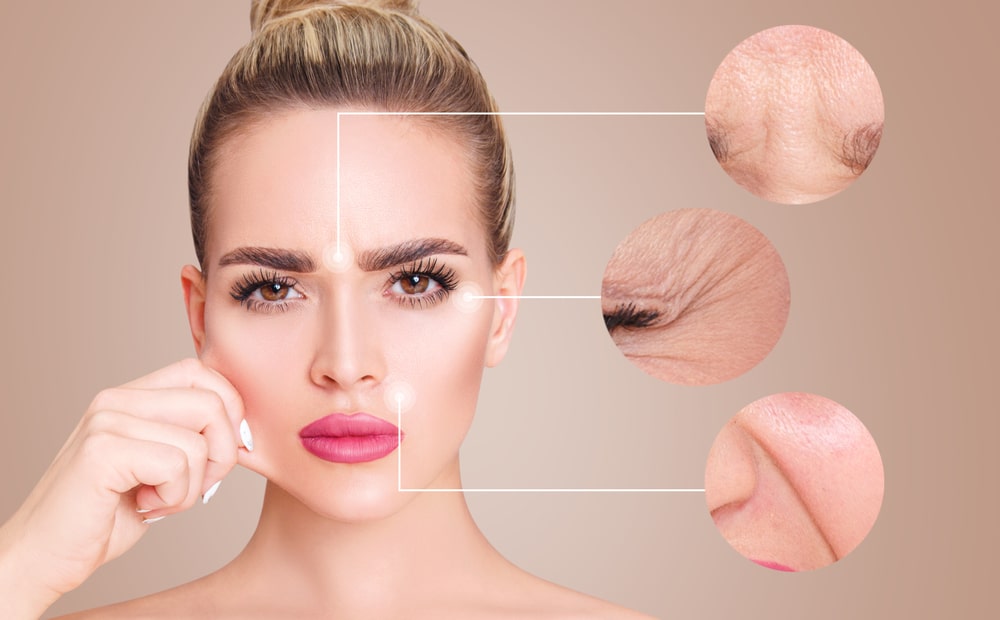
At-home care is the foundation, but professional treatments may improve specific concerns. A board-certified dermatologist can assess your skin and explain likely benefits, risks, cost, and recovery time.
Common options include:
• Prescription tretinoin
• Chemical peels
• Microneedling
• Laser or light-based treatments
• Neuromodulators for expression lines
• Fillers for lost volume
• Treatment for visible blood vessels or dark spots
Results vary by treatment and by person. Some procedures can cause burns, pigment changes, scarring, infection, or allergic reactions, especially when performed by an unqualified provider.
Ask these questions before treatment:
- Who will perform the procedure?
- What training and certification do they have?
- What results are realistic?
- What are the common and serious risks?
- What aftercare is required?
- How much will the full treatment plan cost?
A consultation is especially important if you have a history of keloids, melasma, eczema, cold sores, or unusual reactions to skin products.
Professional care is not required for healthy aging skin. It is an option for people who want targeted improvement and understand the limitations.
Know when to see a dermatologist
A dermatologist can help when over-the-counter care is not enough or when a skin change may need medical attention.
Make an appointment for:
• A changing mole or spot
• A sore that does not heal
• Repeated bleeding or crusting
• A new, persistent rash
• Severe acne or scarring
• Sudden pigment changes
• Ongoing burning, swelling, or peeling
• Wrinkles or texture changes that concern you
Use the ABCDE guide for suspicious moles:
• Asymmetry: one half does not match the other
• Border: edges look uneven or poorly defined
• Color: color varies within the spot
• Diameter: the spot is larger than about 6 millimeters, though skin cancers can be smaller
• Evolving: the spot changes over time
This guide is not a diagnosis. A changing lesion should be checked by a medical professional.

A simple weekly plan for preventing aging skin
A routine becomes easier when you connect it to habits you already have.
Every morning
• Cleanse gently or rinse
• Apply moisturizer if needed
• Use broad-spectrum SPF 30 or higher
• Wear sunglasses and a hat in strong sun
Every evening
• Remove makeup and sunscreen
• Cleanse without scrubbing
• Use one treatment product if appropriate
• Moisturize
Once or twice a week
• Check whether your skin feels dry, tight, or irritated
• Wash makeup brushes and replace old products
• Reapply sunscreen to outdoor gear or restock your bag
• Review whether you are using too many active ingredients
Do not expect dramatic change in a few days. Moisturizer may improve comfort quickly, but retinoids and other treatments often need several weeks or months. Take photos in the same light if you want to track gradual changes.
The most reliable answer to what to do to prevent aging skin is steady protection over many years. Small actions add up like drops filling a glass.
Frequently Asked Questions
What is the most important way to prevent aging skin?
Daily broad-spectrum sunscreen with SPF 30 or higher is the most important step. Limiting direct sun, wearing protective clothing, and avoiding tanning beds add extra protection.
Can moisturizer prevent wrinkles?
Moisturizer cannot stop the natural aging process, but it helps support the skin barrier and can make fine lines look less noticeable. Ingredients such as ceramides, glycerin, and hyaluronic acid can improve skin comfort and hydration.
At what age should I start an anti-aging routine?
There is no required age. Sunscreen, gentle cleansing, and moisturizer are useful at any adult age, while retinoids can be discussed with a dermatologist when concerns such as acne, fine lines, or uneven texture appear.
Is retinol safe for everyone?
Retinol is not suitable for everyone, and it can cause dryness or irritation. Avoid retinoids during pregnancy unless your health professional gives specific advice, and start with a low frequency if you have sensitive skin.
Does drinking more water remove wrinkles?
Drinking enough water supports normal health, but extra water does not erase wrinkles. Moisturizer and sun protection have a more direct role in improving the look and feel of dry skin.
Do natural skin care products prevent aging?
“Natural” does not always mean safe or effective. Some botanical oils and essential oils may irritate skin, while well-studied ingredients can be synthetic or naturally derived; judge products by evidence, safety, and how your skin responds.
Can facial exercises prevent skin aging?
Evidence for facial exercises is limited and not strong enough to confirm that they prevent wrinkles. They should not replace sunscreen, moisturizer, healthy habits, or proven medical treatments.
Conclusion
Preventing aging skin is less about finding one perfect product and more about repeating a few proven habits. Use sunscreen every day, protect your skin from direct UV light, cleanse gently, moisturize, introduce retinoids or antioxidants carefully, and support your skin with sleep, nutritious food, and no smoking.
Start with one change this week. Put sunscreen beside your toothbrush, simplify your evening routine, or schedule a dermatologist visit for a concern that has been ignored. Keep learning, track what works for your skin, and share your experience in the comments.
