
Introduction
If you are swimming in the United States, tubing mascara may survive light splashes, but most formulas are not made for swimming. Warm water can soften the polymer tubes that wrap around each lash. Pool water, waves, rubbing, and long exposure may cause the mascara to loosen, slide off, or leave small flakes.
The safest choice for swimming is no eye makeup. If you still want to wear mascara, check the exact product label for water-resistant or waterproof claims, wear well-fitted goggles, and avoid rubbing your eyes. A tubing formula labeled only “tubing,” “long-wear,” or “smudge-proof” should not be treated as swim-proof.

What Is Tubing Mascara?
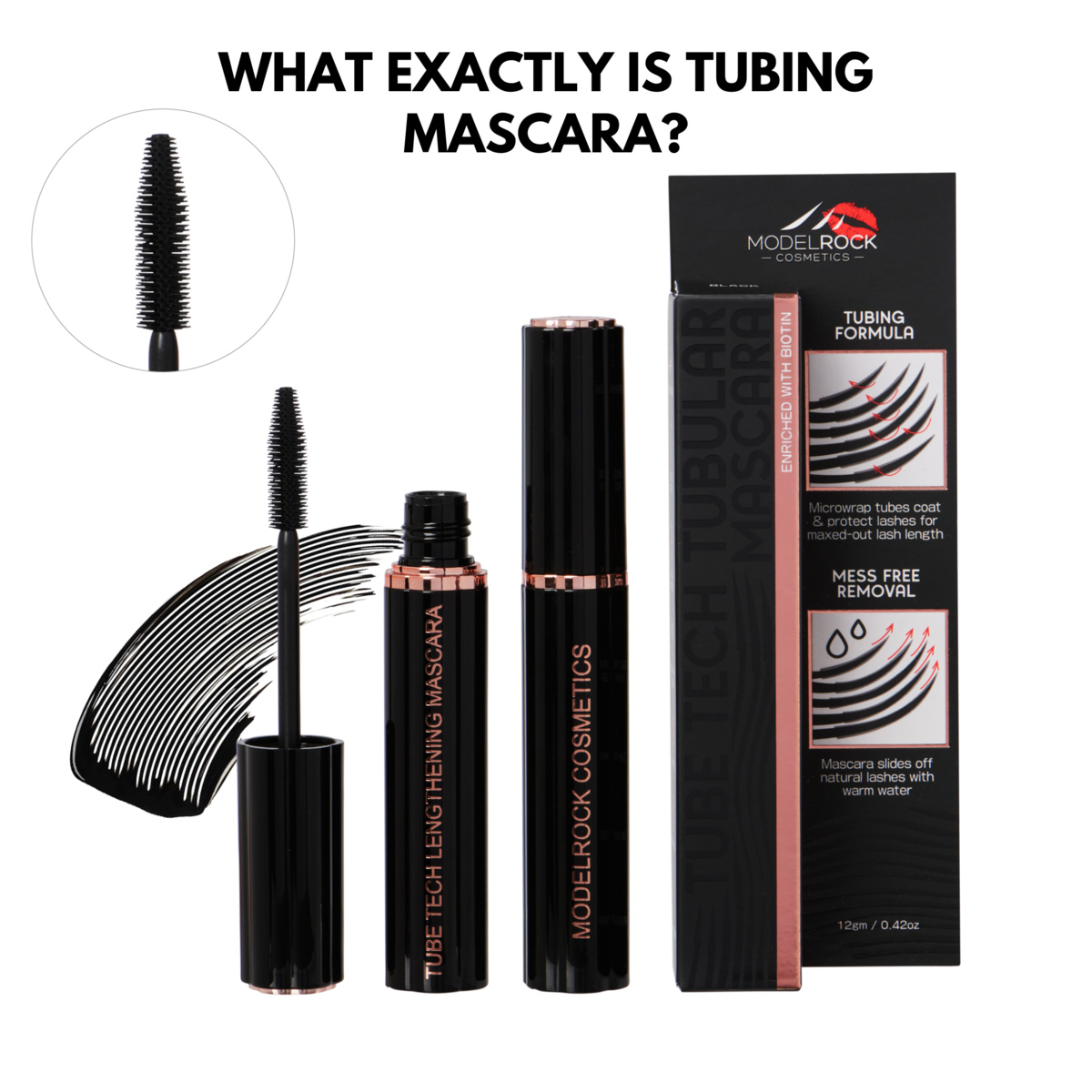
Tubing mascara coats each eyelash with a thin film of polymers. Instead of painting the lash with a wet pigment that dries on the surface, the formula forms small “tubes” around the lash.
This design can help reduce:
- Smudging under the eyes
- Flaking during normal daily wear
- Makeup transfer to the eyelid
- The need for oil-based makeup remover
Many tubing mascaras are removed with warm water and gentle pressure. The tubes slide off the lashes in small pieces rather than dissolving like traditional mascara.
That removal method is also the reason tubing mascara may not be ideal for swimming. Water that is warm enough, exposure that lasts long enough, or rubbing that is strong enough can disturb the tubes.
However, not every tubing mascara uses the same formula. Some products are more water-resistant than others. The product’s own instructions are more useful than the general term “tubing mascara.”
Can You Swim With Tubing Mascara?
You can swim with some tubing mascaras, but you should expect a higher chance of wear or removal than with a mascara specifically labeled waterproof.
A tubing mascara may hold up during:
- A short swim
- Light splashing
- A shower with cool or lukewarm water
- Activities where you do not rub your eyes
It may perform poorly during:
- Long pool sessions
- Hot tubs
- Ocean swimming
- Water sports
- Diving
- Sweaty workouts followed by water exposure
- Any activity that involves rubbing or wiping the eyes
The word water-resistant does not mean waterproof. It usually means the product can tolerate some moisture under certain conditions. It does not promise that the mascara will stay intact during repeated immersion.
For example, Thrive Causemetics describes its Liquid Lash Extensions Mascara as water-resistant and removable with warm water. Blinc also explains that its tubing mascara is water-resistant but not waterproof. These product statements show why the exact formula matters. A brand’s removal instructions can reveal how the mascara may react in water.
Why Tubing Mascara Can Come Off in Water
Tubing mascara stays on the lashes through a film-forming coating. The coating must be durable enough for daily wear but removable without harsh rubbing.
Warm water can soften or weaken that coating. When you add eye movement, friction, or a towel, the tubes may slide away from the lashes.
Several factors can change the result:
| Factor | Possible effect |
|---|---|
| Water temperature | Warm water may loosen the tubes faster |
| Time in the water | Longer exposure gives the coating more time to weaken |
| Rubbing | Can pull the tubes from the lashes |
| chlorine or salt | May irritate the eyes and increase blinking or rubbing |
| Goggles | Can reduce water contact and protect the mascara |
| Formula type | Some tubing formulas resist water better than others |
This does not mean every tubing mascara will immediately run. Tubing formulas often resist the dark streaks associated with traditional mascara because the pigment is held in a film. Still, the lashes may lose definition as the tubes loosen.
Tubing Mascara vs. Waterproof Mascara for Swimming
For swimming, a waterproof mascara is usually the more logical option, but it still has limits.
| Feature | Tubing mascara | Waterproof mascara |
|---|---|---|
| Main design | Forms tubes around lashes | Uses water-resistant waxes, oils, and film formers |
| Normal removal | Often warm water | Usually eye makeup remover or cleansing oil |
| Smudge resistance | Often strong during dry wear | Usually strong in water |
| Swimming performance | Varies; often not guaranteed | Usually better, if labeled waterproof |
| Removal effort | Often easier | May require more rubbing |
| Risk of eye irritation | Depends on formula and use | Depends on formula and remover |
A waterproof label is not a guarantee that mascara will never move. Pool chemicals, salt water, sweat, sunscreen, and rubbing can still affect it. Waterproof eye makeup can also be harder to remove, and forceful removal may irritate the eyelid or pull on lashes.
If you want the best balance of lash definition and eye protection, goggles are more dependable than relying on any mascara. Makeup can fail in water. A physical barrier can reduce the amount of water that reaches the eyes.
How to Check Whether Your Tubing Mascara Is Suitable
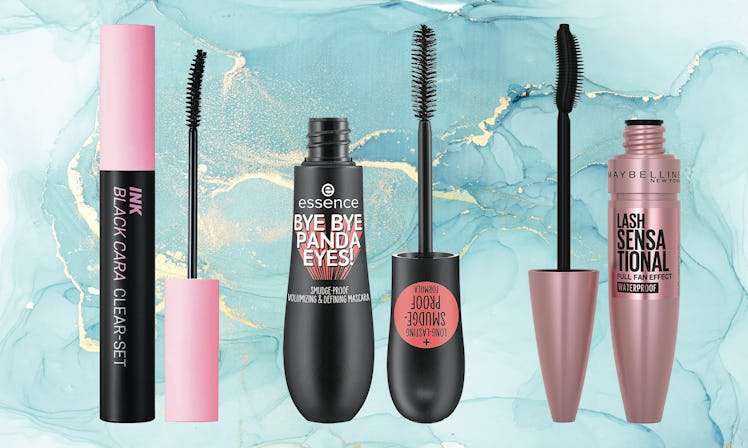
Before wearing tubing mascara in a pool or at the beach, check the package and the brand’s instructions.
1. Look for the exact water claim
Search for wording such as:
- Waterproof
- Water-resistant
- Sweat-resistant
- Not waterproof
- Removes with warm water
Do not assume “24-hour,” “smudge-proof,” or “long-wearing” means safe for swimming. Those claims may describe dry wear rather than immersion.
2. Read the removal instructions
If a product says to remove it with warm water, that is a sign that water plays a central role in breaking down or releasing the coating. It may still withstand brief splashes, but it may not remain intact during a swim.
3. Check for eye-use warnings
Follow the product label. Do not use mascara if the product has changed smell, texture, or color. Do not share eye makeup. Replace mascara according to the brand’s instructions, since liquid eye products can become contaminated over time.
The U.S. Food and Drug Administration advises consumers not to use eye cosmetics when they have an eye infection and to throw away eye makeup used during an infection. The FDA also warns against adding water or saliva to mascara because this can introduce germs.
4. Test it before an important event
If you plan to wear the mascara on vacation, test it before the trip. Apply it as directed, let it dry, and expose your face to cool water. Do not rub your eyes. Check for:
- Gray or black water around the eyes
- Lashes sticking together
- Flakes on the cheeks
- Stinging or redness
- Loss of curl or definition
This home test cannot prove that the mascara is swim-proof. It can only help you learn how the formula reacts to brief water exposure.
How to Wear Tubing Mascara in Water With Less Risk
If you choose to wear tubing mascara while swimming, use these steps:
- Choose a product with a clear water-resistant claim. Avoid relying on the word “tubing” alone.
- Apply a thin coat. Heavy layers may be more likely to loosen or shed.
- Let the mascara dry fully. Follow the time stated by the brand, if one is provided.
- Wear goggles that seal comfortably. Avoid goggles that press hard against the lashes.
- Do not rub your eyes. Pat the skin around the goggles with a clean towel instead.
- Rinse your face with clean water afterward. This can help remove chlorine, salt, and loosened makeup.
- Remove the mascara gently. Use the product’s stated method and do not pull at the lashes.
If you wear contact lenses, follow your eye-care professional’s instructions. Water can expose contact lenses to microorganisms and chemicals. The U.S. Centers for Disease Control and Prevention advises contact lens wearers to keep lenses away from water, including swimming-pool water, hot tubs, lakes, and oceans. Prescription swim goggles may be a safer option than swimming in contact lenses.

What to Do If Tubing Mascara Gets in Your Eye
If mascara enters your eye, stop swimming and rinse the eye with clean, lukewarm water or sterile saline. Do not scrub the eye or try to remove a stuck particle with a fingernail.
Remove contact lenses if you can do so easily. Seek medical care promptly if you have:
- Ongoing pain
- Blurred vision
- Light sensitivity
- Marked redness
- Swelling
- A feeling that something remains in the eye
- Symptoms that do not improve after rinsing
Pool chemicals can also cause temporary irritation. Persistent symptoms should not be blamed on mascara alone. An eye-care professional can check for a scratch, chemical irritation, allergic reaction, or infection.
Do not use eye drops that promise to “get the red out” as a substitute for an eye examination when symptoms are severe or persistent.
Common Mistakes to Avoid
Treating tubing mascara as automatically waterproof
“Tubing” describes how the formula forms a coating around the lashes. It does not guarantee resistance to full immersion.
Removing it with hot water
Very hot water may irritate the skin and eyes. Use the temperature and method given by the manufacturer. Warm or lukewarm water is generally the intended approach for formulas designed to slide off with water.
Rubbing the lashes after swimming
Rubbing can spread pigment, pull out lashes, and irritate the eye. Rinse first, then pat dry.
Using old or shared mascara
Mascara comes into close contact with the eye. Do not share it, and replace it based on the product label or the advice of an eye-care professional.
Wearing makeup when the eye is already irritated
Mascara can make irritation harder to assess. Wait until the eye is comfortable and clear, and seek medical advice if symptoms continue.
Is Tubing Mascara Better for the Beach or Pool?
Tubing mascara may be acceptable for a brief beach visit when you are not planning to swim. It may also handle light spray better than a formula that smudges easily.
For active swimming, the decision changes:
- Pool swimming: Chlorine may irritate the eyes and encourage rubbing. Goggles are helpful.
- Ocean swimming: Salt water, waves, and wind can cause more blinking and rubbing.
- Hot tubs: Heat and water exposure can loosen tubing mascara more quickly. Eye makeup is best avoided.
- Water parks: Repeated splashing and towel drying create a high chance of removal.
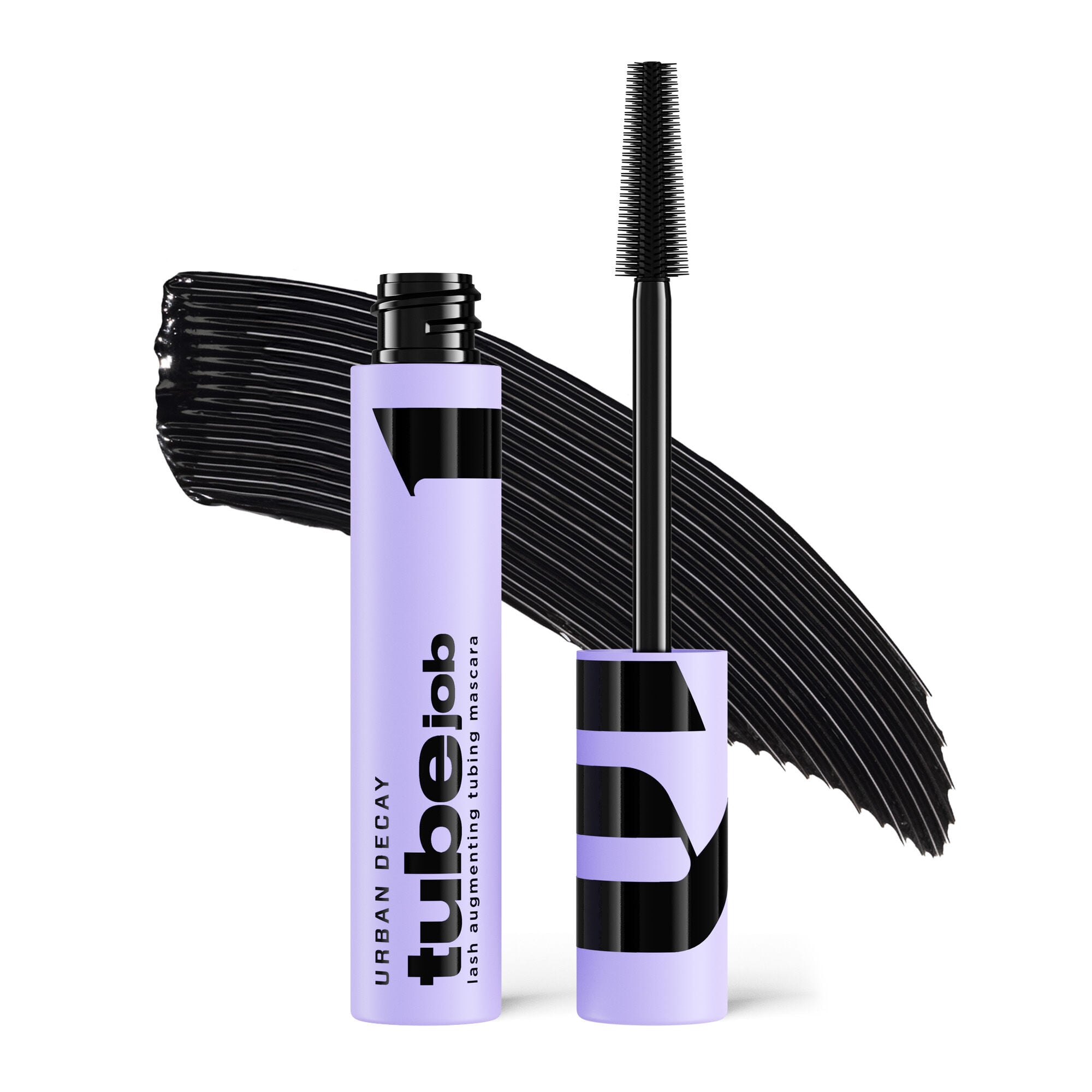
If your priority is clean, intact lashes after swimming, choose a product that is specifically labeled waterproof and still use goggles. If your priority is easy removal and gentle daily wear, tubing mascara may be better for ordinary use than for the water.
Frequently Asked Questions
Does tubing mascara run in water?
It may not run in the same way as traditional mascara, but it can loosen and come off in small pieces. The result depends on the formula, water temperature, exposure time, and whether you rub your eyes.
Can you wear tubing mascara in the shower?
A short shower may be fine for some formulas, especially with cool or lukewarm water. Long, hot showers can loosen tubing mascara. Follow the brand’s removal instructions.
Is tubing mascara safe for contact lens wearers?
The mascara itself may be suitable for some contact lens wearers, but swimming in contact lenses creates a separate risk. The CDC advises keeping contact lenses away from water. Ask your eye-care professional for advice specific to your lenses and eye health.
How do you remove tubing mascara after swimming?
Start with lukewarm water and gently press the lashes with clean fingers or a soft, clean cloth if the product instructions allow it. Do not pull or scrub. If the mascara does not release, use the remover recommended by the brand.
Should you wear mascara when swimming?
The safest option for avoiding eye irritation is to swim without mascara. If you wear it, choose a product with a clear water-resistance claim, use goggles, avoid rubbing, and remove it gently afterward.
Bottom Line
You can swim with tubing mascara, but most tubing mascaras are not reliably swim-proof. They may handle splashes and short exposure, yet warm water, chlorine, salt, rubbing, and long swims can loosen the tubes.
Check the exact product label instead of assuming all tubing mascaras perform alike. For regular swimming, goggles and minimal eye makeup are the safer approach. If you develop pain, blurred vision, strong redness, or lasting irritation, rinse the eye and contact an eye-care professional.
