
Introduction
Yes, you can layer tubing mascara. The best results come from adding thin coats while the first coat is still slightly wet. This helps build length and volume without making the lashes stiff or clumpy.
For people in the United States, tubing mascara is popular because it wears well through long workdays, heat, and light moisture. It also removes with warm water instead of oil-based makeup remover in many formulas. Still, layering it the wrong way can cause uneven tubes, flakes, or lashes that feel heavy.
This guide explains how tubing mascara works, how many coats to use, whether you can layer it with regular mascara, and what to do when the finish goes wrong.

The short answer: Yes, but use thin coats
You can layer tubing mascara, and two or three light coats are usually more effective than one thick coat.
Tubing mascara contains film-forming polymers. These polymers wrap around individual lashes as the product dries. Each lash gets a small “tube” or sleeve rather than a simple layer of pigment.
A second coat can add:
- More length
- More black color
- Extra separation
- A small amount of volume
- Better coverage at the lash roots and tips
The main limit is dryness. If the first coat fully hardens before you add the next one, the second coat may not bond evenly. It can leave tiny clumps or make the lashes look stiff.
Best rule: Apply the next coat when the previous coat is set but not fully dry.
Most people can start with two coats. Add a third only if the lashes still look clean and flexible.

How to layer tubing mascara step by step
Layering works best when you control the amount of product on the wand and give each coat a clear purpose.
1. Start with clean, dry lashes
Remove oil, eye cream, and old makeup from the lashes. Oil can make it harder for the film-forming ingredients to grip the hair.
Pat the eye area dry. Do not apply tubing mascara over wet lashes unless the product instructions say you can.
2. Remove excess mascara from the wand
Pull the wand out slowly. Wipe one side against the tube opening if a large amount of product collects on the brush.
Too much product is the most common cause of clumps. A thin coat gives the polymers room to form separate tubes around each lash.
Do not pump the wand in and out of the tube. This pushes air into the package and can dry out the mascara faster.
3. Apply the first coat from root to tip
Place the wand near the lash roots. Move it upward with a slow, gentle wiggle.
Then pull the wand toward the tips. Try to coat the full length of each lash. Do not keep brushing the same area for a long time, because the product may begin to set before you finish.
4. Wait briefly, not until the lashes are hard
Give the first coat a short moment to settle. The exact time depends on the formula, room temperature, humidity, and how much product you used.
The lashes should feel lightly set but still look flexible. This is the ideal time for the second coat.
5. Add the second coat with a lighter hand
Focus the second coat on the areas that need more effect:
- The tips for added length
- The outer lashes for a lifted look
- The roots for more definition
- Sparse areas for fuller coverage
Use fewer strokes than you used for the first coat. Repeated brushing can pull off partly formed tubes.
6. Separate lashes before the mascara fully dries
If two lashes stick together, use a clean lash comb or a clean, dry spoolie. Work from the roots toward the tips.
Do not force apart a hard clump. Pulling can stress or break the lashes.
7. Stop when the lashes look defined
More coats do not always create more volume. After two or three coats, extra product may make the lashes look thick but less separated.
A successful finish should look dark and even. The lashes should remain comfortable and should not feel glued together.

Can you layer tubing mascara with regular mascara?
You can, but the order matters. In most cases, use tubing mascara as the final mascara layer.
Applying regular mascara under tubing mascara may work if the first product is fully dry. However, the two formulas may not bond well. The result can be clumps, flakes, or a longer removal process.
Applying regular mascara over tubing mascara is less predictable. A traditional wax- or oil-based formula can cover the tubes and reduce the easy warm-water removal that makes tubing mascara useful.
Common layering combinations
| Combination | Can it work? | Main concern |
|---|---|---|
| Tubing mascara over tubing mascara | Yes | Use thin coats before the first coat fully dries |
| Regular mascara over tubing mascara | Sometimes | May reduce clean removal and add clumps |
| Tubing mascara over regular mascara | Sometimes | The base must be fully dry and smooth |
| Waterproof mascara over tubing mascara | Usually not ideal | Can make removal harder and increase tugging |
| Lash primer under tubing mascara | Often possible | Check the primer instructions and let it set lightly |
If you need more volume, try a mascara primer made to work with your tubing formula. Test the combination on one eye first. Formulas vary, so a pairing that works for one brand may fail with another.
Avoid mixing mascaras inside the same tube. Do not add water, oil, or makeup remover to thin a drying formula. This can change the product and raise the risk of eye irritation.
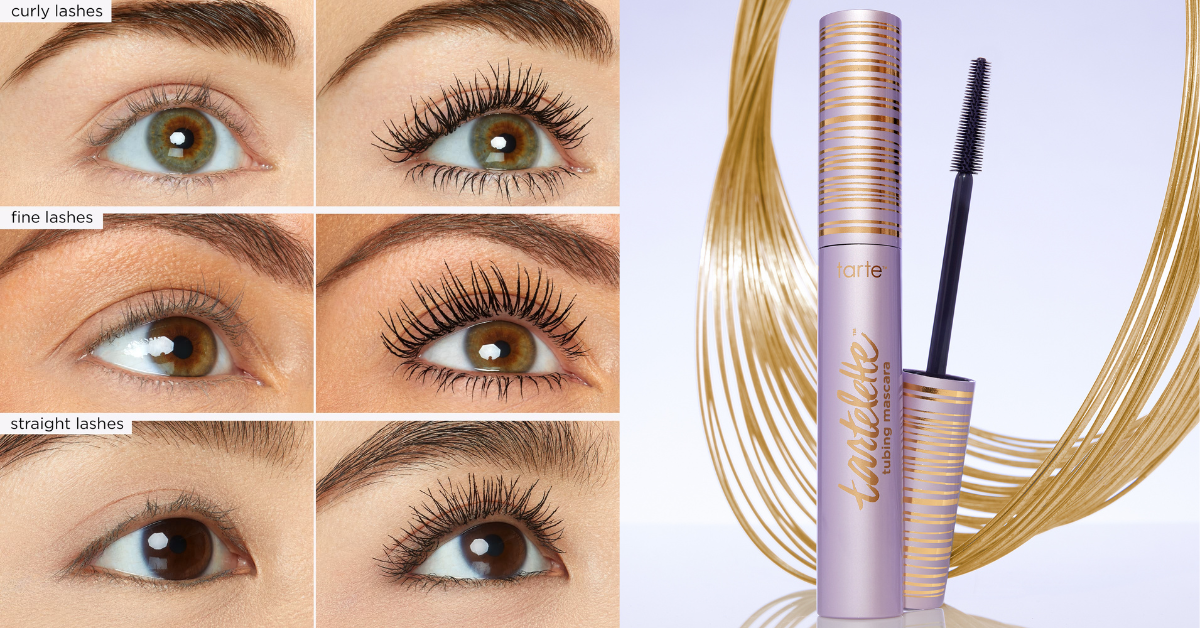
How many coats of tubing mascara should you use?
Two coats are a good starting point for most lash types. A third coat may help if you want more drama, but it should be very thin.
Your preferred number of coats depends on your goal:
- Natural definition: One thin coat
- More length: Two coats, with extra product on the tips
- More volume: Two coats, with the second coat focused near the roots
- Dramatic makeup: Two or three thin coats
- Fine or short lashes: Small amounts applied slowly
- Thick lashes: One or two coats to avoid a heavy finish
A simple test can help. Look at the lashes from the side after each coat. If they remain separate and curved, another thin coat may work. If they look stuck together or point downward, stop and comb them before adding more.
The goal is not a certain number. The goal is even coverage without hard, joined lashes.
What to do when layered tubing mascara looks clumpy
Clumps usually come from too much product, too many strokes, or waiting too long between coats.
Try these fixes:
- Use a clean spoolie while the mascara is still soft. Comb from the roots upward.
- Remove excess product from the wand. The next coat should be lighter.
- Separate one lash at a time. A metal lash comb can help, but use it slowly and keep it away from the eye.
- Do not add more mascara to hide clumps. More product usually makes the problem worse.
- Remove and start again if the lashes feel hard. Warm water is often enough for tubing formulas.
If the mascara flakes during the day, the formula may be too dry, the coats may be too thick, or the product may be old. Check the package for the brand’s use period and discard mascara if it has changed smell, texture, or performance.

Is layering tubing mascara safe for your eyes?
Layering is generally a cosmetic-use choice, not a treatment for the eyes. Safety depends on using the product as directed and keeping the applicator clean.
The U.S. Food and Drug Administration advises consumers not to share eye cosmetics and to stop using a product if it causes irritation. The FDA also notes that mascara can become contaminated over time. Follow the product label, and replace mascara according to the manufacturer’s instructions.
Use extra care if you:
- Have an eye infection
- Have recently had eye surgery
- Wear contact lenses
- Have very sensitive eyes
- Have a history of eyelid inflammation
- Notice burning, swelling, pain, or unusual redness
Remove contact lenses before removing eye makeup unless your eye-care professional has told you otherwise. Avoid pulling at the lashes. Let warm water soften the tubes, then gently slide them away with clean fingers or a soft cloth.
Stop using the mascara if irritation continues. Seek medical care for eye pain, vision changes, marked swelling, or symptoms that do not improve.

Common mistakes when layering tubing mascara
Applying a thick first coat
A thick first coat leaves little room for the second coat. Start with less product and build slowly.
Waiting until the first coat is completely dry
A fully dry coat can resist the next layer. This often creates uneven texture. Add the next coat while the first is set but still flexible.
Brushing too fast
Fast strokes can skip parts of the lash and spread product onto the eyelid. Slow, controlled strokes give better coverage.
Using an old or dry formula
Dry mascara does not form smooth tubes. Do not revive it with water or oil. Replace it instead.
Curling lashes after applying mascara
Curling after mascara dries can bend or break lashes. If you use an eyelash curler, use it before mascara and keep the pressure gentle.
Removing the product with strong rubbing
Tubing mascara usually needs softening with warm water. Rubbing with a dry cotton pad can pull on the lashes and irritate the eyelid.

Frequently asked questions
Can you layer tubing mascara after it dries?
You can, but the result may be less smooth. If the first coat is fully dry, use a very light second coat and avoid repeated brushing. For the cleanest finish, layer while the first coat is partly set.
Can you use tubing mascara every day?
Many people use it daily, but follow the product label and stop if your eyes become irritated. Daily use does not remove the need for careful removal, clean hands, and regular product replacement.
Does layering tubing mascara make lashes longer?
It can make lashes look longer by adding more polymer film and pigment to the existing lash. It does not increase the actual length of the lash.
Can you layer tubing mascara on bottom lashes?
Yes. Use much less product on bottom lashes because they are shorter and closer to the skin. A small, narrow wand may give better control.
How do you remove several layers of tubing mascara?
Soak the lashes with comfortably warm water for several seconds. Gently press and slide the softened mascara away with clean fingers or a soft, damp cloth. Do not scrub or pull.
Conclusion
Yes, you can layer tubing mascara. Apply one thin coat, let it set without becoming fully hard, and add a lighter second coat. Most people need no more than two or three coats.
Keep tubing mascara as the final mascara layer when possible. Avoid mixing formulas without testing them, and stop if the lashes become clumpy, stiff, or uncomfortable. For safe removal, soften the tubes with warm water and slide them away instead of rubbing.
