Curly hair thrives on moisture, gentle handling, and the right products and routines.
I’ve worked with hundreds of curl types and tested routines over years. This guide on how to take care of curly hair walks you through curl science, daily routines, product choices, styling tips, and common fixes. Read on for simple, proven steps you can use today to protect your curls and boost definition, shine, and health.

Understand your curls: types, structure, and needs
Curly hair is not one thing. It ranges from loose waves to tight coils. Knowing your curl pattern helps you pick the right care when figuring out how to take care of curly hair.
Curl classification and what it tells you
- Type 2 (wavy): needs light moisture and frizz control.
- Type 3 (curly): needs more hydration and definition.
- Type 4 (coily/kinky): needs heavy moisture, detangling care, and gentle handling.
Key hair traits to check
- Porosity: low, normal, or high porosity affects how your hair absorbs and retains moisture.
- Density: thin or thick sections change product amount and technique.
- Elasticity: healthy curls stretch and bounce back; low elasticity means breakage risk.
Why structure matters
- Curly hair has bends that make natural oils travel slower. That causes dryness. This is a core reason to focus on moisture when learning how to take care of curly hair.

Build a gentle wash-and-condition routine
A calm, consistent wash routine protects curls and boosts definition when you learn how to take care of curly hair.
How often to wash
- Wash 1–3 times per week depending on oiliness, sweat, and styling product buildup.
- Over-washing strips natural oils. Under-washing can cause buildup and limp curls.
Choose the right cleanser
- Use sulfate-free shampoos or gentle cleansers made for curls.
- Consider co-washing (conditioner-only wash) for very dry or tightly coiled hair.
Conditioning steps
- Apply a creamy conditioner after cleansing. Finger-detangle while conditioner is in.
- Use a deep conditioner or mask once a week to restore moisture and elasticity.
Quick routine
- Wet hair with warm water.
- Apply cleanser on scalp and roots; rinse.
- Work conditioner through lengths and ends; detangle.
- Rinse with cool water to seal cuticles if desired.
Tools and habits
- Use a wide-tooth comb or your fingers to detangle.
- Avoid rough towel drying; use a microfiber towel or a cotton T-shirt.
Detangling, styling, and product choices
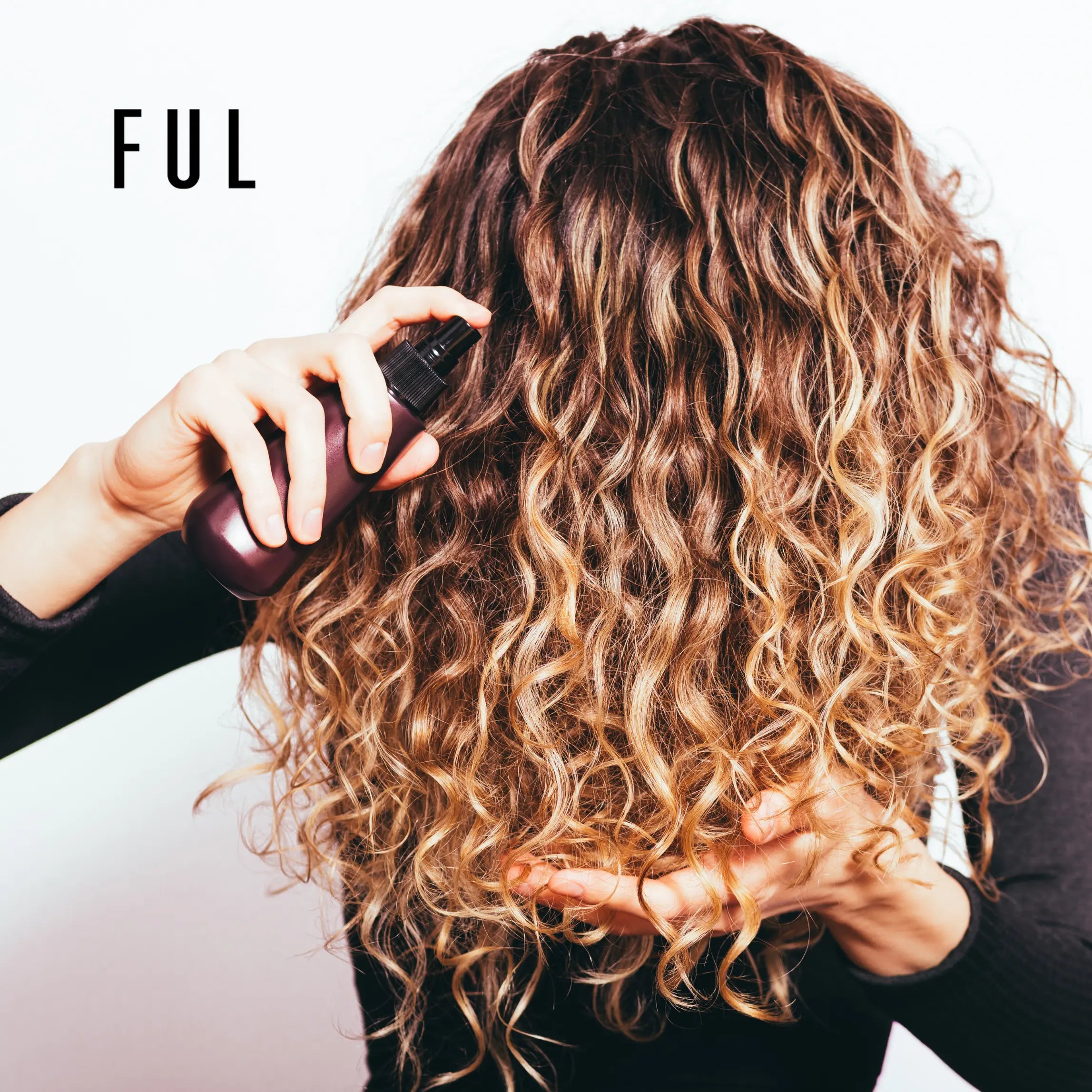
Good product layering and gentle styling are central to how to take care of curly hair. Layer products from lightest to heaviest.
Core product types
- Leave-in conditioner: base hydration and slip for detangling.
- Creams: add moisture and weight for defined curls.
- Gels: provide hold and reduce frizz without crunch when used right.
- Oils: seal moisture and add shine; use sparingly on ends.
Layering methods
- LOC (Liquid, Oil, Cream) works for many porosities.
- LCO (Liquid, Cream, Oil) can help low-porosity hair.
- Test small amounts and adjust based on how your curls respond.
Styling techniques
- Scrunch while applying products to encourage curl formation.
- Use the pruning method: rake product in, then scrunch to shape.
- Diffuse on low heat or air dry for less frizz.
Heat styling and protection
- Heat can relax curl patterns. Use a heat protectant and low heat if you must style.
- Embrace air-drying and diffuse only when needed.
PAA-style questions
How often should I apply styling products to my curls?
Apply styling products each wash day. Reapply in small amounts on the second or third day to refresh without buildup.
Can I use oil every day on my curls?
You can, but use light oils and apply mainly to ends. Overuse can weigh curls down and attract dust.
Does gel make curly hair crunchy?
Some gels can. Use a small amount and scrunch out the crunch after hair dries to soften the cast without losing hold.

Nighttime care and protective routines
Night habits affect curl health. Good nighttime care is a simple step in how to take care of curly hair.
Protective moves
- Pineapple: gather hair loosely on top of the head with a silk scrunchie.
- Satin or silk pillowcases reduce friction and frizz.
- Satin or silk bonnets keep styles intact and reduce breakage.
Overnight styling tips
- Refresh with a water-and-leave-in spray if curls need life.
- For stretched styles, twist or braid hair gently to avoid kinks.

Common problems and fixes
Troubleshooting common issues makes learning how to take care of curly hair faster and less stressful.
Frizz
- Cause: humidity, dryness, friction.
- Fix: increase moisture, use anti-frizz gel or serum, sleep on satin.
Dryness and breakage
- Cause: heat, chemical treatments, rough detangling.
- Fix: deep condition weekly, low-heat styling, gentle detangling, regular trims.
Limp or weighed-down curls
- Cause: heavy product buildup or wrong product type.
- Fix: clarify monthly, switch to lighter products, reduce oil use near roots.
Scalp issues
- Cause: product buildup or imbalanced sebum.
- Fix: use a scalp scrub or gentle clarifying shampoo occasionally and avoid heavy oils on roots.
Product buildup
- Cause: layers of styling products and oils.
- Fix: add a monthly clarifying rinse. Follow with a deep conditioning mask.

My experience: mistakes I made and what I learned
I spent years testing routines across curl types. I learned quick lessons the hard way and I share them here so you don’t repeat my mistakes.
Lessons from trial and error
- I overused oils early on. That weighed down my curls and hid definition. Now I apply oil only to ends after styling.
- I trimmed too little. Small, regular trims kept my curls healthy and shaped.
- I skipped porosity tests. After I learned porosity, product choices improved dramatically.
Practical tips I trust
- Start with a mild cleanser and a rich conditioner. Adjust from there.
- Try product layering on one section first to see how your curls react.
- Keep a simple rotation: one clarifying, one deep conditioner, one leave-in, one styling gel.

Frequently Asked Questions of how to take care of curly hair
How often should I trim curly hair?
Trim curly hair every 8–12 weeks to remove split ends and shape curls. Regular small trims keep hair healthy and reduce frizz.
Is sulfate-free shampoo better for curls?
Yes. Sulfate-free shampoos clean without stripping natural oils, which helps maintain moisture and curl definition. Use a clarifying wash occasionally if needed.
Can I sleep with wet curls?
Avoid sleeping with fully wet curls; they can mat and frizz. If you must, loosely pineapple hair and use a satin pillowcase to reduce damage.
What is the best way to detangle curly hair?
Detangle in the shower with conditioner and use fingers or a wide-tooth comb from ends to roots. Work in small sections to avoid breakage.
Do I need different products for color-treated curly hair?
Yes. Color-treated curls need extra moisture and color-safe products to prevent dryness and fading. Use protein-free deep conditioners if your hair feels stiff.
Conclusion
Curly hair responds to consistency, moisture, and gentle handling. Use the right cleanser, condition well, layer products wisely, protect hair at night, and adjust for porosity and density. Start small: pick one change this week — like switching to a sulfate-free shampoo or trying a silk pillowcase — and watch your curls improve. Try these steps, share your results, and ask questions below to keep learning and refining your routine.