
Introduction
For people in the United States, eyebrow pencil is a common way to fill sparse brows, shape an arch, or cover small gaps. The short answer is no: eyebrow pencil does not usually stop eyebrow growth. It sits on the skin and hair shaft. It does not reach the living part of the follicle, where hair growth starts.
Problems can happen if a product causes an allergic rash, if you scrub hard when removing it, or if you pull out brow hairs while applying makeup. If your brows keep getting thinner, the pencil may not be the real cause. Skin disease, stress, thyroid problems, medicines, and alopecia areata can also affect eyebrow hair.

Can eyebrow pencil stop eyebrow growth?
Eyebrow pencil does not stop normal hair growth when used as directed. Most pencils contain waxes, oils, pigments, and binding agents. These ingredients coat the brow hair and nearby skin. They do not normally damage the hair follicle below the skin.
The visible brow hair is made of keratin, a tough protein. The follicle is the living structure under the skin. A pencil colors the part you can see, but it does not alter the follicle’s growth cycle.
This means you can use a brow pencil every day and still have normal growth. You may notice shed hairs on the pencil or makeup pad, but that does not prove the product stopped growth. Eyebrow hairs naturally shed and regrow at different times.
The main exception is indirect harm. A pencil may contribute to hair loss if it leads to:
- Itchy or inflamed skin
- Repeated rubbing or scratching
- Rough makeup removal
- Pulling hairs during application
- A reaction to fragrance, preservative, dye, or another ingredient
- Infection from a dirty or shared product
These effects are different from the pencil directly stopping the follicle. In most cases, the issue is irritation or physical traction.

Why might eyebrows look thinner after using a pencil?
Eyebrows may look thinner for several reasons, and the pencil itself is only one possible factor. The first step is to compare the timing, symptoms, and pattern of the change.
The pencil may hide the true pattern
A pencil can make a brow look full during the day but sparse after removal. This contrast can make normal thinning seem sudden. Dark makeup can also make small gaps more noticeable once it comes off.
Take a photo of both brows in the same light once a week. This gives you a better view than checking several times a day.
Irritant or allergic contact dermatitis
Some people react to an ingredient in brow makeup. Irritant dermatitis can follow repeated exposure or rubbing. Allergic contact dermatitis is an immune reaction to a specific ingredient.
Possible signs include:
- Redness
- Itching
- Burning
- Swelling
- Flaking
- Small bumps
- Tender or sore skin
Inflamed skin can cause temporary shedding. Scratching can also pull out hairs or injure the skin. Stop using the product if these symptoms begin. Seek medical advice if the rash spreads, blisters, affects the eyes, or does not improve.
The U.S. Food and Drug Administration advises consumers to stop using an eye cosmetic if it causes irritation. Eye-area products need extra care because the skin is thin and the eyes are sensitive.
Rough removal
Waterproof or long-wear pencil may need more effort to remove. Scrubbing back and forth can break brow hairs or pull them from the skin.
Use a gentle makeup remover that suits your skin. Hold a damp cotton pad over the area for a few seconds. Then wipe in the direction of hair growth. Do not scrape dried makeup from the brow.
Repeated plucking
Some people draw over a brow, dislike the shape, and then pluck several hairs. Repeated plucking can damage follicles over time. The risk comes from the pulling, not from the pencil pigment.
If you want to change your brow shape, make small changes. Avoid removing many hairs at once.
A separate health condition
Hair loss in the brows can result from causes unrelated to makeup. Examples include:
- Alopecia areata
- Eczema or psoriasis
- Thyroid disease
- Nutrient deficiency
- Hormonal change
- Some medicines
- Scarring from injury or infection
- Trichotillomania, which involves repeated hair pulling
A pencil cannot explain every case of brow loss. A sudden bald patch, loss on both outer brows, or thinning with scalp hair loss deserves a medical evaluation.
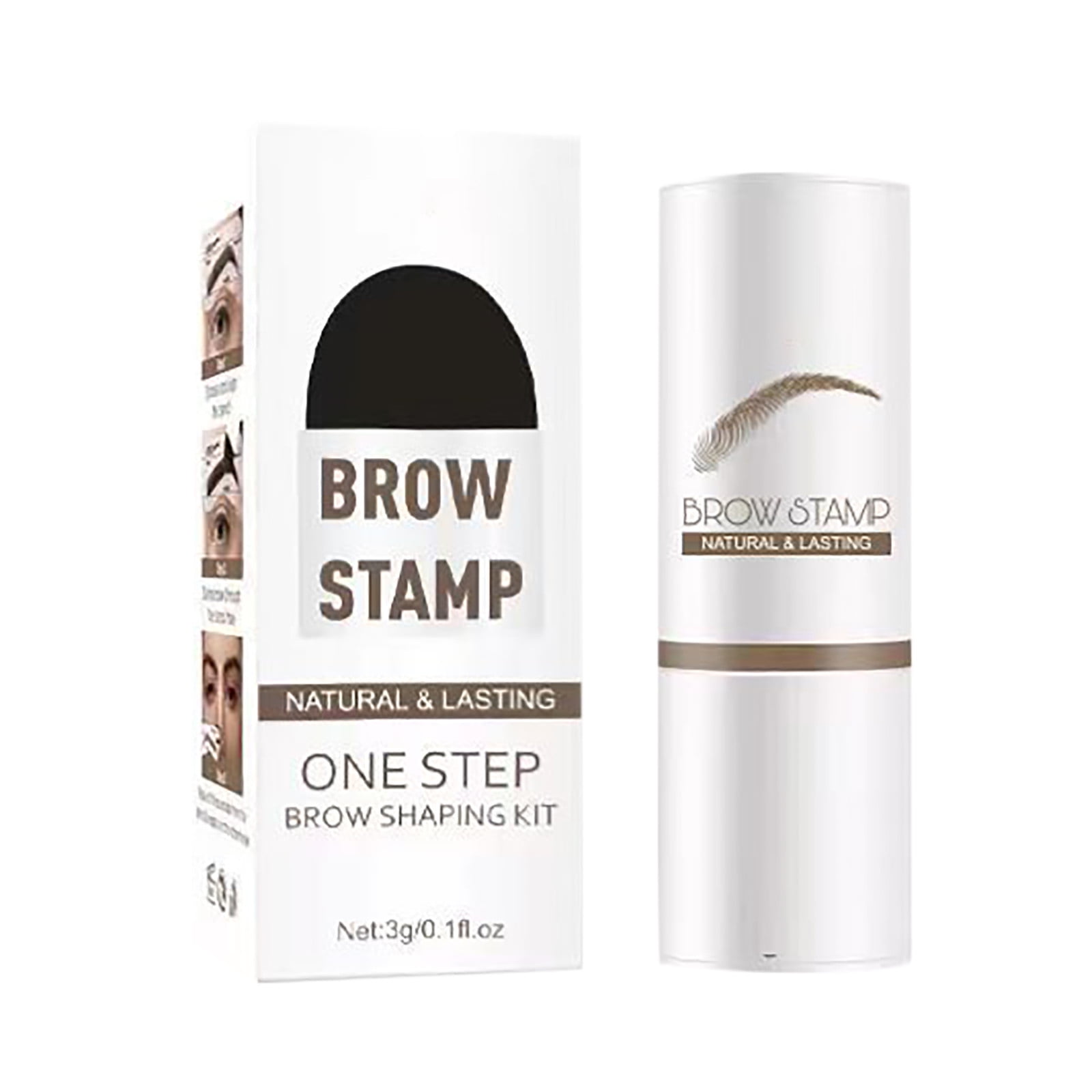
How to use eyebrow pencil without harming your brows
Safe use depends more on gentle habits and clean tools than on the pencil format itself.
1. Check the product and its condition
Use a product made for the eye area. Do not use an old pencil with a strange smell, changed texture, or visible contamination.
Do not share brow pencils. Sharing can spread germs, especially when a pencil touches broken skin or the area near the eye.
If you sharpen the pencil, use a clean sharpener made for cosmetic pencils. A dull pencil may drag across the skin and create more friction.
2. Test a new formula carefully
If your skin reacts easily, place a small amount of the product on a less visible area, such as the inner forearm. Wait and watch for a reaction over the next day or two.
A home patch test cannot rule out every allergy. It also cannot prove that a product is safe near the eyes. Stop using the product if you develop itching, burning, or a rash.
3. Apply with light pressure
Use short, soft strokes in the direction your brow hair grows. Do not press hard to create a solid block of color.
A light hand reduces friction and gives a more natural result. It also makes removal easier.
4. Remove makeup gently
Remove brow makeup before bed, especially if the product feels dry or causes itching. Use a gentle cleanser or eye-safe makeup remover.
Do not use harsh soap, alcohol, or rough exfoliants on the brow area. Pat the skin dry instead of rubbing it.
5. Give irritated skin time to recover
If your brows become sore or red, stop the suspected product. Avoid waxing, threading, tinting, and strong skin treatments until the area feels normal.
If symptoms return each time you use the same pencil, do not keep testing it. A dermatologist or other qualified clinician can help identify the cause.

What should you do if your eyebrows are thinning?
Start with a simple check before buying a growth product or changing your whole routine.
Look for the pattern
Ask these questions:
- Is the loss in one small patch or spread across the brow?
- Are both eyebrows affected?
- Is the skin red, itchy, scaly, or painful?
- Are you losing scalp hair, eyelashes, or body hair too?
- Did the change follow a new product, illness, major stress, or medicine?
- Are you pulling, rubbing, waxing, threading, or scratching the area?
A small area of broken hairs after rough removal may improve once the habit stops. Smooth, round bald patches may need a clinical assessment.
Take a break from possible triggers
Stop the newest brow product first. Keep the routine simple for several weeks. Avoid picking and use a clean spoolie with very light pressure if you need to groom the hairs.
Do not apply prescription creams, minoxidil, essential oils, or eyelash-growth products to the brows without medical guidance. Products that are safe for one body area may irritate the skin or eyes.
Know when to seek care
Make an appointment with a dermatologist or primary care clinician if:
- Hair loss continues for several weeks
- A bald patch appears suddenly
- The skin is painful, swollen, crusted, or infected
- You have scalp hair loss or unusual fatigue
- You have symptoms that may suggest thyroid or hormonal problems
- You suspect a medicine is affecting hair growth
- Hair loss is causing distress or keeps returning
Get prompt care for severe swelling, trouble breathing, or eye pain. Those symptoms may signal a serious allergic reaction or eye problem.
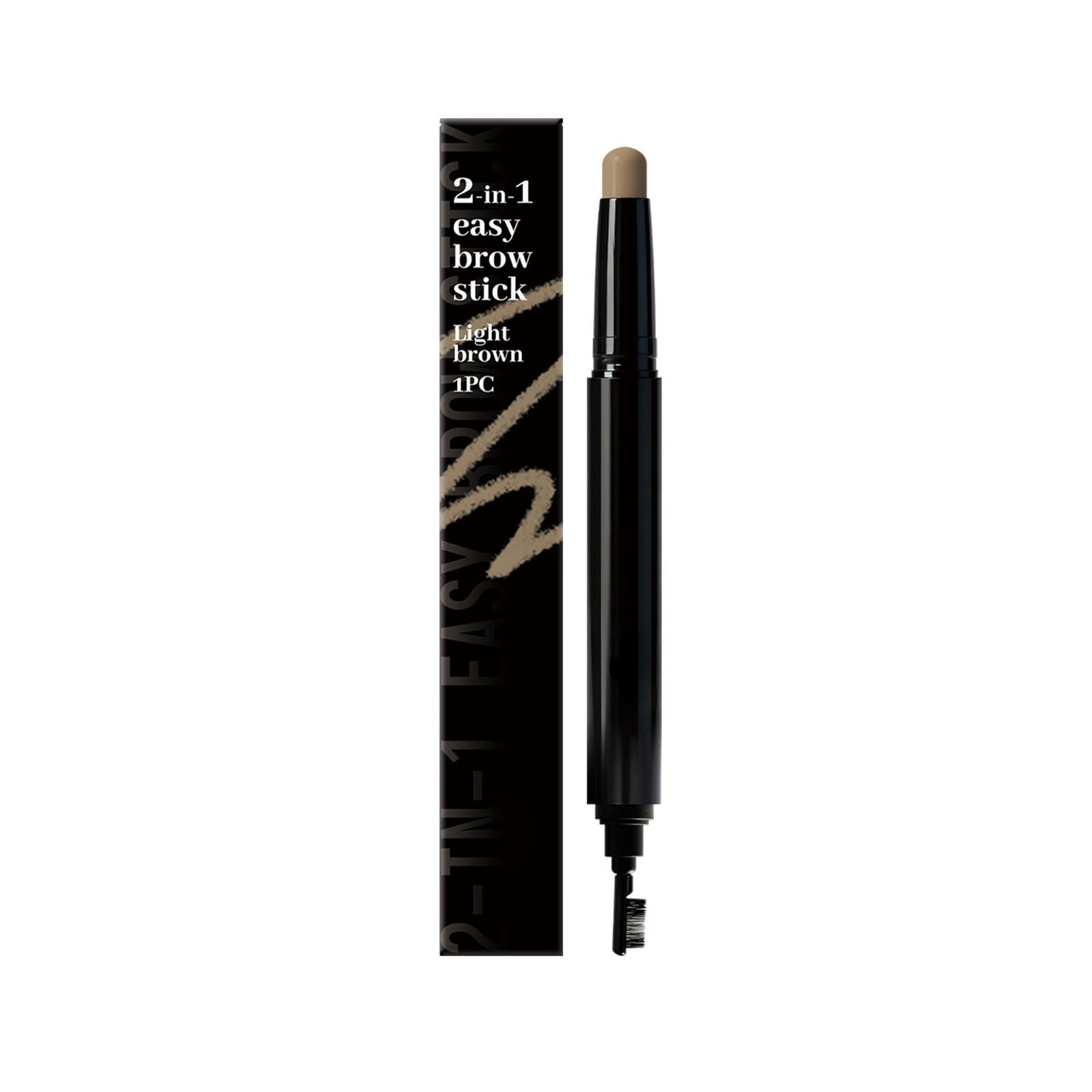
How long do eyebrows take to grow back?
Eyebrow regrowth varies. A hair that falls out may not appear again right away because each follicle follows its own growth cycle. Broken hairs may look better sooner than hairs pulled from the root.
If the follicle is healthy, visible improvement may take weeks to months. Ongoing irritation, repeated plucking, inflammation, or scarring can slow or limit regrowth.
There is no single guaranteed eyebrow growth timeline. Take monthly photos in the same lighting rather than judging progress each day.
The key sign of improvement is less shedding and the gradual return of short new hairs. If the area stays smooth or continues to expand, arrange a medical evaluation instead of assuming the pencil caused it.

Eyebrow pencil versus other brow products
The product type does not decide whether brows will grow. Application and removal habits matter more.
| Product | Main effect | Common concern |
|---|---|---|
| Eyebrow pencil | Adds color and fine strokes | Friction from hard application or removal |
| Brow powder | Adds soft color | Fallout or irritation from ingredients |
| Brow gel | Holds hairs in place | Stiffness or pulling during removal |
| Pomade | Adds strong color and shape | More buildup and harder removal |
| Tint | Colors brow hair for a longer period | Greater risk of chemical irritation or allergy |
| Wax or threading | Removes hair | Repeated pulling or skin irritation |
Tint, wax, and threading can affect the skin or hair more directly than a pencil. This does not mean they always cause harm. It means you should follow product directions and stop if you develop a reaction.

Common mistakes that can lead to brow problems
Avoiding a few habits can protect both the skin and the hair.
- Using a pencil on broken skin: This can increase irritation and contamination.
- Sharing makeup: Germs can spread between users.
- Keeping eye makeup too long: Old products may become contaminated.
- Scrubbing to remove waterproof color: Friction can break or pull hairs.
- Using a dull pencil: It may drag instead of glide.
- Picking at flakes: Picking can remove hairs and damage the skin.
- Applying hair-growth medicine without advice: The wrong product can irritate the eyes or skin.
- Assuming all thinning comes from makeup: Medical causes can look similar at first.
A clean product and a gentle routine are usually enough for daily brow makeup. Persistent loss needs a different response.

FAQs about eyebrow pencil and growth
Can eyebrow pencil make eyebrows grow faster?
No. Eyebrow pencil adds color but does not stimulate the follicle. It can make brows look fuller while you wear it, but that is a cosmetic effect.
Is it bad to wear eyebrow pencil every day?
Daily use is usually fine if the product is intended for the eye area and does not irritate your skin. Remove it gently, keep the pencil clean, and replace it when it becomes old or contaminated.
Can eyebrow pencil cause permanent hair loss?
A pencil does not usually cause permanent hair loss. Permanent loss is more concerning when there is scarring, long-term inflammation, repeated traction, or an untreated medical condition.
Should I stop using brow makeup if my eyebrows are thinning?
Stop the product if you have itching, burning, redness, swelling, or flaking. If there are no skin symptoms, the thinning may have another cause, but taking a short break can still help you observe changes.
Can I use castor oil or minoxidil on my eyebrows?
Do not assume that a product made for scalp hair is safe near the eyes. Minoxidil can cause irritation and unwanted hair growth in nearby areas. Ask a clinician before using a growth treatment on the brows.
Does plucking permanently stop eyebrow growth?
Repeated plucking can damage some follicles and may reduce regrowth over time. Occasional removal does not always cause permanent loss, but frequent or aggressive plucking increases the risk.
Conclusion
Eyebrow pencil does not normally stop growth. It colors the visible hair and skin, while the follicle remains beneath the skin. The more realistic risks are irritation, rough removal, contamination, and pulling.
Use a clean eye-area product, apply it softly, and remove it without scrubbing. If thinning continues, appears in patches, or comes with redness or other hair loss, see a dermatologist or primary care clinician. The next best step is to stop any irritating product and track the brow changes with clear monthly photos.
