
Usually, you should not wipe off a lip tint after it dries. Most lip tints are made to stain the lips and stay on for hours. You may blot away extra product, but wiping too soon can remove the color before it sets.
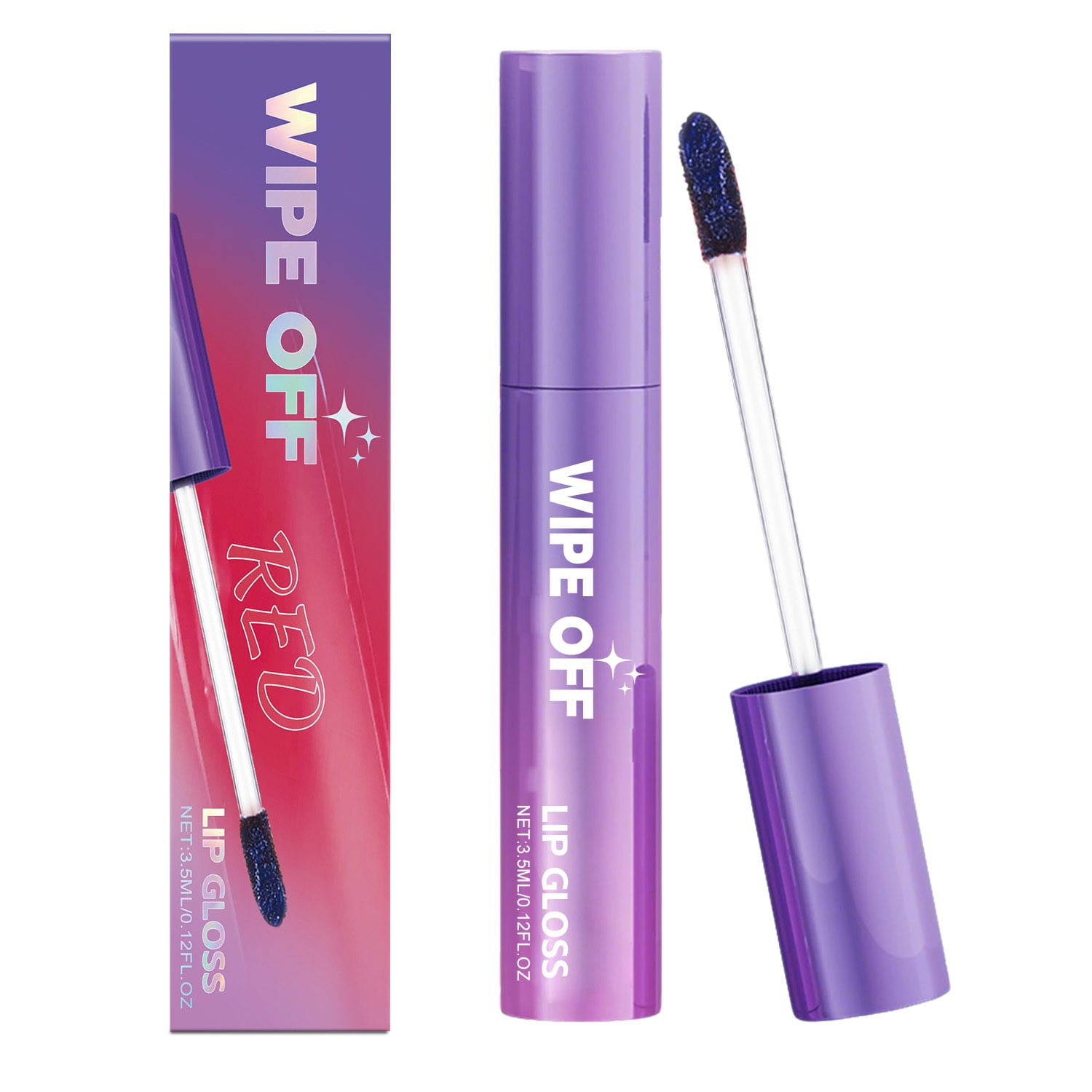
The main exception is a peel-off lip tint. With this type, you apply a thick layer, let it dry, then gently peel or wipe away the film. Always follow the directions on the package sold in the United States, since formulas vary.

Should You Wipe Off Lip Tint After Applying It?
For most lip tints, let the product sit on your lips for the time listed on the label. Once the color develops, you can gently blot the surface with a tissue if your lips feel wet or sticky.
Do not scrub or rub the tint off unless the instructions tell you to. The color comes from pigments and dyes that settle on or slightly stain the top layer of the lips. Rubbing can make the color patchy and may irritate dry or cracked skin.
A simple routine works well:
- Apply a thin, even layer.
- Keep your lips relaxed while the tint sets.
- Wait for the time listed by the brand.
- Blot extra moisture with a tissue if needed.
- Add lip balm or gloss if the product leaves your lips dry.
If the tint looks too dark, remove some color soon after applying it. Use a damp cotton pad or gentle lip-safe cleanser. Once the stain sets, it may take more effort to lighten.
What Is the Difference Between Lip Tint, Lip Stain, and Peel-Off Tint?
The phrase “lip tint” can describe several types of products. The removal step depends on the formula.
| Product type | What you do after applying it | What remains on the lips |
|---|---|---|
| Water-based lip tint | Let it dry; blot only if needed | Sheer color |
| Cream or gel lip tint | Let it set; wipe away excess shine | Soft color with some moisture |
| Lip stain | Let the color develop; do not fully wipe off | Longer-lasting pigment |
| Peel-off lip tint | Let the film dry, then peel it away | A stain left on the lips |
| Glossy tint | Wear it like a gloss; reapply as needed | Shine plus light color |
| Lip tint balm | Leave it on like a balm | Moisture and mild color |
A lip stain changes the appearance of the lips with lasting pigment. A tinted balm mainly feels like a balm and gives light color. A peel-off tint forms a temporary film that you remove after it dries.
Check the instructions if you are unsure. Words such as “peel,” “remove film,” or “leave on for five minutes” usually signal that removal is part of the process. Words such as “apply,” “blend,” and “let dry” usually mean that you leave the color on.

How to Apply Lip Tint Without Making It Patchy
The best way to avoid a patchy result is to start with smooth, clean lips. Dry flakes can hold more pigment than soft areas, which creates dark spots.
1. Smooth dry skin gently
if your lips are flaky, use a soft, damp washcloth. Move it lightly over the lips. Do not scrub hard, especially if the skin is cracked, sore, or bleeding.
You can also apply a plain lip balm first. Let it sit for a few minutes, then wipe away the excess before applying the tint. Too much balm can stop a water-based tint from spreading evenly.
2. Use a small amount
Start with a thin layer. Add more only where you want extra color. A thick layer can dry unevenly and may leave a darker outline.
For a soft look, place small dots in the center of the lips and blend them toward the edges. Work quickly if the product dries fast.
3. Keep the edges clean
Use a clean cotton swab to correct color outside the lip line before the tint sets. After the stain dries, cleanup may be harder.
Avoid licking your lips while the product develops. Saliva can dilute the tint and cause uneven color.
4. Blot instead of wiping
If the tint feels too wet, press a tissue between your lips. Do not drag the tissue across the mouth. Pressing removes surface product while keeping more of the stain in place.
5. Add moisture after the color sets
Some lip tints contain alcohol or other ingredients that may feel drying. Once the color has developed, apply a lip balm or clear gloss if needed.
If your lips sting, burn, swell, or develop a rash, remove the product and stop using it. The U.S. Food and Drug Administration advises consumers to stop using a cosmetic that causes a harmful reaction and report serious problems through its cosmetics reporting system.

What Should You Use to Remove Lip Tint?
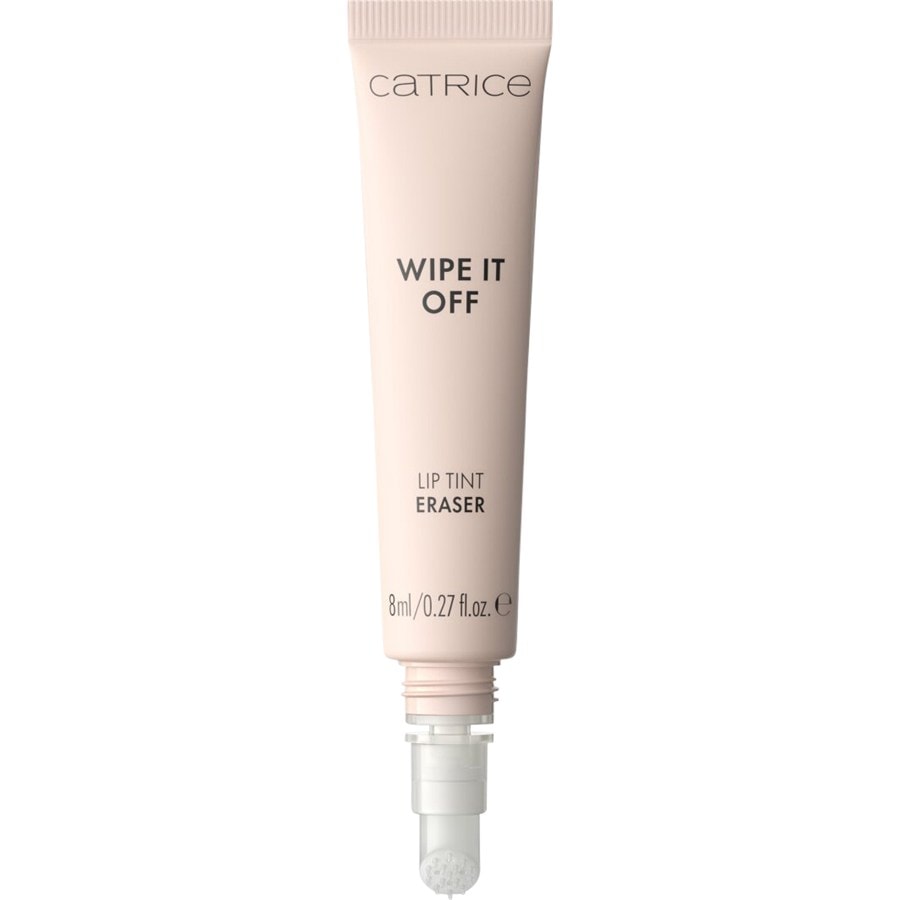
Use the mildest product that removes the tint without causing discomfort. Start with an oil-based cleanser, micellar water made for makeup removal, or a gentle lip makeup remover.
Follow these steps:
- Soak a cotton pad with the remover.
- Hold it on the lips for 10 to 20 seconds.
- Wipe gently in one direction.
- Repeat if color remains.
- Wash away residue with a mild cleanser.
- Apply a plain lip balm.
Do not pull at peeling skin. Do not use rubbing alcohol, hand sanitizer, acetone, or household cleaning products on your lips. These products can irritate the skin and are not made for use in the mouth area.
For a peel-off tint, loosen the edge with clean fingers after the film is fully dry. Pull slowly. If the film sticks or causes pain, wet the lips and remove the remaining product with a gentle cleanser instead.
A faint stain may remain after removal. That is normal for products designed to leave pigment behind. The color should fade with normal washing, eating, drinking, and natural skin shedding.

Why Is Your Lip Tint Not Coming Off?
A lip tint may be difficult to remove because the pigment has already set. Long-wear formulas are designed to resist water, so one quick wipe may not be enough.
Common causes include:
- The tint was left on longer than directed.
- The product is a long-wear stain.
- You used water alone.
- Your lips were dry, so pigment settled into flakes.
- Several layers were applied.
- The product is oil-resistant or transfer-resistant.
Try holding a lip-safe remover on the lips before wiping. This gives the remover time to soften the surface product. Repeat once or twice rather than scrubbing hard.
If the color still remains, leave it alone for a while and keep the lips moisturized. Most stains fade over time. Aggressive rubbing can cause more redness and discomfort than the tint itself.
Seek medical advice if swelling, blistering, severe pain, or a spreading rash continues after you remove the product. These signs may indicate irritation or an allergic reaction rather than normal staining.

Can You Eat and Drink With Lip Tint On?
Yes, most regular lip tints are meant to stay on while you eat and drink. Still, some color may transfer to cups, food, or napkins. Oily foods may also fade the tint faster.
A tint is not the same as a completely transfer-proof product. Avoid assuming that “long-lasting” means it will never move or fade. Product claims differ, and the label gives the best guide for that formula.
If you plan to eat soon after applying a tint, let it set first. Blot excess product before eating. This can reduce the chance of a wet or sticky layer moving onto food.
Do not treat lip tint as a substitute for sunscreen. If you need sun protection, use a lip product labeled with an SPF and follow its reapplication directions. The American Academy of Dermatology recommends protecting exposed skin, including the lips, from ultraviolet radiation.
Common Lip Tint Mistakes to Avoid
Wiping it off too soon
Removing the product right away may leave little color behind. Wait until the setting time has passed unless the tint feels painful or causes a reaction.
Applying it to cracked lips
Tint can collect in cracks and make the color look uneven. Repair the dryness first with a plain lip balm.
Using too many layers
Multiple coats can create a dark border or uneven patches. Build color slowly.
Rubbing to remove stains
Hard rubbing can irritate the lips. Use a remover and let it sit before wiping.
Sharing lip tint
Do not share lip products. Sharing can spread germs, especially when the product touches the mouth.
Ignoring a reaction
Mild dryness may occur with some formulas, but burning, swelling, blisters, or a rash is not a sign that the tint is “working.” Remove it and stop using it.

How Long Should You Leave Lip Tint On?
There is no single correct time for every lip tint. Follow the product label.
As a general guide:
- Regular tint: Leave it on and let it dry.
- Lip stain: Leave it on for the stated setting time, then blot if needed.
- Peel-off tint: Leave it on until the film dries fully, then remove it.
- Tinted balm or gloss: Wear it like a normal lip product and reapply as needed.
A longer setting time does not always create a better result. It may make the color darker, drier, or harder to remove. If you are trying a new product, test a small amount first and use less than you think you need.

Lip Tint FAQ
Do you wipe off lip tint with water?
Water may remove surface product, but it often will not remove a set lip stain. Use a gentle, lip-safe makeup remover if color remains.
Do you wipe off peel-off lip tint?
Yes. Let the film dry as directed, then peel it away gently. The purpose of the product is to leave a stain after the film is removed.
Can you sleep with lip tint on?
It is better to remove makeup before bed. This gives you a chance to clean away pigment, food, and other residue, then apply a plain lip balm.
How do you make lip tint lighter?
Remove it soon after application with a damp cotton pad or makeup remover. If it has already set, use a lip-safe cleanser and avoid harsh scrubbing.
Why does lip tint look darker after I wipe it off?
Some tints continue to develop while they sit on the lips. The remaining stain may also look stronger after the surface film or moisture is gone.

The Bottom Line
For most lip tints, do not wipe the product off completely. Let it set, then blot away extra product if needed. Remove it later with a gentle lip-safe makeup remover.
The key exception is a peel-off lip tint, which should be removed after its film dries. When the label is unclear, check the package directions before applying another layer.
If the product causes burning, swelling, blistering, or a rash, remove it and stop using it. Choose gentle products for dry or sensitive lips, and never use harsh household cleaners or solvents on the mouth.
